Why Your Car Makes Noise When Turning
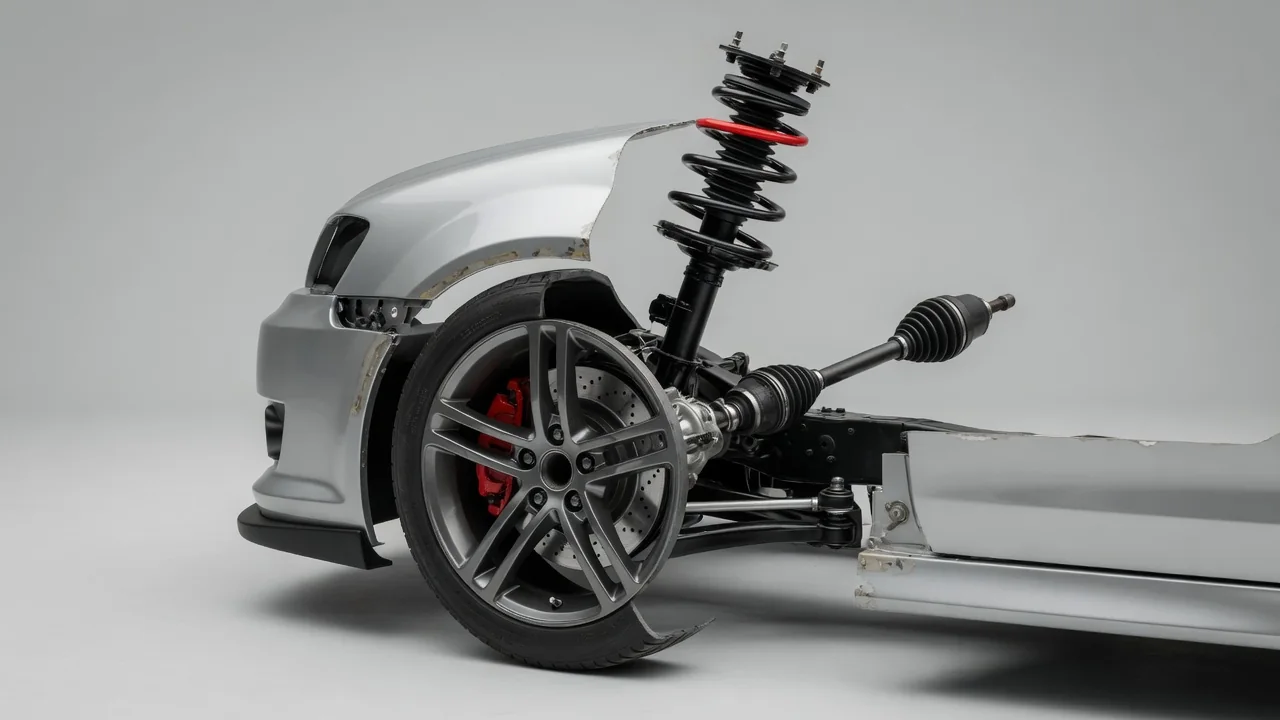
When a car is making noise when turning, the sound is a clue rather than a diagnosis. Cornering noise can come from the steering, suspension, driveline, brakes, or tires. Noting whether the car makes a noise when you turn the wheel at rest, during a parking maneuver, or while turning on the road helps a technician interpret grinding, scraping, crunching, popping, squeaking, or whining later.
What the Sound and Timing Can Tell You
If your car makes noise when turning, treat the sound as a clue that can involve steering, suspension, driveline, brakes, or tires. Sound alone does not identify a failed part. It matters whether the noise happens while moving the steering wheel at a standstill, during a parking maneuver, or while cornering on the road, because those conditions load different components. A car making noise when turning the steering wheel at rest often points toward parts that move with steering rather than wheel rotation.
Before a visit, write down what you have already noticed: the sound, where it seems to come from, road speed, whether the car makes noise when turning left or right, and any vibration. If the noise in the car when turning is unfamiliar, describe it as grinding, scraping, crunching, popping, squeaking, or whining without treating those labels as a diagnosis. A weird noise when turning is still useful when you can say when it starts and whether it follows the wheel or the steering angle.
Grinding and Scraping Around a Turn
A grinding noise when turning on a car can come from brake wear, debris near a rotor, brake dust shield contact, tire rubbing, or wheel bearing damage. Brake grinding noise when turning, including disc brake or brake pad noise, is more informative when it also occurs with braking, follows wheel rotation, or comes with vibration. Rear brake noise when turning still belongs in that report. Those details give a technician context without proving the source.
A wheel bearing can produce a growl or grinding sound under cornering loads, yet that sound does not establish which bearing is faulty. Grinding that appears only while steering or cornering is the relevant pattern; grinding when starting the engine is a separate symptom. If the car makes a scraping noise when turning, or persistent metal-on-metal grinding, especially with altered braking or steering effort, arrange prompt professional attention. Brake grinding noise only when turning still deserves that same careful inspection rather than a parts swap based on the noise alone.
Crunching, Clicking, and Popping From the Front End
Repeated clicking or popping during powered turns can suggest an outer CV joint problem on vehicles equipped with CV axles, without confirming it. Crunching or popping from the front end can also come from strut mount bearings, steering linkage joints, and other suspension joints. A popping sound under load is different from a single clunk over a bump, so the pattern of the sound matters as much as the pitch.
An isolated pop, a repeated rotational sound, and a noise accompanied by binding each need a precise description for the technician. Visible grease near a wheel or an obviously damaged CV boot is an observation you can make without crawling underneath, but boot damage alone does not establish joint failure. When you notice a noise from the car when turning plus torn rubber or flung grease, report that with the turning direction and whether the clicking speeds up with the wheel.
Squeaking as the Steering Wheel Moves
A car making squeaking noise when turning can involve suspension bushings, steering or suspension joints, strut mounts, or steering column trim contact. If the car makes a squeaking noise when turning the steering wheel at a standstill, the source can be parts that move with steering even when the wheels are not rotating. That is different from a squeak that only appears once the car is rolling, which may follow a rotating hub, a brake shield, or a tire.
Temperature, wet weather, and simultaneous suspension movement are useful details from normal driving, without presenting them as proof of a cause. A squeak that appears on a cold morning or after rain still needs inspection of the actual contact or dry joint. Spraying lubricant onto an unidentified source can conceal symptoms or contaminate nearby components, including brakes. An inspection should establish why the car makes noise when you turn the wheel before any product is applied.
Whining and Noise From the Steering Assist
If the car makes a whining noise when turning, hydraulic steering assist may be involved through low fluid, aeration, leaks, or pump trouble, and a noise alone cannot distinguish these causes. Confirm the vehicle's steering system type before discussing fluid: electric power steering does not use a hydraulic steering fluid reservoir. A car making noise when turning the steering wheel with electric assist may still have mechanical or column-related sounds, but those are not fluid-level issues.
Where the owner's manual permits it, a safe visual check for obvious leaks or reservoir level is reasonable; fluid specifications are vehicle dependent. New steering noise accompanied by heavy, uneven, or intermittent assist needs professional diagnosis. Avoid holding the wheel against its steering stop to reproduce a sound, because that can stress the pump or the assist motor. When the car makes noise when you turn the wheel and steering effort changes, stop testing and have the power steering system inspected.
Noise That Happens Only Turning Left or Right
Cornering changes loads and clearances around bearings, tires, brakes, and suspension components, allowing a noise to occur in one direction. A car making noise when turning left only, or a car that makes noise when turning right, can still have a problem on the opposite side because sound travels through the vehicle. Turn direction and the apparent sound location cannot reliably identify the faulty side. Brake noise when turning left or brake noise when turning right should be reported with that same caution.
Report the direction, approximate steering angle, road speed, and any braking or acceleration already associated with the symptom. If the car makes a grinding noise when turning right, or the car wheel makes noise when turning, include whether it happens at parking speeds or during highway cornering. A professional inspection of tire clearance, wheel assemblies, brakes, and steering or suspension play is the safe next step. Do not swerve, run tight-circle tests, or deliberately repeat a noise to force a diagnosis.
When to Stop Driving and What an Inspection Should Resolve
Pull over safely and arrange assistance if the noise comes with loss of steering assist, binding, substantial wheel wobble, impaired braking, or visible tire damage. Why the car makes a noise when you turn becomes urgent in those cases because control can change quickly. A mild intermittent sound still warrants an inspection if it is new, persistent, or worsening; loudness alone does not establish safety. A car making a weird noise when turning can still hide a serious clearance or joint problem.
Limit owner observations to warning lights, visible fluid on the ground, and externally visible damage with the vehicle parked safely; do not lift the car or reach near moving components. A technician uses the reported conditions, a controlled assessment when safe, and component inspection to confirm the source before recommending repairs. If when turning the car makes a noise that is new and unexplained, schedule inspection rather than waiting for the sound to become constant.