Why Your Car Amplifier Overheats and What to Check Safely
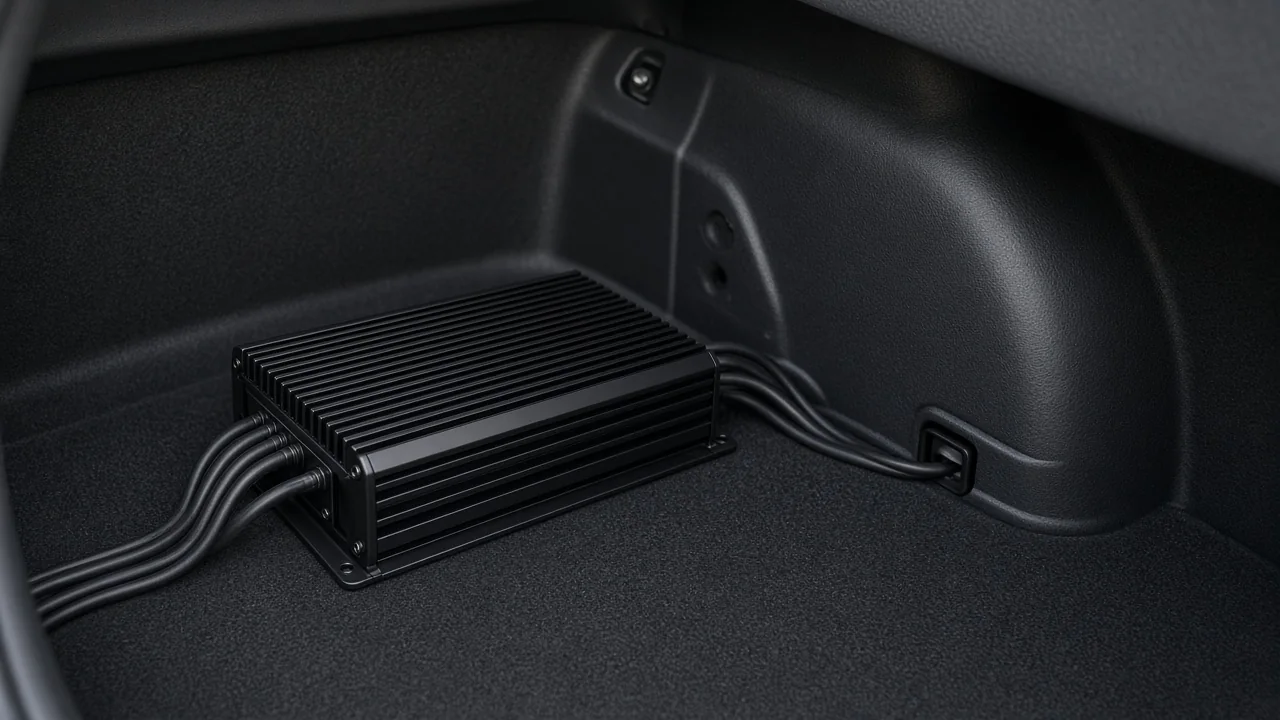
A car amplifier that runs hot can turn music into a guessing game. Heat is a normal byproduct of amplification, but repeated shutdowns, distorted output, or a hot electrical smell mean the system needs attention. You can often narrow the cause by looking at speaker impedance, airflow, gain settings, and wiring. These checks help you decide whether the amp is simply working hard or failing internally.
Recognize Heat Symptoms and Know When to Stop
Amplifiers convert electrical energy into speaker movement, and some waste heat is expected. The concern starts when the amplifier's thermal protection circuit engages repeatedly or audio becomes distorted after the unit warms up. A chassis that feels very warm to the touch is not automatically defective because ambient temperature and playback level influence surface heat. Document when the issue appears, such as after an hour at high volume or only on hot days.
A burning odor, smoke, or melted wire insulation is a clear sign to stop using the system. A protection indicator can point to speaker wiring, low supply voltage, or internal faults, not only excessive heat. Check the amplifier manual to understand what the indicator means for that model. If the amplifier enters protect mode during normal listening, avoid repeatedly restarting it. Allow everything to cool and inspect the straightforward causes before applying power again.
Check Whether the Speaker Load Matches the Amplifier Rating
Every speaker has a nominal impedance, usually 4 ohms or 2 ohms, which describes the electrical load it presents. When multiple speakers or dual voice coils are wired together, the combined impedance changes. An amplifier has minimum load ratings for stereo operation and often a higher minimum when bridged. If the connected speakers fall below that rating, the amplifier works harder to maintain output, increasing electrical stress and heat generation.
Heat alone does not prove an impedance mismatch, because clipping and poor ventilation also raise temperature. Obtain the speaker configuration from installation records or labels on accessible drivers. If the wiring is hidden or the voice coil arrangement is uncertain, a car audio installer can measure the total load safely. Avoid probing live terminals or experimenting with different speaker connections, because a wrong guess can damage the amplifier or create an additional fault.
Inspect Airflow and the Mounting Location
Amplifiers rely on cooling fins and surrounding air to remove heat. A mounting location under a seat, inside a closed panel, or covered by cargo blocks that airflow. Even a loose towel or jacket can be enough to hold heat against the chassis. With the system off and cooled, look at the amplifier's position and note anything resting on or near its ventilation surfaces. The inspection should be visual only, never requiring movement of live wiring.
Manufacturer instructions specify recommended clearance around the unit and acceptable mounting orientations. Some amplifiers can be mounted on any surface, while others require fins to face upward. If the installation does not meet those guidelines, an installer can revise the location or fit a cooling fan. A fan may help in a tight space, but it cannot overcome a severe electrical problem or an unsupported speaker load, so airflow is only one part of the diagnosis.
Review Gain, Bass Boost, and Crossover Settings
Input gain is not a volume control. It matches the amplifier's sensitivity to the signal from the head unit or processor. When gain is set too high, the amplifier can be driven into clipping, which produces distortion and increases average power delivered to the speakers. Bass boost and aggressive equalization add further demand, especially at sustained high volume. These settings can make a healthy amplifier run hot and sound harsh.
Crossover filters protect speakers by limiting the frequencies they receive. If a full-range speaker is sent deep bass, it may distort and cause the amplifier to work harder than intended. There is no universal gain position or crossover frequency for every vehicle, so adjustments should follow the equipment manuals and the connected speaker specifications. If settings are uncertain, a technician with an oscilloscope or distortion detector can set gain cleanly, reducing stress and heat.
Identify Wiring Concerns Without Electrical Disassembly
An amplifier needs enough current from the vehicle's electrical system. Undersized power wire, loose terminals, or a weak ground can cause voltage to drop under load. The amplifier then draws more current to maintain output, which raises temperature and can trigger protect mode. These symptoms do not identify the exact bad connection, but they justify a careful visual check of accessible wiring. Do this with the system off and the amplifier cool.
Look for damaged insulation, discoloration, melted spots, or strain where cables pass through metal. Do not peel back tape, remove panels, or touch conductors. Cable gauge, fuse rating, and ground point must follow the amplifier's installation guide. Bypassing a fuse or increasing its rating is never a safe remedy. If appearance looks normal but overheating continues, a technician can measure voltage at the amplifier terminals under load and test voltage drop across connections and speaker wiring.
Determine When Persistent Overheating Needs Bench Testing
After confirming the speaker load, ventilation, settings, and wiring are all correct, repeated overheating points toward an internal problem. Useful observations include shutdowns at low volume or after only a few minutes of operation. These details do not prove the amplifier is defective, but they guide the technician's diagnosis. Note the amplifier model, speaker configuration, any recent installation changes, and exactly how the protection indicator behaves.
A professional can inspect the amplifier's cooling path, internal power supply, and output components on a bench. This may reveal failing capacitors, shorted output transistors, or a degraded thermal sensor. Depending on the findings, repair or replacement may be recommended. Opening the amplifier yourself is hazardous and bypassing thermal protection defeats a safety system. Only a qualified technician should attempt internal service on a car amplifier.