Why Wheel Bearings Go Bad and How Long They Should Last
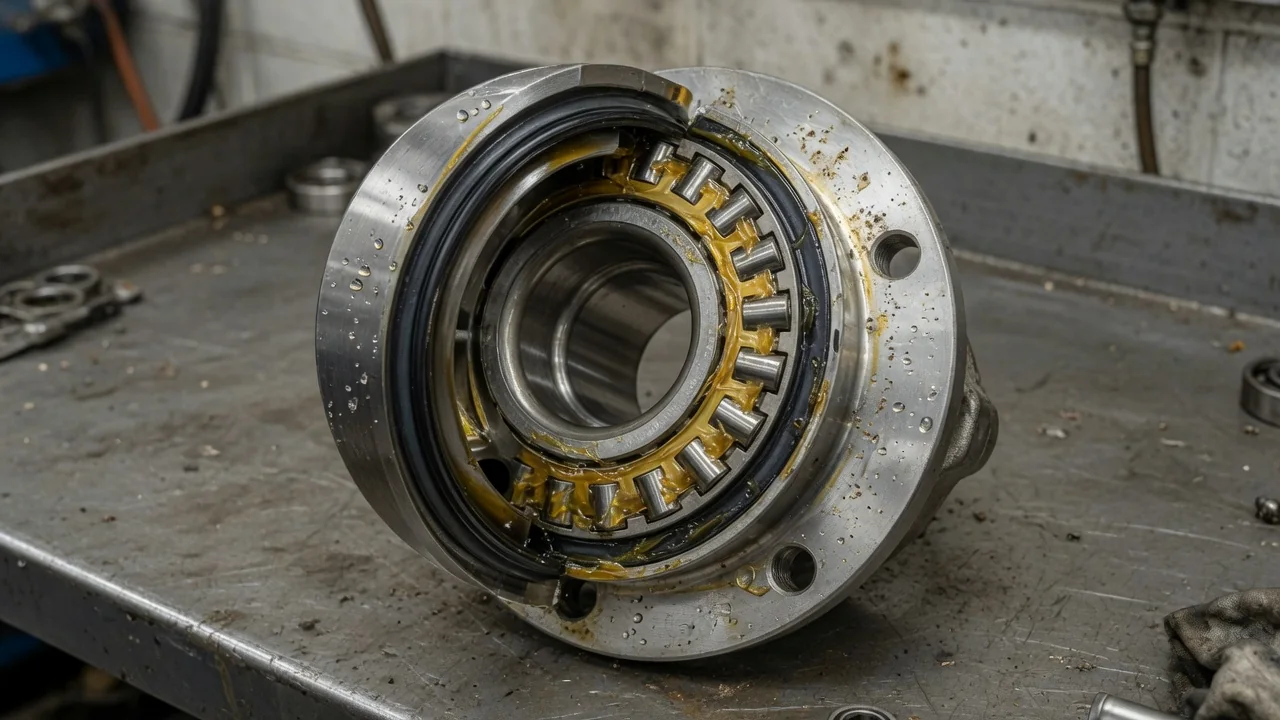
Wheel bearings can last a long time when they stay properly loaded, sealed, and lubricated, yet they can also fail early after an impact, water intrusion, seal damage, or a poor installation. How long a wheel bearing lasts is not a single mileage number. Design, road conditions, vehicle load, and service history all shape how a wheel bearing goes bad and how long it should last in real use.
How Long a Wheel Bearing Can Reasonably Last
A wheel bearing can serve for many tens of thousands of miles, and some assemblies continue well beyond 100,000 miles, but that range is an observation rather than a replacement deadline or a guarantee. How long a wheel bearing should last depends on bearing design, road quality, moisture exposure, vehicle use, and how the hub was installed. A sealed wheel hub assembly that never sees a hard curb strike and stays within intended load may outlast one that works in deep water, heavy cargo, or repeated pothole hits.
Age and odometer readings alone cannot establish remaining bearing life. Two vehicles with similar mileage can have very different internal wear if one tows often, the other stays light, or if one hub was pressed or torqued incorrectly. Maintenance needs also vary with the vehicle and the bearing design. Some hubs are sealed for life, while other layouts call for inspection or lubrication only as the manufacturer specifies. Follow that guidance rather than assuming a universal service interval that does not exist for every car.
How Wear Inside a Bearing Develops Into Failure
Inside a wheel bearing, rolling elements and bearing races share repeated contact loads as the wheel turns. Over time those surfaces can develop bearing fatigue, with microscopic pits that grow as metal flexes under load. What causes a wheel bearing to go bad is often this progressive surface damage, not a single sudden event. Inadequate lubrication or lubricant contamination from dirt, water, or degraded grease raises friction and heat, which roughens the contact path and accelerates the same fatigue process.
Damage may progress inside the assembly without being visible from outside. A hub can look intact while races are already pitted and the grease is darkened or thinned. Mileage alone cannot identify the underlying cause of a failed bearing, because the same odometer reading can hide impact brinelling, dry running after seal damage, or ordinary long-term fatigue. How a wheel bearing goes bad is therefore a materials and lubrication story first, and a calendar or mile-count story only after those conditions are known.
How Potholes and Curb Impacts Damage Bearings
A severe pothole, curb, or collision can send a shock through the tire, wheel, and hub into the bearing. That force can dent races or rolling elements, a form of brinelling that later shows as roughness as the damaged spots keep rolling. Why a wheel bearing goes bad after a hit is not always obvious at the scene. Internal damage from an impact may develop gradually, with the assembly still turning for miles before play, heat, or noise becomes hard to ignore.
Useful history to share with a technician includes a recent pothole strike, curb contact, or collision, plus whether the wheel was later remounted or the vehicle was driven with a bent rim. An impact does not prove bearing damage. The same event can also injure the tire, wheel, and suspension, so inspection should consider those parts rather than treating the hub as the only suspect. Confirming what actually happened inside the bearing still requires a hands-on assessment of the assembly, not the story of the hit alone.
Why Water Intrusion and Damaged Seals Shorten Bearing Life
Seals exist to retain lubricant and keep moisture and road grit out of the bearing. When a seal is cut, crushed, or aged until it no longer wipes, water intrusion and grit can reach the rolling path. Contaminated grease loses film strength, metal surfaces corrode, and heat rises as the lubricant can no longer separate the races from the rolling elements. Seal damage is therefore a common reason a bearing that still had plenty of miles on the odometer begins to fail.
Standing water, deep flooding, and a pressure washer aimed at hub seals can force moisture past lips that ordinary rain usually does not defeat. That does not mean everyday wet-weather driving will ruin a sound seal. External appearance also cannot confirm the condition of grease or internal bearing surfaces. A dry, rusty looking hub face may still hold clean lubricant, while a clean outer shell can hide emulsified grease after water has already entered. Inspection of the interior is what reveals whether contamination has started the failure.
How Installation Errors and Vehicle Loads Contribute
Installation damage can shorten life as surely as road abuse. Hammering or pressing on the wrong race, nicking a seal, or leaving the assembly cocked in the knuckle can start brinelling or leak paths before the vehicle even leaves the shop. Incorrect axle nut torque, whether too loose or too tight, can change preload so the rolling elements either skid or run under excess load. Installation requirements vary by assembly and must follow vehicle-specific procedures rather than a generic tightening habit.
Vehicle load also matters. Overloading, frequent towing beyond intended use, and wheel or tire modifications that change offset, diameter, or unsprung mass can raise bearing stresses and alter how those loads sit on the races. What causes a bad wheel bearing in those cases is extra or poorly directed force, not simply age. If a bearing fails soon after replacement, investigate installation, whether the part matches the application, and whether surrounding hub, axle, or knuckle damage remains. Early failure is a reason to look further, not automatic proof of a defective part or a careless installer.
What Owners Can Do to Support Bearing Life
Owners can support service life by staying within the vehicle's load limits, steering around avoidable potholes and curbs when possible, and keeping concentrated pressure-washer spray away from hub seals. Sealed hub bearings generally do not provide for routine owner greasing, so adding grease through a dust cap or a damaged seal is not a substitute for the design. If the vehicle uses a serviceable bearing, only the specified maintenance applies. Ordinary washing and wet roads are not the same as forcing water at the seal lip.
Recording replacement mileage, impact history, water exposure, and wheel modifications gives a technician useful context when judging remaining life and what causes a wheel bearing to go bad on that vehicle. New wheel-area noise, looseness, or a change in steering or braking feel is a reason for prompt inspection, not a signal to keep driving until the hub seizes. That check is about confirming the assembly and related parts, not about diagnosing every possible noise or estimating a repair bill. Early attention protects the hub, axle, and surrounding hardware from extra damage.