Why Was My Car Towed? Reasons, Release Steps, and Your Rights
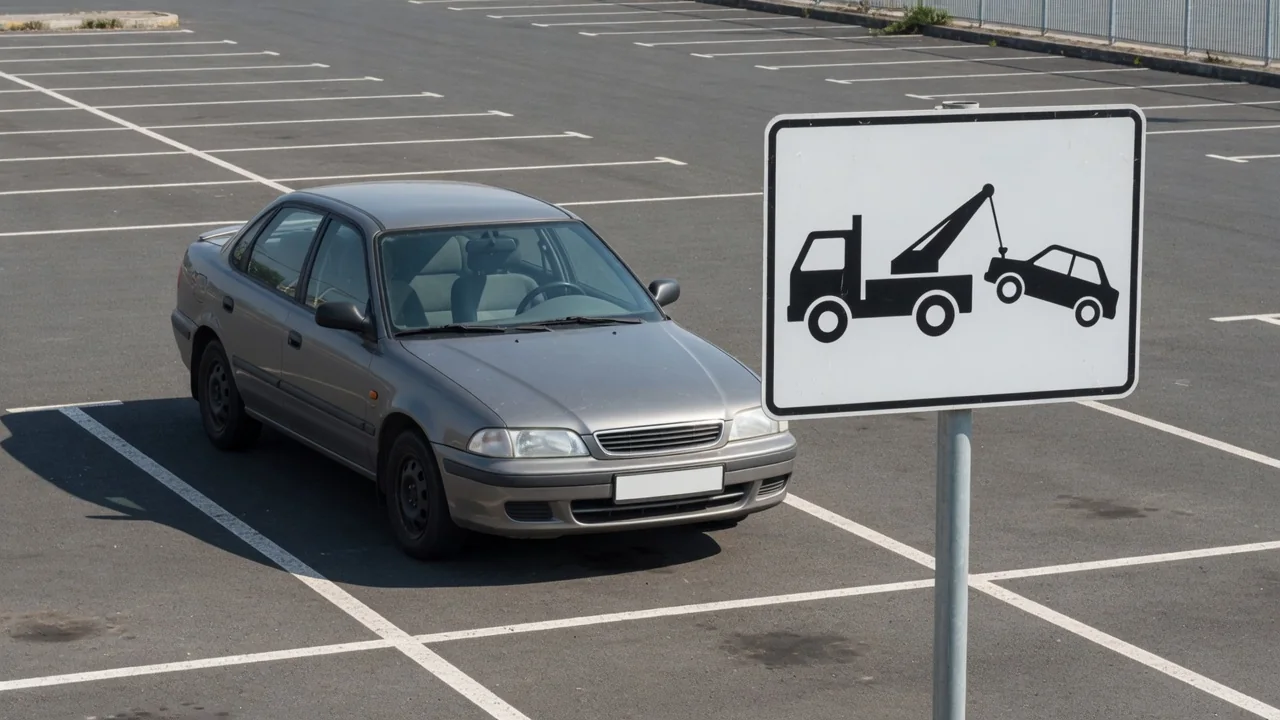
An empty space where your vehicle should be is alarming, and towing my car is one of several explanations. A missing vehicle may have been towed, repossessed, or taken without permission, so confirmation comes first. Common reasons for towing a car include parking restrictions, private-property rules, police-ordered removal, and lender repossession. Laws about towing a car vary, so identify who authorized the removal, locate the impound lot, and review notice, fees, and release.
Common Reasons Your Car May Have Been Towed
Several reasons for towing a car can apply, but each still needs applicable authority. Restricted parking, a fire lane, a hydrant, a loading zone, or a posted no-parking period can support removal when the restriction is in force. Blocking a driveway, dumpster, or emergency access can also trigger a tow. Expired permits, a disabled vehicle left as a traffic hazard, and suspected abandonment are other common grounds. Reconstruct where you parked, what signs applied, and whether a temporary event or construction rule changed the usual pattern.
A missing car alone does not establish whether it was towed, repossessed, or stolen. Check nearby car towing signs for operator names and phone numbers, then call and ask whether they hold your vehicle. Local tow-locator systems and police nonemergency lines can confirm a police-ordered tow and the impound lot. If no tow record exists, contact the lender about repossession and file a police report if the vehicle remains unaccounted for.
Private-Property Tows and Tow-Away Signs
Towing a car on private property is often arranged by an owner or authorized property manager under local law and the lot's parking rules. Apartment complexes, shopping centers, and workplaces commonly use those rules for reserved spaces, visitor limits, and overnight bans. Property ownership alone does not automatically authorize every removal; the requester generally needs proper tow authorization and a lawful basis. If you were a guest, ask whether a permit, guest log, or time limit applied when the vehicle was taken off the lot.
A posted car towing sign is useful evidence even when it is not the whole legal test. Photograph placement, lighting, restricted hours, permit requirements, the named operator, and contact information. Sign, authorization, and recordkeeping requirements vary, so a missing posted notice does not automatically settle whether towing a car off private property was lawful. Compare the sign with what the operator and property office claim, and keep any parking contract, permit, or visitor pass.
Police-Ordered Tows and Repossession
Police car towing can follow a traffic obstruction, crash, arrest-related vehicle custody, or an evidentiary hold, subject to local law. Officers may also order removal from a snow emergency route or a disabled vehicle in a travel lane. Ask for the ordering agency, incident number, vehicle location, and any release hold before you travel to an impound lot. A hold can delay vehicle release even after you prove ownership, so confirm whether police or court approval is required.
Repo car towing concerns a lender's asserted rights under the financing agreement and applicable law, not a parking citation. Confirm the claim directly with the lender rather than relying only on a tow operator's statement. Ask how to request personal belongings, what identification is required, and whether reinstatement or payoff applies. Access is not guaranteed everywhere, and some lots will not open a vehicle without lender approval. Get the storage location in writing and avoid confronting anyone at the scene.
Notice Requirements, Warning Stickers, and Markings
A towing company can sometimes tow your car without personal notice. Advance warning to the owner is not required for every tow; posted warnings, chalk marks, individual notices, waiting periods, and later notifications depend on the location and circumstances. Treat a towing sticker on your car as evidence. Record the issuer, stated violation, date, deadline, contact details, and vehicle identification before anyone disturbs it. If the marker names an operator, call that number to ask whether a tow is already dispatched or still pending.
Photograph the sticker or marking in place before you try to get a towing marker off your car, because removing a warning does not cancel the alleged violation. Address the stated problem promptly, such as leaving a restricted space or updating a permit. After documentation, clean gently with a product approved for the affected glass or paint and follow label directions. Avoid scraping paint, harsh solvents, and anything that can damage window tint or defroster elements.
What to Do if You Return While the Tow Is Underway
If you return while a tow is underway, approach only when the scene is safe, identify yourself calmly, and ask whether the vehicle can be released immediately. Stopping a tow truck from towing a car often depends on whether the truck has hooked, lifted, or already left, and on local rules rather than a universal right. Ask for identification, the tow authorization, and the stated reason. Do not enter an attached vehicle, touch towing equipment, or block the truck.
Release obligations and a drop fee, if any, can depend on local law about towing a car and the stage of the hookup; there is no nationwide right to a free on-the-spot return. If you pay to stop the tow, request an itemized receipt showing the operator, authorization source, and every charge. Photograph the truck, plate, and your vehicle's position. If the scene becomes threatening, leave and contact emergency services rather than physically intervening.
Locate the Car and Arrange Its Release
Once you confirm a tow, verify the impound lot address, release hours, required identification, proof of ownership or authorization, accepted payment methods, and any police or lender approval needed for vehicle release. Bring registration, photo ID matching the title or lease, and insurance if asked. An authorized driver who is not the owner may need a letter or company credentials. Call ahead because some lots close early, require cash, or stop paperwork near closing time.
Ask for an itemized breakdown of towing, storage charges, and other add-ons, and ask when additional charges begin to accrue. Prompt contact can limit storage because daily rates often continue until the vehicle leaves. Payment, release paperwork, and later dispute rights must be checked under local rules, since paying does not always waive a challenge. Photograph the vehicle's condition before leaving, report apparent damage in writing, and arrange transport if the car cannot be driven.
Assess a Suspected Wrongful Tow and Preserve Your Claim
Towing is not automatically illegal; it can be lawful when authorized and conducted under applicable rules. Before alleging illegal towing of a car, assess location, reason, authorization, notice, fees, and release. Whether towing a car is illegal in a given case depends on those facts, not on surprise or inconvenience alone. Preserve parking permission, signs, timestamps, warning notices, photographs, tow records, receipts, and communications. Claims of illegally towing a car are stronger when records and signs do not match the stated reason.
Possible remedies can include a tow hearing, a complaint to a towing regulator or consumer protection office, small claims proceedings, or legal advice; check filing deadlines promptly. If you think a towing company stole your car, verify whether an authorized tow or repossession occurred, then contact police if the vehicle remains unaccounted for or evidence suggests theft. A disputed tow does not guarantee reimbursement. Document losses and ask how retrieving or paying for the vehicle may affect available remedies.