Why Performance Brakes Squeal: Brembo, Carbon Ceramic and Sport Packages
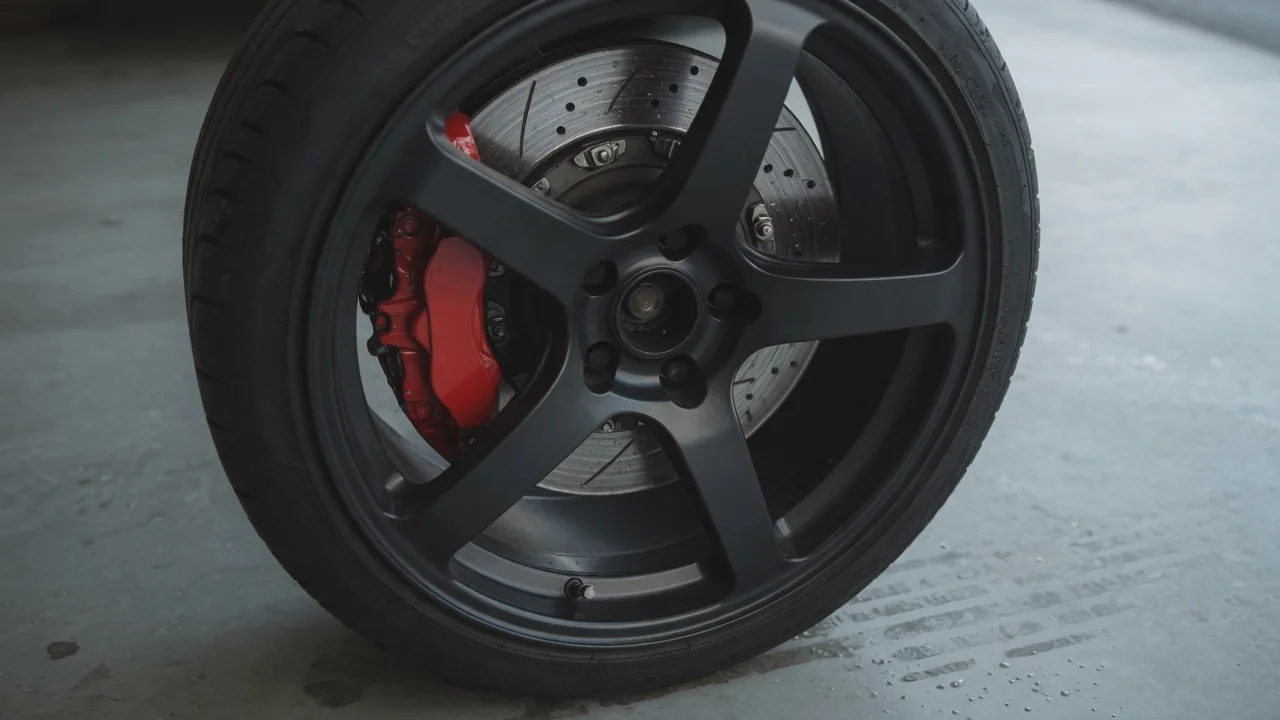
High-performance brake packages, such as those from Brembo or carbon ceramic setups, often produce noise that surprises drivers accustomed to standard brakes. Squeals, chirps, and even grinding sounds can occur under specific conditions—cold starts, light braking, or moisture—without indicating a defect. Yet some noises signal real wear or failure. For owners of models like the Nissan 350Z or Lexus GS 350 F Sport, distinguishing normal behavior from warning signs requires understanding the hardware, pad compounds, and operating conditions. This article explains why these systems sound the way they do and when to seek professional help.
Why Multi-Piston Performance Calipers Like Brembo Can Squeal
Brake squeal is a high-frequency vibration generated when the pad, caliper, and rotor interact. In multi-piston performance calipers like many Brembo designs, the assembly is stiffer than a typical sliding caliper, and the large rotor acts like a sounding board. This stiffness improves brake feel and reduces flex during hard stops, but it also transmits vibrations more readily. Everyday low-speed stops—such as creeping in traffic—can excite the pads at a frequency that the mass of the rotor reinforces, producing an audible squeal that fades as braking force increases.
Performance pad compounds are formulated for high friction at elevated temperatures. They contain metallic or ceramic particles that bite aggressively, but when cold or only lightly used, these compounds can vibrate against the rotor surface instead of bedding smoothly. Cold mornings, humidity, and long periods of gentle braking can promote a glaze on the pad face, which increases noise. Anti-squeal shims, pad chamfers, and fresh hardware reduce vibration, but their condition depends on previous service. Brembo supplies many different systems—from track-oriented calipers to OEM sport packages—so noise depends heavily on the vehicle application and the specific friction material fitted, not the brand alone.
Carbon Ceramic Brake Noise: What Is Typical When Cold, Damp or Lightly Used
Carbon ceramic rotors are extremely hard and thermally stable, but they interact with their matched pads in a way that can generate high-pitched squeaks or chirps at low speeds and low temperatures. Unlike iron rotors, which absorb some vibration energy, the rigid ceramic matrix reflects it back into the pad and caliper. Until the system reaches normal operating temperature, the friction couple may be stiff and noisy. In stop-and-go traffic or parking maneuvers, where brakes remain cool and braking force is minimal, owners often report intermittent squeals that disappear once the brakes are used more firmly.
A carbon ceramic brake system that rarely gets warm—common in daily commuting—can sound noticeably different from one that is regularly worked on a spirited drive or track session. Light use prevents the pads from transferring an even friction layer onto the rotor, and moisture can cause a thin layer of oxidation that produces a scraping sound for the first few stops. Owners should not judge rotor wear by eye alone, as these rotors wear by weight loss and micro-cracking rather than obvious thinning. Some squeaking is normal, but a persistent grinding, scraping, or a sudden louder sound warrants a dealer or specialist inspection using manufacturer-specified pads and measurement procedures. Check the owner's manual for model-specific guidance.
Nissan 350Z Brake Noise: Reading the Sounds on an Older Sports Coupe
The Nissan 350Z was offered with multiple brake packages depending on year and trim, including standard single-piston calipers and optional Brembo four-piston front calipers. Because aftermarket modifications and pad swaps are common on this older sports coupe, a 350Z brake noise may stem from mismatched components. The first step is to confirm the car's original equipment through build records or a dealer VIN check, then compare that to what is currently installed. Age-related corrosion, worn caliper hardware, and previous owners' choice of aggressive or cheap pads can all alter the sound signature significantly.
Common sounds on a 350Z can be interpreted in general terms. A light squeal when stopping gently often points to pad compound glazing or lack of anti-squeal shims. A high-pitched scraping that occurs even without braking may be a pad wear indicator contacting the rotor, signaling that pad replacement is due. A deep grinding usually means metal-to-metal contact, while a clunk when applying brakes could be a loose caliper bolt or worn suspension bushing. Noise from nearby parts, such as a loose heat shield or failing wheel bearing, can mimic brake problems. Since specific model defects or recalls should not be assumed, an inspection is the safest way to pinpoint the cause.
Lexus GS 350 F Sport Brake Noise: What Owners Should Check First
Lexus GS 350 F Sport models often come with a sport-tuned brake package, but specifications vary by model year and options. Instead of assuming a particular rotor size or pad compound, owners should check their window sticker, owner's manual, or a dealer printout using the VIN. Sport-oriented packages generally use larger rotors for better heat capacity and pads with higher friction for firm, responsive stops. The trade-off is that these setups can be more prone to low-speed squeal in daily driving, especially when the brakes are cold or the car is driven gently for long periods.
Owners can gather useful information before visiting a shop. Note when the noise occurs: only when braking, all the time, while turning, or after the car sits overnight. Record the outside temperature, weather conditions, and whether the sound changes as the brakes warm up. A noise that appears during low-speed parking maneuvers but fades after a few firm stops is different from one that gets louder with each stop. Bring these notes to a Lexus dealer or brake specialist and ask about pad condition, hardware such as shims and springs, and any service information applicable to that VIN. Avoid relying on rumors of technical service bulletins or known issues; only a dealer can confirm what applies to a specific car.
Normal Squeal and Warning Sounds: Grinding, Scraping and Pulsation
A light, occasional squeal that occurs mainly when the brakes are cold or damp and fades once the brakes are warmed up is often considered normal for high-performance pads. In contrast, a steady squeal that doesn't improve, a sound that gets progressively louder, or a harsh metal-on-metal grind indicates a problem. Pad wear indicators are designed to produce a high-pitched scraping sound when the friction material is nearly gone; the sound may disappear when you press the brake pedal firmly, but that is a false reassurance. Any metal-to-metal contact means immediate service is needed.
Brake noise is only one symptom. Warning signs that accompany or replace noise include a longer stopping distance, a soft or sinking brake pedal, the car pulling to one side during braking, vibration or pulsation in the pedal or steering wheel, a burning smell after driving, or a brake warning light on the dashboard. These can occur alongside a normal squeal, so noise alone cannot prove the brakes are healthy. Pulsation often indicates uneven rotor wear or pad deposits, while a soft pedal can point to air in the brake fluid or a hydraulic problem. Because multiple faults can coexist, a thorough inspection is essential whenever these signs appear.
Safe Checks at Home and When to Book a Professional Brake Inspection
Several observations can be made safely without tools or lifting the car. Walk around the vehicle and note the pattern of noise: when it starts, whether it changes with pedal pressure, and if it appears only in reverse or while turning. Look through the wheel spokes for obvious damage such as a loose caliper, a cracked rotor surface, or a heat shield rubbing against the rotor. Monitor the dashboard for brake warning lights, and check under the car for fluid leaks after it has been parked. These details help a technician narrow the cause quickly, but they do not replace a hands-on inspection.
Do not disassemble brakes, jack up the car, or perform hard test stops on public roads to diagnose a noise. Brake systems are safety-critical, and improper disassembly can damage components or leave the car unsafe. A professional inspection generally includes measuring pad thickness, checking rotor condition for scoring or cracks, testing caliper piston movement, and examining hardware like anti-rattle clips and shims. If you hear grinding, notice a change in pedal feel, see a fluid leak, or have a brake warning light on, stop driving immediately and have the car towed to a shop. Keeping records of pad type and any brake work performed helps technicians identify mismatched parts or previous service errors.