Why Is My Tire Slowly Leaking Air? Common Causes and How to Find the Leak
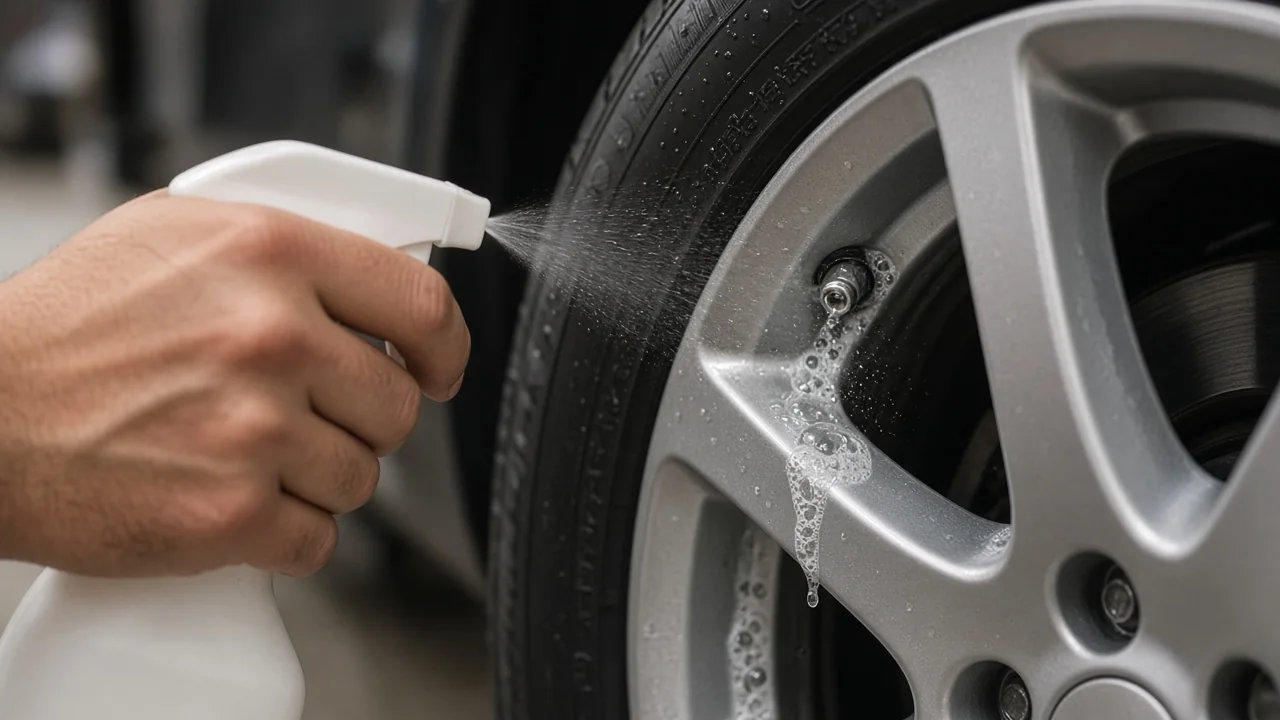
A car tire leaking air slowly can be puzzling: you fill it one day, and a few days later it’s low again. This gradual loss often stems from a failing valve stem, a tiny puncture, or a poor seal between the tire and wheel. Detecting the cause early prevents heat buildup, uneven wear, and blowouts. Whether spelled "tire" or "tyre," the symptoms and checks are the same.
Signs Your Car Tire Is Leaking Air and Why It Matters
You may notice one tire consistently reads lower than the others when you check pressures, or the tire pressure warning light appears every few days even after topping off. A tire that looks visibly soft after the car sits overnight also points to a slow leak. Cold weather can lower readings, but if only one tire drops while others stay steady, that’s not a normal seasonal change—air is escaping somewhere.
Always check pressure when the tires are cold, before driving more than a mile, and compare the reading to the placard on the driver’s door jamb. Driving on an underinflated tire builds excessive heat through sidewall flexing, which can lead to internal damage that is invisible from outside. It also causes uneven tread wear, weaker handling, reduced fuel economy, and can eventually result in sudden tire failure.
Air Leaking From the Valve Stem or Valve Core
Rubber snap-in valve stems age with exposure to ozone, sunlight, and road chemicals. Over time they can develop tiny cracks at the base where the stem meets the wheel. These cracks allow air to seep out slowly, often when the stem is flexed at speed. A loose or dirty valve core inside the stem can also leak; the core is a small spring-loaded seal that can be tightened or replaced, but a missing valve cap allows grit and moisture to reach it.
If your vehicle has tire pressure monitoring sensors, the sensor is often attached to the valve stem. The stem may be metal or rubber, with grommets, nuts, and seals that can corrode and leak. Because designs vary by make and model, no replacement stem or sensor is universally compatible. Replacing a valve stem usually requires breaking the tire bead and removing the tire from the wheel, a job best left to a tire shop with proper equipment.
Nails, Screws and Other Tread Punctures
A nail or screw in the tread can produce a very slow leak because the object partly plugs the hole it made. Air escapes around the shank, but the rubber grips it, so the loss may take days or weeks to show. If you find such an object embedded in the tire, leave it in place and drive carefully to a repair shop. Pulling it out can turn a slow leak into a rapid deflation.
Whether a puncture is repairable depends mainly on its location. Punctures in the central tread area can often be safely repaired with a patch-plug combination, which seals the inner liner and fills the hole. Punctures in the sidewall or shoulder are generally not repairable because those areas flex too much. A plug-only kit inserted from the outside is a temporary roadside fix; a proper repair requires dismounting the tire and inspecting the inside.
Bead Seal Leaks, Corroded Rims and Wheel Damage
The tire bead is the reinforced edge of the tire that seats tightly against the wheel rim. Air can escape at this junction if the bead is damaged, if the rim is bent, or if corrosion builds up on the bead seat. On alloy wheels, especially in regions where roads are salted in winter, the clearcoat can break down and allow oxidation. This crusty layer lifts the tire slightly and creates a path for air.
A hard impact from a pothole or curb can bend the rim flange or crack the wheel. These defects may be invisible without removing the tire, yet they prevent the bead from sealing uniformly. Fixing a bead leak means dismounting the tire, cleaning the bead seat down to bare metal, and checking the wheel for straightness. Breaking the bead at home is unsafe and can damage both tire and wheel; leave it to a shop.
How to Find a Slow Tire Leak Safely
Start by inflating the suspect tire to the recommended pressure on the door placard, then recheck it after several hours or overnight with an accurate gauge. If it drops more than a couple of psi in a day, you have a genuine leak. For a more immediate test, mix soapy water in a spray bottle and coat the valve stem, valve core with the cap off, the tread, and the bead area where rubber meets metal. Escaping air forms bubbles that grow slowly.
Inspect the tread closely for nails, screws, cuts, or embedded debris. Rotate the tire slowly if the car can be moved safely, checking the entire circumference. Some leaks are too small to bubble at rest or only occur when the tire is loaded and turning, especially on the inner bead. If you cannot find the source, a tire shop can use an immersion dunk tank and can remove the tire to inspect the inside for punctures or liner damage.
When to Stop Driving and Get the Tire Professionally Checked
Stop driving and seek professional help if the tire loses air quickly, appears nearly flat, or shows a visible bulge, sidewall cut, exposed cords, or impact damage. Driving on a severely underinflated tire can cause internal damage that is not visible from outside, even if the tire looks fine after reinflation. The tire may fail later at highway speed, so when in doubt, install the spare or have the vehicle towed.
If you used an aerosol sealant to get home, tell the shop before they dismount the tire; the sealant can coat the inside and may interfere with sensor readings or make a proper patch-plug repair difficult. Also, aged or weathered tires can develop tiny cracks in the tread grooves and sidewall that leak slowly. Repeatedly topping up without finding the cause can hide a dangerous condition, so a professional inspection is the safest next step.