Why Is My Electric Car Not Charging at Home? Common Causes and Fixes
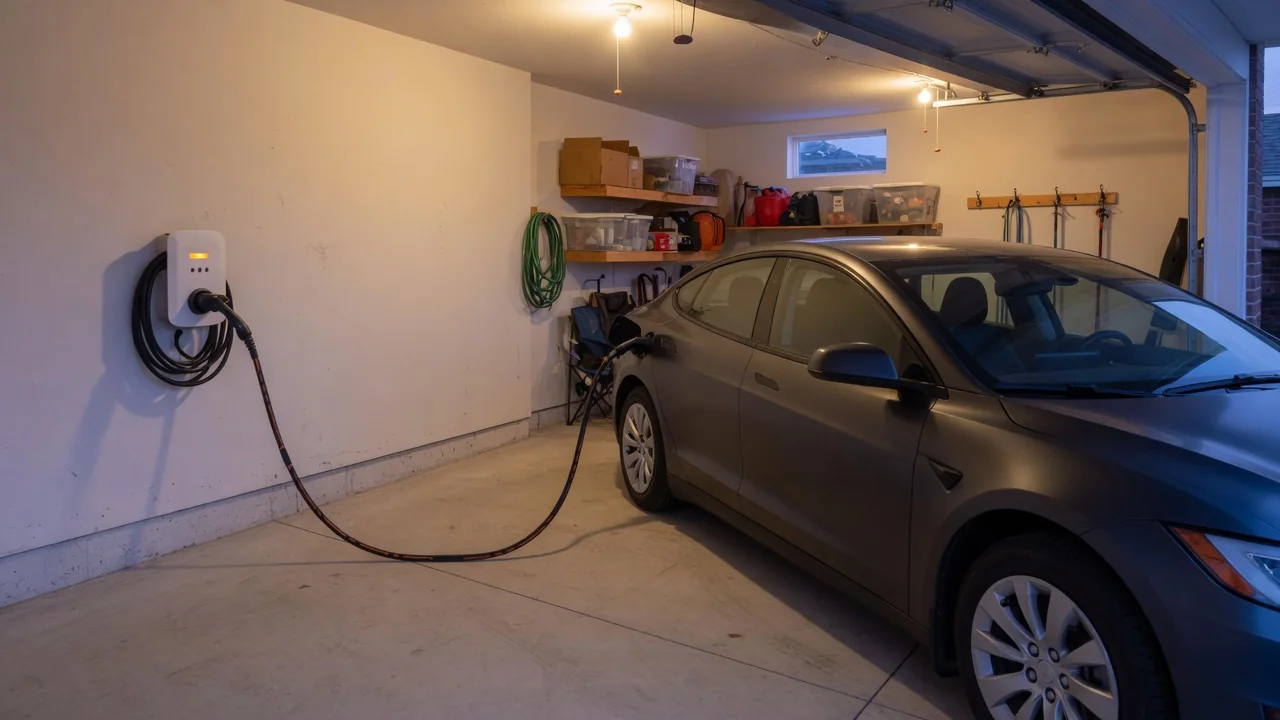
Your electric car is plugged in at home, but it isn't charging—or it stopped charging after a while. This is a frustrating situation that often has a simple explanation, such as a tripped circuit breaker or a scheduled charging delay. Understanding the difference between a charge that never starts and one that stops mid-session helps you check the right components first. This guide walks through common causes and practical fixes without requiring specialized tools.
First Checks When Your Electric Car Is Not Charging at Home
First, determine whether charging never began or started and then stopped. If the dashboard never shows a charge indicator and the wall charger remains idle, the problem is likely a power supply issue, a connection problem, or a charge schedule blocking the session. If charging began and then stopped after minutes or hours, look for overheating, breaker trips, or a charge limit being reached. Watching the sequence when you plug in can distinguish these two situations before you change any settings.
Make safe observations before touching anything: check the dashboard charge indicator, the color of the charge port light, the wall charger status lights, and any messages in the vehicle or charger app. Each of these gives a clue about where the charging process stopped. Also check whether other devices on the same circuit or elsewhere in the house lost power—if your kitchen lights are out too, the issue is a home electrical supply problem, not the car.
Outlet, Circuit Breaker and GFCI Trips That Stop Home Charging
A tripped circuit breaker or GFCI outlet is a very common reason charging stops, especially during long sessions at high current on a Level 2 charger. Breakers trip when the circuit is overloaded or a fault is detected; GFCI outlets trip to protect against ground faults, which can happen with outdoor or garage receptacles. You can safely check the breaker position in the panel and the reset button on a GFCI outlet without opening any covers. If the breaker is in the middle or off position, switch it fully off and then on.
If you reset a breaker or GFCI and charging starts again, watch for repeated trips. Frequent tripping is a warning sign of an overloaded circuit, a loose connection, or a developing wiring fault, and continuing to reset it can damage the charger or create a fire hazard. Stop using the outlet immediately if you notice a warm or discolored outlet, a burning smell, buzzing sounds, or melted plug parts. Also follow the vehicle and charger manuals regarding extension cords and plug adapters—using the wrong type can cause overheating and tripping.
Charging Cable, Connector and Wall Charger Status Lights
Visually inspect the charging cable and connector for damage, debris, or moisture, but always do this with the unit unplugged. Look for cuts, kinks, or exposed wires in the cable; check the connector pins for dirt, corrosion, or water. Even a small amount of moisture can prevent a proper connection or cause a ground fault. If the connector is not fully latched into the charge port, charging will not start or may stop intermittently. Push it in firmly until it clicks and locks.
Wall charger fault lights and error codes are manufacturer-specific. A red or flashing light pattern means different things on different brands, so check your charger's manual before interpreting any indicator. A damaged cable or charger should not be used—it can be a shock or fire hazard—and should be assessed by the manufacturer or a qualified installer. If you have access to another known-good charging point, such as a public Level 2 station or a friend's home charger, try charging there to help separate a charger fault from a vehicle issue.
Charge Schedules, Charge Limits and App Settings That Block Charging
A scheduled or off-peak charging setting can make the car look like it is not charging when plugged in. Many EVs and smart chargers allow you to set a time window for charging, often to take advantage of lower electricity rates. If you plug in outside that window, the car or charger waits silently until the scheduled time. Check the vehicle's charge settings or the charger's app for any active schedule. Similarly, a charge limit that has already been reached causes the car to stop or refuse to charge; if the battery is at 80% and the limit is 80%, no charging will occur.
Charger apps, utility demand-response programs, and smart charger settings can pause or delay sessions without obvious indication. Some utilities can interrupt charging during peak grid demand. App connection problems or pending software updates can also affect scheduling, so check both the vehicle and charger apps for status messages or errors. To test whether a schedule is the cause, temporarily set the vehicle to charge immediately if the option is available. If charging starts right away, you have found the issue.
Common Electric Car Charging Problems on the Vehicle Side
A very cold or hot battery can slow or delay charging, and this is often normal behavior rather than a fault. Lithium-ion batteries have temperature limits for safe charging; in extreme cold, the battery management system may warm the pack before accepting power, which can take time. In extreme heat, charging may be slowed to protect the battery. If you charge in an unheated garage in winter, give the car time to condition the battery. This is not usually a malfunction.
Charge port lock issues can also prevent charging. Many EVs lock the connector to the car while charging; if the lock mechanism fails or the release is not working properly, the car may not start charging. The owner's manual explains the normal locking and release behavior for your model. Dashboard warnings about the charging system or high-voltage system must be interpreted using the specific vehicle's documentation, not generic definitions. Onboard charger and battery faults require professional testing; never attempt to open or work on high-voltage components, as this can cause serious injury or death.
When to Call an Electrician, Charger Maker or Dealer
Call a licensed electrician if you notice repeated breaker trips, heat or scorch marks on outlets, loose outlets, or a newly installed circuit that never worked. These are signs of wiring problems that need professional attention. Do not keep resetting a breaker that trips repeatedly. Electricians can check the circuit capacity, wiring condition, and proper grounding for your home charger. Installation or rewiring work should always be done by a licensed electrician in line with local electrical codes.
Call the charger manufacturer if the unit shows persistent fault lights, fails to pair with its app, or stays unresponsive after a reset. For vehicle-side issues, such as charging failing at multiple different chargers or the car showing charging-system warnings, contact your dealer or a service center. Before calling, note down what happened: which lights were on, any error messages, the time of day, and your charge settings. This information helps the technician diagnose faster and may save you a service visit.