Why Is My Car Suspension Squeaking, Creaking or Clunking Over Bumps?
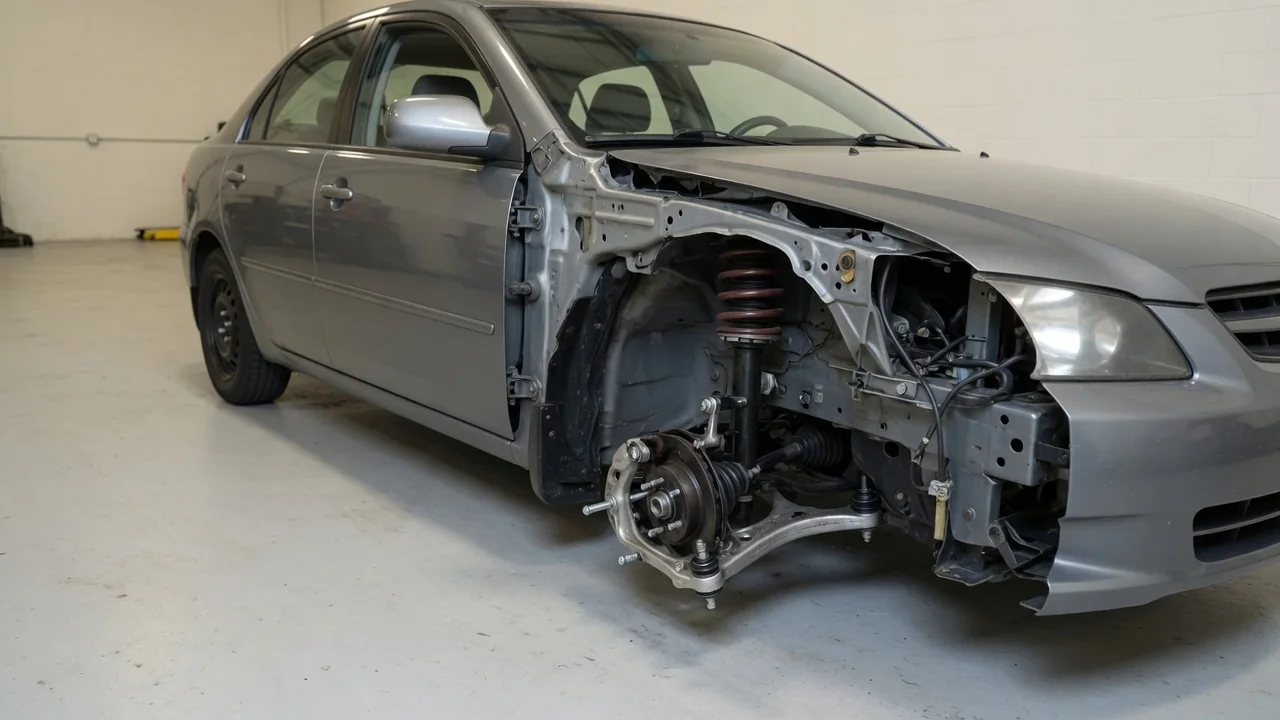
Why a car suspension squeaks, creaks, or clunks over bumps is a clue, not a diagnosis. Squeaky car suspension and other car suspension noises can come from bushings, joints, mounts, or even cargo in the cabin. Recording when the noise happens, checking what you can see safely, and treating lubrication as a last step only at confirmed service points helps you decide whether a professional suspension inspection is the next move.
Record When and Where the Suspension Noise Happens
A squeak, creak, clunk, knock, or bang describes what you hear, not which part is at fault. Car suspension sounds travel through the body, so a squeaking noise from the car suspension that seems to come from the rear of the cabin may originate at a front corner, or the opposite. Note the apparent corner, the type of bump, whether the vehicle is loaded, weather, and whether steering or braking happens at the same time. Those observations narrow a car suspension noise diagnosis without turning one sound into a parts list.
Pay attention to whether the noise began after a curb strike, pothole hit, or a recent repair, because that history often matters more than repeating the event. Do not drive over harsh bumps on purpose just to hear the car suspension making noise again. Ordinary driving is enough to notice car suspension squeaking on bumps versus a creaking sound from car suspension on slow driveway ramps, speed bumps, or uneven pavement. Write down load, temperature, and wet versus dry conditions so a technician can reproduce the complaint without guessing.
Possible Sources of Squeaks and Creaks Over Bumps
Car suspension creaking over bumps often traces to movement at deteriorated or dry-binding suspension bushings. Rubber can harden, crack, or shift in its housing, and the resulting squeak is friction at a small contact surface, not proof of how much life remains. Some rubber bushings are designed to operate without added lubricant, so spraying them is not a default fix. Ball joints and other articulated joints can also squeak when lubrication is lost or wear develops, yet the noise still cannot establish remaining service life or whether replacement is already due.
Where fitted, strut mounts, spring isolators, and sway bar bushings are other common sources of a creaking sound from car suspension as the body moves relative to the wheel. Asking why a car suspension squeaks after a cold start or in rain is useful because temperature and moisture change how rubber and metal contact each other. Those clues still do not prove which part needs attention. A squeaky car suspension that quiets as it warms may be a dry bushing, a mount, or a joint, and only inspection separates those possibilities.
Clunks, Rear Suspension Noise and Sudden Loud Bangs
A clunk or knock over a bump can come from worn sway bar links, loose mounting hardware, collapsed bushings, or play at shock absorber mounts and strut mounts. Sound alone cannot assign the cause. Worn dampers may let the suspension travel farther than it should, so metal parts meet stops they rarely hit when damping is healthy, but a clunk by itself does not establish that a shock absorber has failed. A metallic single clunk over a bump often points toward a loose or worn joint rather than dry rubber.
Car back suspension noise and other rear suspension noise deserve a parked check before blaming control arms or dampers. Unsecured cargo, a loose spare-tire jack kit, and unlatched rear seats can bang on the same bumps that load the rear axle. A sudden loud bang from the car suspension after an impact is different: watch for altered ride height, a tire rubbing the liner, unstable handling, or a steering change. If control may be affected, stop safely and arrange professional assessment or towing rather than driving on and hoping the noise was only a one-time hit.
Safe Observations Before a Professional Suspension Inspection
Limit home checks to a parked vehicle on firm, level ground. Look at stance from a short distance, whether a tire sits unusually inward or shows fresh contact marks on the liner, and what you can see of accessible components without lifting the car or crawling underneath. Torn rubber boots on ball joints, a displaced sway bar link, or fluid on a damper body are findings to report, not proof of the complete fault. If my car suspension is squeaking in the same corner as a leaking shock, the leak and the squeak may still be unrelated.
A gentle body movement check at a corner, pressing down while you stand safely beside the vehicle, may reproduce a squeak but cannot certify joint condition or damper performance. Professional car suspension noise diagnosis uses controlled reproduction of the complaint, proper vehicle support, component-specific play checks, and inspection of mounts and fasteners. That work is not prying joints, taking springs apart, or attempting under-vehicle repairs at home. The way to fix a squeaky car suspension starts with identifying the moving part, not spraying the loudest corner.
Choosing Lubricant or Grease for a Confirmed Service Point
There is no universal best lubricant or grease for car suspension. Selection depends on the exact component, its material, and the vehicle or component manufacturer's specification. Some ball joints and other articulated points have serviceable grease fittings meant for a compatible chassis grease, while sealed joints and many rubber bushings have no routine lubrication provision at all. If a fitting is present, confirm the specified grease type before adding product, because mixing incompatible greases can reduce protection. Applying product where the design never intended it can swell rubber, attract grit, or wash lubrication out of a sealed boot.
Where a bushing is serviceable, require explicit rubber compatibility or polyurethane compatibility for that part. Do not assume a general-purpose spray, petroleum grease, or silicone product is approved for every bushing. Temporary quieting of car suspension squeaking noise is not a repair for wear. Indiscriminate spraying can contaminate brakes and tires, leave a sticky film that holds road grit, and mask a joint that still needs replacement. Treat lubricant as a maintenance step only after the moving surface has been identified and the product has been confirmed as appropriate.
Fix the Confirmed Cause and Check the Result
Repair choices follow inspection findings. A confirmed serviceable grease fitting may need only the specified lubricant. Loose or incorrectly seated hardware may need correction of the mounting, while a worn ball joint, torn bushing, failed strut mount, or damaged sway bar link needs replacement of that component. Damaged joints, torn bushings, and failed mounts will not stay quiet because grease was added around them. Repeated attempts to silence a worn part delay the appropriate repair and can let play grow until alignment, tire wear, or handling is affected.
The repair procedure itself determines whether an alignment check, replacement hardware, or inspection of neighboring components is necessary; those extras are not universal after every squeak. After professional work, confirm that the original car suspension squeaking and any handling changes are gone on the same bumps, loads, and weather that first produced the complaint. If the noise persists or returns, the first repair may not have been the only source, and a renewed suspension inspection is the next step rather than another round of lubricant on the same corner.