Why Is My Car Shaking While Driving?
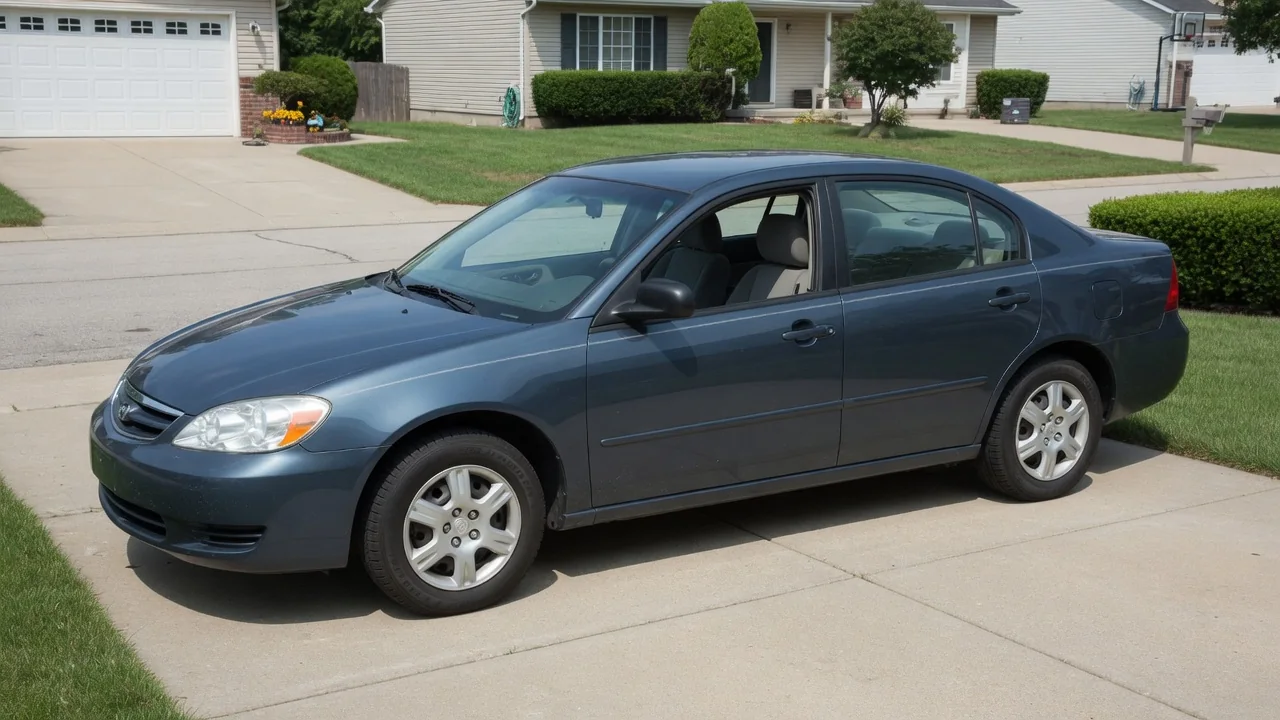
When a car is shaking when driving, the vibration signals a problem somewhere in the vehicle, but it rarely reveals its own source. Tires, wheels, brakes, suspension, drivetrain parts, and the engine can all produce similar sensations. Knowing when the shaking appears, how severe it feels, and what accompanies it helps you respond safely and gives a technician a useful starting point.
What Can Make a Car Shake While Driving?
Several systems can create shaking while a car is moving. An out-of-balance or damaged tire, a bent wheel, uneven brake components, worn suspension or steering parts, a failing axle or driveshaft joint, and a misfiring engine can each send vibration into the cabin. Because these faults feel alike, the symptom points to a group of possibilities rather than one failed part, and guessing often leads to replacing components that were never the problem.
Timing matters as much as feel. Some vibrations appear only within a certain speed range, others only while accelerating or braking, and some follow engine speed rather than road speed. Road texture can mask or exaggerate them. Vibration also travels through the body and steering column, so where you feel it does not reliably show where it starts. Even a slight shake deserves attention when it is new or persistent, because small imbalances and early wear tend to worsen and can stress other parts.
Sudden or Violent Shaking: When to Stop Safely
Sudden, violent shaking is different from a mild vibration you notice over several days. If the car shakes hard, becomes difficult to steer, or the brakes feel weak or erratic, treat it as a safety problem. Ease off the accelerator gradually rather than braking hard, keep steering inputs smooth, switch on your hazard lights, and move out of traffic when it is safe. Once stopped, call for roadside assistance instead of driving on to see whether the shaking returns.
Certain companions to severe shaking strengthen the case for stopping. Loud rhythmic thumping, grinding, smoke, a burning smell, or a tire that is visibly flattened, bulging, or coming apart all suggest a condition that could escalate quickly. A flashing check-engine light alongside rough running can signal an active misfire severe enough to overheat the catalytic converter, so reducing load, stopping safely, and arranging help is wiser than pushing on to your destination.
Details to Note About Where and When the Shaking Happens
Once you are safely parked, write down what you noticed while it is fresh. Note the approximate speed when the shaking began, the road surface, and whether it happened while cruising, accelerating, braking, or turning. Record whether it was continuous, came and went, or grew with speed. Describe where you felt it, such as the steering wheel, seat, floor, or the whole car, remembering that this describes your experience rather than confirming the source.
Add context a technician cannot see. Did the shaking start suddenly or build over weeks? Was it slight or strong enough to blur the mirrors? Were there noises, and did any warning lights appear? A recent pothole strike, curb impact, tire rotation, new tires, or brake work is especially relevant. Gather these details after stopping rather than using your phone behind the wheel, and avoid deliberate high-speed runs to recreate a symptom you have already felt.
Tire and Wheel Problems That Can Cause Vibration
Tires and wheels are a logical first area to examine when shaking rises with road speed. A wheel that has lost a balance weight, a tire with an internal belt separation or flat spot, irregular tread wear, or a rim bent by an impact can create a repeating force with every revolution. That force often builds through a particular speed range and may ease above it, which helps explain why an imbalance can feel dramatic at one speed and nearly vanish at another.
In a safe, level parking spot away from traffic, a ground-level look can reveal obvious problems: a tire that appears low, a sidewall bulge or cut, exposed cords, or a visibly dented rim. Check cold tire pressure against the vehicle's tire placard and adjust as needed, but correct pressure does not prove a damaged tire is safe. Hidden belt damage, wheel runout, mounting problems, and worn suspension parts require a shop inspection with proper balancing and measuring equipment.
Shaking During Braking or Acceleration
Shaking that appears mainly when you press the brake pedal points attention toward the braking system. Uneven rotor thickness or irregular friction material deposits can make braking force rise and fall with each rotation, a condition drivers often call warped rotors. Sticking caliper parts or worn suspension and steering components can make it more noticeable. Pedal pulsation, a shaking steering wheel, pulling to one side, or grinding are all worth reporting, yet none confirms the failed part alone.
Vibration that shows up under acceleration and fades when you coast raises different questions. On front-wheel-drive vehicles, worn CV joints or damaged axles are common areas to check, while rear-wheel and all-wheel-drive layouts add driveshafts, universal joints, and center bearings. Worn engine or transmission mounts can also let the powertrain shift under load. Because brake, steering, suspension, and drivetrain faults overlap, professional inspection under the triggering conditions is the reliable way to separate them.
Shaking While Driving and Idling
When the car also shakes while stopped with the engine running, tires and wheels are unlikely to explain the whole problem, and engine operation moves to the center of the investigation. A misfiring cylinder, an unmetered air leak, weak fuel delivery, or an ignition fault can make the engine run unevenly. Deteriorated engine or transmission mounts may then pass that roughness into the cabin more strongly, although the specific cause varies considerably between vehicles.
Report rough idle, hesitation, loss of power, unusual engine noises, and any warning lights. A technician will typically read stored fault codes and live scan data, then perform targeted tests on ignition, fuel, air, and mechanical systems. A code identifies a condition the control module detected, not necessarily the faulty part, and some codes carry manufacturer-specific meanings that need vehicle-specific confirmation. Replacing a component based only on a code can leave the real problem untouched.
What to Do When the Shaking Keeps Returning
Shaking that keeps returning deserves an inspection even when it disappears for days or only happens at a particular speed or temperature. Intermittent symptoms can reflect a developing condition, such as a tire separating internally or a joint wearing, and they are unlikely to fix themselves. At the shop, explain when the shaking first appeared, the speeds and conditions that trigger it, where you feel it, any warning lights, and recent impacts, tire work, or brake service.
That history lets a technician choose sensible tests, whether balance and runout checks, brake measurements, drivetrain inspection, or engine diagnostics, and decide whether a road test is safe or should wait until obvious hazards are addressed. Repair scope and cost depend on the confirmed fault, which could range from rebalancing a wheel to replacing major components. Likewise, how far the car can safely be driven cannot be judged from an online description, so let a hands-on inspection set those limits.