Why Is My Car Shaking When I Start It?
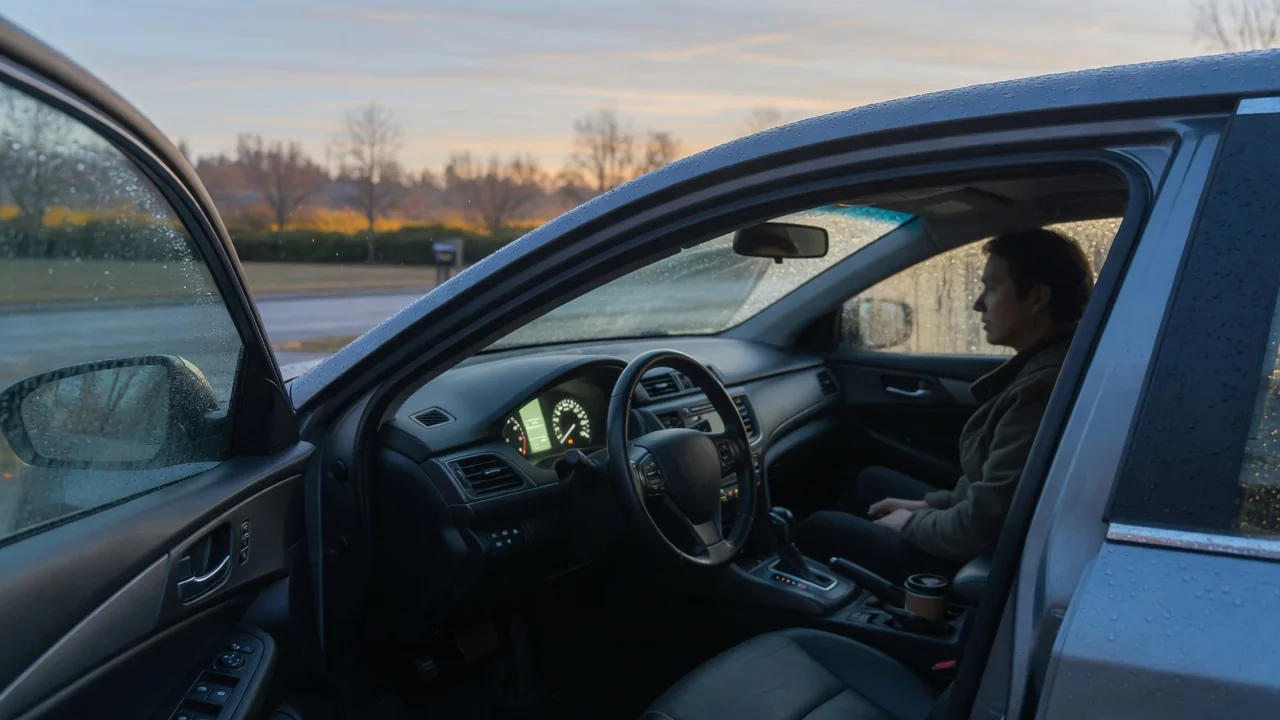
A car shaking when starting is often noticed the moment you turn it on, whether the engine is cold or already warm. That startup vibration can appear while cranking, as the engine catches, or in the first seconds of idle, and it does not name a failed part. Noting duration, temperature, and any check engine light or rough idle helps separate brief warm-up from a problem that needs diagnosis.
Pinpoint When the Startup Shaking Happens
When a car is shaking on startup, separate the feel of cranking from the moment the engine actually starts and from the idle that follows. A shudder as the engine catches is different from shaking during cranking, and both differ from rough running after it fires. Keep the complaint tied to those first moments rather than later driving vibration. Uneven combustion can shake the powerplant, and engine mounts can pass that motion into the body, yet the sensation alone cannot identify the fault.
Write down how long the shaking lasts, whether it returns every time you start the car, and the outdoor temperature. Note if the engine was cold after sitting or already warm from a recent trip, because a car shaking on a cold start is not the same complaint as a warm restart shudder. Describe whether you feel it through the seat, steering wheel, or dashboard. Those paths help a technician understand the complaint; they do not locate a failed component by themselves.
Recognize Cold-Start Behavior That Needs Attention
Some engines briefly raise idle speed after a cold start so the mixture and oil circulation can stabilize, and how long that elevated idle lasts depends on the vehicle and conditions. A short, even fast idle is not the same as a car shaking when starting in cold weather with a pronounced rock or stumble. Repeated stumbling, stalling, or a check engine light should not be dismissed as ordinary warm-up. If you started the car and it started shaking hard enough to worry you, treat that as a symptom, not a scheduled idle strategy.
A symptom that fades as the engine warms can still warrant diagnosis if it recurs each morning or after a long park. Many drivers notice the car shaking when it starts, then smoothing out, and assume the issue is gone; recurrence is still useful evidence. Record ambient temperature and how long the vehicle sat without prescribing a universal warm-up time, because idle character varies by design and weather. Hard starting paired with that shake after an overnight sit is especially worth capturing for the next inspection.
Understand How Misfires, Air Leaks, and Fuel Problems Affect Startup
Uneven combustion is one reason the engine can shake as the car starts, producing a loping idle or hesitation as soon as it fires. An engine misfire, an intake air leak that lets unmetered air in, or a fuel delivery shortfall can all disturb that first idle. Those are diagnostic possibilities, not conclusions from the shake itself, because several faults can feel identical in the cabin. Wiring, sensors, injectors, or mixture control can create the same startup vibration, and only testing sorts them out.
Extended cranking, stalling right after the engine fires, and a persistent rough idle give useful context when shaking appears as you start the engine, but they do not establish which part has failed. Fuel pressure, spark quality, and air leaks are often checked first because they can disturb combustion immediately after you turn the key. If those tests do not explain a recurring shake, mechanical or compression problems may need investigation. Treat each finding as evidence to interpret rather than proof that a coil, injector, or gasket is finished.
Consider Mounts When Startup Vibration Reaches the Cabin
Engine and transmission mounts limit how much engine motion reaches the body, so deteriorated mounts can contribute to a startup shudder in the cabin. A clunk as the engine catches, or extra vibration when you turn it on, are clues that justify inspection, not proof a mount has failed. A misfire can shake a healthy mount just as a worn mount can amplify a normal idle. Running quality and isolation can both shape why the engine is shaking when you start the car.
A steady indicated idle speed does not rule out an engine-running problem, and it does not confirm a mount fault either. The tachometer can look calm while the car is shaking when turned on because the shake is mechanical motion, not a displayed rpm swing. Leave mount inspection and any loaded-engine evaluation to a technician who can do that work safely. Do not restrain, jack up, or load the running engine yourself to chase a shudder.
Know When to Shut the Engine Off and Arrange Help
A flashing check engine light with shaking can indicate an active misfire that risks catalytic converter damage, so stop safely and arrange assistance rather than continuing to idle. If the car started shaking when you turned it on and the light is flashing, treat that as urgent even if the engine still runs. Severe shaking, repeated stalling, smoke, a strong fuel smell, or oil-pressure or overheating warnings are also reasons to shut down safely and seek help. Do not keep idling to investigate if those warnings are present.
For mild but recurring shaking without those urgent warning signs, arrange prompt diagnosis and do not assume the vehicle is safe to keep driving. A light shake after you start it up still deserves attention even when the engine stays running. Avoid repeated restarts just to reproduce a severe symptom, because each cycle can add heat and unburned fuel. Never run the engine in an enclosed garage while you listen for the shake. Carbon monoxide can build quickly even with a door partly open.
Gather Useful Details for a Startup Diagnosis
Before a visit, note warning lights, visible idle-speed fluctuations, recent maintenance or refueling, and whether the shake follows an overnight park or a warm restart. Those details make a startup diagnosis faster than a vague report that the car is shaking when you turn it on. If the symptom is intermittent, a brief recording from the driver's seat while safely parked can show the rhythm of the idle. Keep observations away from belts, fans, and other moving engine components.
Stored and pending diagnostic trouble codes, along with freeze-frame snapshots of temperature and load, guide testing rather than prove a part needs replacement. Manufacturer-dependent codes require vehicle-specific confirmation of meaning before any part is condemned. A technician may reproduce the startup condition and then use targeted ignition, intake, fuel, compression, or mount checks based on that evidence. Preserve the information; clearing codes or disconnecting the battery before inspection can erase pending data tied to the shake.