Why Is My Car Shaking When I Accelerate? Causes and What to Check
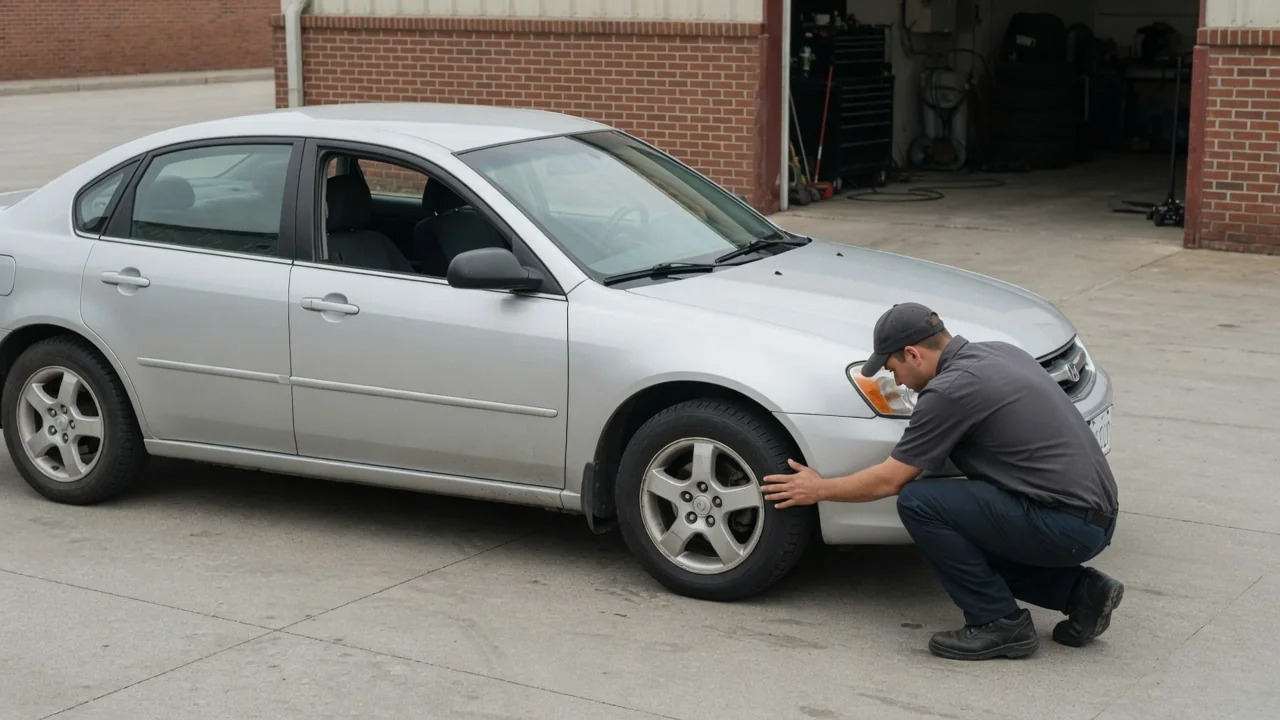
When your car shakes as you accelerate, the vibration shows that something changes once the engine starts working harder. The cause could be in the engine, the mounts that hold it in place, the axles or driveshaft, or the tires and wheels. Below, you'll learn how each of these areas behaves under load, which symptoms mean you should stop driving, and what to notice so a technician can find the cause faster.
What shaking under acceleration can mean
Pressing the accelerator raises engine load and sends more torque through the transmission. That added force twists the mounts, axles, and joints that carry power to the wheels. A slightly weak cylinder, a tired rubber mount, or a worn joint may stay quiet while you cruise, then become obvious once that load arrives. This is why a vibration can seem to appear only when you ask the car to speed up, even though the wear behind it may have been building for some time.
Several areas can produce this kind of shaking: engine misfires, worn engine or transmission mounts, CV axle problems, driveshaft faults on vehicles that have one, and tire or wheel issues. Don't assume any of them from the shaking alone. How the vibration feels narrows the search, but it can't identify a failed part. Replacing components based only on feel often wastes money and leaves the real fault in place, still causing the vibration you noticed when you pressed the pedal.
When shaking and loss of acceleration require stopping
Some symptoms mean the drive should end as soon as you can stop safely. These include violent shaking, trouble keeping the car in its lane, a severe loss of power, smoke, or a burning smell. A flashing check engine light needs particular attention. It can signal an active misfire that is severe enough to overheat and damage the catalytic converter. Ease off the accelerator, avoid any further hard acceleration, and plan to get assistance instead of pressing on.
If the car can't hold a safe speed or keeps shaking hard, move out of traffic when you safely can, turn on the hazard lights, and arrange a tow. When shaking comes with weak acceleration, it's tempting to assume the transmission has failed. However, misfires, fuel or air delivery problems, and protective reduced-power modes can all feel similar from the driver's seat. A diagnosis should confirm the actual cause before anyone calls it a transmission failure.
Details to record when the shaking starts
You can gather useful clues during normal driving without any extra effort. Once you're parked, write down the approximate road speed, engine RPM if you have a tachometer, the gear if you know it, the temperature gauge reading, and whether you were pressing the pedal gently or firmly. Also note whether the shaking started as soon as you pressed the pedal, lasted through the whole acceleration, or settled when you eased off. That last pattern suggests the fault depends on load, but it doesn't prove the cause.
Where you feel the vibration also matters. Shaking felt mainly through the steering wheel points a technician somewhere different from a shudder through the seat, the floor, or the whole body. Mention any clunks, hums, or clicking sounds, along with any warning lights that came on. Don't try to recreate the problem with deliberate hard acceleration, high speeds, or repeated attempts. Never handle a phone to record details while the car is moving.
Misfires, engine shaking, and weak acceleration
Each cylinder should give a similar push to the crankshaft. When one cylinder burns its fuel unevenly or doesn't fire at all, the engine turns unevenly, and the car can shake, jerk, and feel weak. This is most noticeable when you climb a hill or accelerate, because that's when engine load is highest. Possible sources include ignition faults, fuel delivery problems, incorrect air metering, and low compression, depending on the engine design. A borderline component may cope at light throttle but falter as demand rises.
A rough idle or a warning light supports the idea of a misfire, but their absence doesn't clear the engine, because some faults appear only under load. A technician can review stored and pending codes, freeze-frame data, and misfire data where the vehicle supports it, then run targeted tests. Some codes mean different things depending on the manufacturer, so they need to be checked against information for your specific vehicle. A misfire code only records that the condition was detected. It doesn't prove that a spark plug, coil, or injector needs replacing.
Mount problems that transmit shaking into the cabin
Engine and transmission mounts hold the engine and transmission in place and absorb their normal vibration. When torque is applied, the engine tries to twist slightly. A torn or collapsed mount can let it move too much or pass vibration straight into the body. Drivers sometimes describe a thump when they press the pedal, a shudder through the cabin, or a rocking sensation from front to back. These are worth reporting to a technician, but they don't prove that a mount has failed.
Mounts can also carry vibration from somewhere else. If the engine itself is running unevenly, a mount can pass that roughness into the cabin whether it is worn or not. New mounts won't restore power lost to a misfire. Mount inspection and any controlled load testing should be left to a technician who can watch the engine and transmission safely. Don't brake-torque the car, try to lift the engine, or reach around belts, fans, or other moving parts while the engine is running.
CV axles and driveshaft faults under load
On front-wheel-drive and many all-wheel-drive vehicles, CV axles connect the transmission to the wheels. A worn inner CV joint can cause a shudder when you accelerate. This often shows up at low speeds or in lower gears, where torque is high, and it may ease when you coast. Vehicles with a driveshaft have other possible causes, such as worn universal joints, a damaged or bent shaft, or a failing center support bearing where one is fitted.
Feeling the car shake side to side, or noticing vibration through the floor, can't tell you which axle, joint, or side has the fault. A technician can inspect the protective boots for splits and grease loss, check the joints for excess play or binding, and examine the condition of the shafts. They can then compare what they find with the symptoms you recorded. Don't crawl under the car without proper lifting equipment, and never run the engine in gear with the car raised at home.
Tire and wheel checks when vibration reaches the steering wheel
Tire damage, wheel damage, and imbalance tend to become more noticeable as road speed rises. Because speed rises while you accelerate, they can seem linked to the gas pedal when speed is really the trigger. If the vibration follows road speed no matter how hard you press the pedal, the tires and wheels are good suspects, though that pattern alone doesn't settle the question. Shaking in the steering wheel is a helpful clue to location, but it can't pinpoint a specific tire, wheel, or suspension part.
With the car parked, look over the tires you can reach for bulges, cuts, and unusual tread wear. Check the wheels for visible bends or cracks, and compare the cold tire pressures with the vehicle's placard. Don't drive on a tire with a visible bulge or suspected tread separation, and don't try to reproduce the vibration at highway speeds. A shop should inspect the tires and wheels, check balance and runout, and look at related steering and suspension parts before recommending repairs.