Why Is My Car's Fuel Economy Getting Worse? Common Causes and Checks
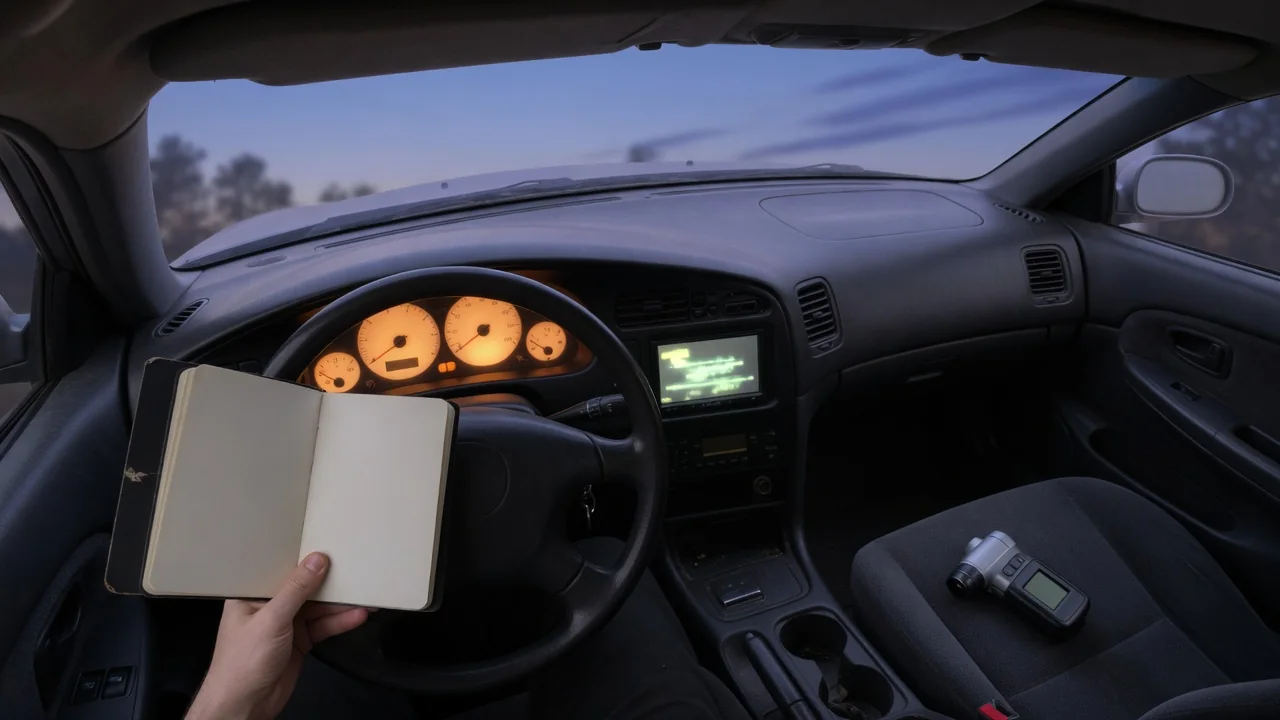
A gradual drop in car fuel economy decreasing mileage can be frustrating, especially when nothing seems obviously broken. Your vehicle's efficiency depends on dozens of interacting systems, from tire pressure to fuel metering, so a decline often develops slowly. Before assuming an expensive repair, remember that driving conditions, seasonal changes, and maintenance gaps can all reduce miles per gallon. Tracking a reliable baseline and reviewing a few common causes will help you decide which checks are safe at home and when professional diagnosis is the smartest next step.
Confirming the Drop: How to Measure Your Fuel Economy Accurately
To confirm a real trend, calculate fuel economy by hand over at least three consecutive fill-ups. Fill the tank until the pump clicks off, reset the trip meter, then record gallons added at the next fill-up. Divide miles driven by gallons used; repeating this several times smooths out pump shut-off differences and short-fill variability. The dashboard estimate can drift because it averages recent driving patterns and may miscalculate injector pulse width, so a written log is more trustworthy for spotting gas mileage dropping true rates.
One tank rarely gives a reliable picture. A strong headwind, a long idle in a parking lot, or a different pump angle can change that single number by several mpg. Compare your hand-calculated average with your car's own past results during similar seasons and routes. If mileage has fallen more than ten percent below what the same vehicle returned last year under comparable conditions, that suggests a developing mechanical issue rather than normal variation or a one-time traffic jam.
Everyday Factors That Lower Mileage Without Any Fault
Cold weather reduces efficiency because the engine and driveline fluids thicken, and the fuel blend changes. Winter gasoline has lower energy density to improve cold starting and reduce evaporative emissions, which alone can cost a few percent in miles per gallon. Warm-up enrichment also runs the engine richer until the coolant temperature climbs, so many short trips in freezing conditions never reach the most efficient operating range. If your decline started in late autumn, the season may explain much of it.
Driving style and load matter enormously. Stop-and-go traffic, extended idling, and aggressive acceleration waste fuel because the engine produces work that never becomes forward motion. Extra cargo in the trunk, a roof rack, or a trailer increases both weight and aerodynamic drag; a loaded roof box can cut highway mileage by a noticeable margin at speed. Running the air conditioning compressor or the defroster on high also adds a continuous load. Before suspecting a fault, ask whether your routine or vehicle contents changed recently.
Tires, Alignment, and Dragging Brakes
Underinflated tires increase rolling resistance because the contact patch deforms more with every revolution, forcing the engine to work harder. Check pressures when the tires are cold, before driving more than a mile, and inflate to the figure on the driver's door-jamb placard—not the maximum pressure molded into the tire sidewall. Even a few psi low on all four tires can reduce fuel economy by a small but consistent percentage, and it will worsen tire wear at the shoulders.
Dragging brakes create constant friction that mimics a drop in engine efficiency. After a drive, carefully compare wheel temperatures by bringing your hand close to each rim; one that is noticeably hotter may indicate a stuck caliper or a parking brake that is not fully releasing. A burning smell near a wheel, a car that feels reluctant to coast on a level road, or a persistent pull during braking are also warning signs. Do not attempt to adjust brake hardware at home; these systems need professional inspection because a mistake can compromise stopping ability.
Engine Sensors and the Check Engine Light
Engine sensors such as the oxygen sensor, mass airflow sensor, and coolant temperature sensor continuously report conditions to the control module so it can deliver the correct air-fuel ratio. A faulty signal can push the mixture richer than needed, because the default strategy becomes a safe but fuel-hungry estimate. A slow or biased oxygen sensor often causes a gradual decline in gas mileage dropping rates before the check engine light appears, sometimes accompanied by a rough idle or a faint fuel smell from the exhaust.
A basic OBD-II scanner can read stored diagnostic trouble codes while the vehicle is parked and the key is in the run position. The code identifies a circuit or condition that behaved outside expected limits; it is not proof that a specific part has failed. For example, an oxygen sensor code may be triggered by a vacuum leak or an exhaust leak upstream, and some manufacturers use different definitions for the same generic code. Record any codes without clearing them, and keep in mind that a flashing check engine light indicates a misfire severe enough to damage the catalytic converter and calls for reduced driving and prompt professional attention.
Ignition, Air Intake, and Fuel System Problems
Worn spark plugs increase the voltage required to fire the mixture, which can lead to misfires, hesitation under load, and unburned fuel leaving the cylinder. A misfire wastes fuel because that cylinder contributes no power while the oxygen sensor sees extra oxygen and may richen the mixture for the other cylinders. If your engine stumbles when accelerating or the idle feels uneven, ignition wear is a plausible cause. Never remove spark plugs while the engine is hot, and leave coil and high-voltage work to someone with proper training.
A heavily restricted air filter can strangle an engine at high load, though many modern fuel-injected engines compensate well until the restriction is severe. If the filter housing is easy to open and the owner's manual shows how, visually check for a mat of debris covering the pleats. Fuel system issues such as a leaking injector or a damaged gas cap seal may lower fuel economy and often produce a raw fuel smell or an evaporative emissions code. A thermostat stuck open keeps the engine below its designed temperature; the gauge may rise slowly in winter and the cabin heater may feel weak, leading to prolonged warm-up enrichment and reduced efficiency.
Safe Checks to Do Before Visiting a Mechanic
Before booking a mechanic, perform a few safe checks. Inflate tires to the door-jamb specification, inspect the gas cap seal for cracks and make sure it clicks closed, and look at the air filter if the housing is accessible without tools. Note whether any dashboard warning lights are on steady or flashing, and remove unnecessary weight such as heavy toolboxes, sports gear, or a roof rack that is no longer in use. These actions are low-cost and may recover a small portion of lost efficiency immediately.
Keep a simple note of when the decline began and any other changes that appeared around the same time: new noises, vibrations, a recent oil change, a different fuel station, or new tires. If you have an OBD-II scanner, read codes while parked and write them down without clearing them, because a technician may need freeze-frame data that clearing would erase. Do not attempt repairs on fuel lines, brake hydraulics, or high-voltage ignition systems without proper training and tools; some mistakes can cause a fire, a fluid leak, or an electric shock.
When Declining Fuel Economy Needs Professional Diagnosis
Certain symptoms call for prompt professional diagnosis rather than further home testing. A flashing check engine light, a strong gasoline smell inside or around the car, an overheating gauge, or a persistent misfire under acceleration indicate conditions that can damage expensive components or create a safety hazard. A technician can read live sensor data to see whether the fuel trim is biased rich, perform a smoke test to find vacuum leaks, or check fuel pressure and injector balance—tests that go far beyond what a code reader can reveal.
When you visit a shop, bring your fuel log, the conditions under which the drop occurred, and any codes that were present. Multiple small factors often combine: a slightly lazy thermostat, tires that were a few psi low, aging spark plugs, and a season of short trips can together account for a drop that no single test would flag as catastrophic. A thorough diagnosis based on your notes is faster and cheaper than replacing parts by guesswork, and it prevents a new component from being blamed for a problem that has several contributors.