Why Is My Car Overheating in Cold Weather? Causes and What to Do
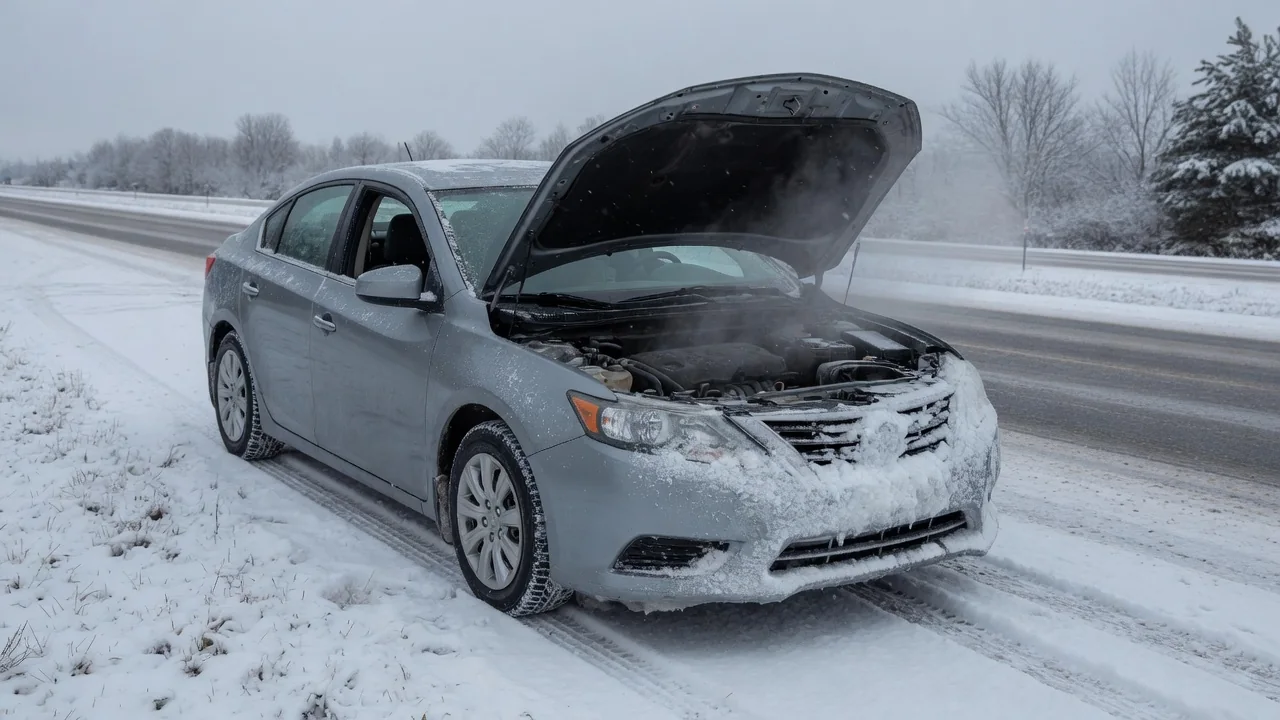
A high engine temperature gauge on a snowy day might seem contradictory, but a car overheating in cold weather is a real problem. Winter brings unique cooling-system failures, from frozen coolant to a stuck thermostat. Recognizing why your car is overheating in the winter is the first step toward a fix before major engine damage occurs.
Why an Engine Can Overheat Even When It's Cold Outside
Cold outside air still flows through the grille, but if coolant cannot circulate or shed heat internally, the engine will not be cooled. A frozen mixture, failed pump, or closed thermostat creates a temperature spike even on the coldest morning. This differs from summer overheating, where high ambient heat and heavy load overwhelm a working system; winter failures often stem from restriction or a lack of circulation.
Key winter culprits include an incorrect antifreeze mixture allowing ice to block passages, a thermostat stuck closed, low coolant from leaks, snow or ice blocking airflow, and a failing fan or water pump. False gauge readings from a bad sensor or trapped air also occur. Warning signs include a rising gauge, no cabin heat, a warning light, steam from under the hood, or a sweet coolant smell.
Frozen Coolant and the Wrong Antifreeze Mix
Coolant is mixed with water to prevent freezing, but too much water lowers the freeze point dangerously. In sustained cold, slush can form inside the radiator, hoses, or heater core, blocking flow. Even pure antifreeze without the right dilution can perform poorly, so the concentration recommended by the manufacturer matters for both freeze protection and heat transfer.
Using the correct coolant type for your vehicle and avoiding mixing incompatible formulas helps prevent gelling or corrosion. Symptoms of frozen coolant include rapid overheating soon after a cold start, little or no heat from the vents, and gurgling sounds from slush moving. If frozen coolant is suspected, avoid hard driving; let the car thaw in a warmer area and have it inspected.
Stuck Thermostat and Low Coolant Level
A thermostat stuck closed stops hot coolant from reaching the radiator, so heat builds in the engine block regardless of the air temperature outside. This can cause an immediate climb on the gauge shortly after startup. Low coolant from a leak, weak radiator cap, or cold-damaged hose also reduces the system's ability to transfer heat and may starve the heater core, leaving the cabin cold.
When the engine is fully cool, check the coolant reservoir level against its marks. Look for drips or crusty residues around hoses and clamps that might indicate a leak. But a thermostat or internal leak cannot be confirmed visually, and ongoing coolant loss requires professional pressure testing to locate the source safely.
Blocked Radiator Airflow, Cooling Fan, and Water Pump Problems
Snow packed into the grille, ice on the radiator fins, or road salt buildup can restrict airflow, especially when idling or moving slowly in winter traffic. The cooling fan draws air through the radiator when the car is not moving fast; a failed fan, relay, or fuse means heat cannot be shed at idle, leading to overheating in any season.
A failing water pump or a drive belt stiffened by cold can reduce coolant circulation, sometimes with a squealing noise, a rumbling pump bearing, or coolant drips near the pump. With the engine off and cool, you can clear snow from the grille and check for obvious belt damage, but electrical and pump diagnosis is best left to a technician.
When the Temperature Gauge Reading May Be Wrong
A faulty coolant temperature sensor, damaged wiring, or a gauge malfunction can falsely show the engine overheating, even when the actual temperature is normal. Conversely, a bad sensor can hide a real overheating event. After recent coolant service, an air pocket in the cooling system can cause erratic gauge readings as air passes the sensor.
Clues that suggest a false reading include steady heater output with no steam, no hot smell, and no other symptoms. But these clues are not proof, and treating a high reading as real is the safe approach. A professional scan tool and cooling system test can compare computer data to gauge behavior and rule out an actual problem.
What to Do If the Gauge Spikes on a Cold Day
If the gauge spikes on a cold day, pull over as soon as it is safe. Turn off nonessential electrical loads like the radio and seat heaters, and if the gauge stays high or warning lights appear, shut the engine off to stop further heat generation. Running the engine while overheated can warp cylinder heads or damage gaskets.
A common roadside tip is to turn the heater on full blast to pull heat from the engine, but this only buys a little time in mild cases. Never open the radiator or pressurized reservoir cap while the engine is hot, because scalding coolant can erupt under pressure. If the gauge remains high after cooling, call for a tow rather than risking engine damage.
Checking Coolant Concentration and When to Get Professional Help
On a cool engine, coolant freeze protection can be checked with an antifreeze hydrometer, test strips, or a refractometer. These tools measure the concentration of antifreeze in the mixture. Compare the reading against the protection level recommended in the owner's manual or on the coolant container for your local winter temperatures; there is no universal ratio because different engine designs and climates require specific mixes.
Professional help is needed for repeated overheating, coolant loss with no visible leak, milky oil that suggests a head gasket failure, white exhaust smoke, or suspected frozen coolant that blocks flow. Preventive winter habits include testing coolant before deep cold arrives and keeping the grille clear of snow, but always follow your vehicle's specific service guidance.