Why Is My Car Making a Ticking Noise?
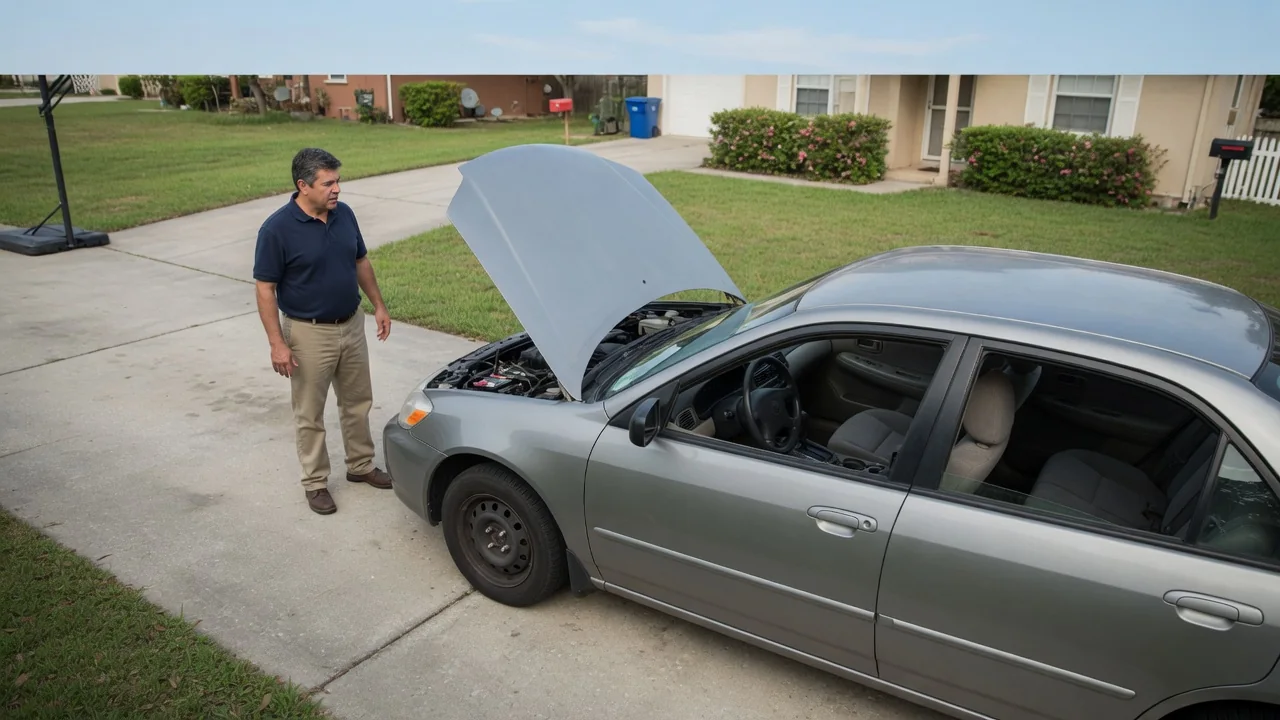
When a car is making a ticking noise, the sound can come from the engine, the exhaust, or the wheel area, and timing is what separates those sources. A ticking noise from a car is not a diagnosis by itself. Noting idle, driving, a cold start, or road speed helps separate normal injector and valvetrain noise from problems that need attention.
When a Ticking Noise Means You Should Stop Driving
A ticking noise in a car can start in fuel injector operation, valvetrain hardware, an exhaust leak, or rotating parts near a wheel, so the sound alone cannot name the failed part. If the car makes a ticking noise with an oil pressure warning, rising temperature, severe shaking, or sudden power loss, pull over when it is safe and shut the engine off. Those extra signs raise the chance of damage that continues while the engine runs.
Roadside assistance is the safer choice when the ticking noise from the car grows quickly, or when braking or steering feels impaired. Do not keep driving just to wait the sound out if control is in doubt. A familiar, steady engine tick without other symptoms is not an emergency by itself, yet a change in pitch, speed, or loudness still deserves inspection. A long-standing car ticking noise can still become a different problem when its character shifts.
Record Where and When the Ticking Happens
If your car is making a ticking noise, write down where it seems to come from, whether the vehicle is parked or moving, and whether the engine is still cold or already warm. A tick that rises and falls with engine speed often points toward the engine or exhaust, while a tick that follows road speed can come from a tire, brake, or driveline part. That split does not prove a diagnosis, but it tells a technician which systems to listen to first.
Note what happens during ordinary acceleration, turns, or braking, without hunting for the noise by aggressive driving. A car making ticking noise while driving may only show the pattern on a curve, during a stop, or after a cold start, and those details matter more than a single parked recording. If you capture the sound, do it only while safely parked. Keep hands, clothing, and the recording device clear of hot surfaces, belts, and other moving parts.
Steady Engine Ticking at Idle
A car making ticking noise when idle is often the regular click of fuel injector operation, and how loud that click sounds depends on engine design, insulation, and how close you stand. Some valvetrain noise is also characteristic of a given engine and may be present from new. Neither pattern proves the hardware is healthy. A new tick, a louder tick, or a tick that was not there last week is a reason for assessment even if the rhythm still sounds even.
Pay attention to whether the ticking noise in the car engine fades after warmup or stays the same once oil is circulating. Rough idle, a warning light, or a change in how the engine pulls matter more than the tick by itself. A car engine ticking noise that remains after warmup still needs inspection, because an audio clip or a steady rhythm cannot confirm the sound is harmless. A car engine makes ticking noise for more than one reason, and those reasons are not interchangeable.
Oil Supply, Lifters, and Engine Tapping
Inadequate lubrication can leave a car making tapping noise, and so can hydraulic lifters or other valvetrain parts that are not remaining quiet as designed. Low oil or delayed oil flow on a cold start can produce a similar tick. Check oil level on level ground with the engine off, using the waiting period and method in the owner's manual. That reading is only a level check; it does not measure pressure or prove a lifter has failed.
Oil level and oil pressure are not the same measurement. A dipstick that looks normal does not rule out a pressure problem, and an oil pressure warning is a reason to shut the engine off as soon as you can do so safely. Persistent car engine tapping noise needs professional testing rather than a guess from the passenger seat. Do not treat the sound as a license to add thicker oil, pour in an additive, adjust internal hardware, or replace parts until a technician has identified the source.
Exhaust Leaks That Sound Like an Engine Tick
An exhaust leak can mimic a ticking noise from the car engine because escaping pulses tap in time with combustion. The sound is often easier to notice at startup or when load increases, and it may seem to come from the engine bay even when the leak is at a manifold joint. As metal expands, the tick can quiet, grow, or shift, which is a useful clue but not proof of the source. Heat and movement make guessing from the driver's seat unreliable.
Treat exhaust odor in the cabin as a reason to stop safely, get fresh air, and arrange inspection rather than continuing a trip. Carbon monoxide itself has no smell, so the absence of odor does not mean the air is safe. Leave leak localization to a technician. Do not touch exhaust parts, do not block the tailpipe to check the sound, and do not run the engine in a garage or other enclosed space while you hunt for a ticking noise on the car.
Ticking From the Wheels While Driving
Sounds from the wheel area can leave a car making ticking noise when driving even when the engine is quiet. Tread debris, loose trim, brake-related contact, or a driveline fault can produce a repeating sound tied to vehicle movement. Clicking during turns can be a clue involving CV joints on vehicles equipped with them, yet that pattern is not a confirmed diagnosis. A car making a ticking noise while driving that speeds up with road speed deserves a look at rotating parts, not only under the hood.
A visual check of accessible tire tread and wheel trim is reasonable only when the vehicle is safely parked and the engine is off. If something is stuck in the tread, leave it in place for assessment rather than prying it out on the roadside. Persistent ticking noise from the car that seems to follow a wheel still needs prompt inspection. Stop safely if you feel vibration, see tire damage, or notice braking or steering symptoms along with the tick.
What to Tell the Repair Shop
When you describe why your car makes a ticking noise at the shop, give a short history covering the first occurrence, the apparent location, whether the engine was cold or warm, and whether the vehicle was stationary or moving. Add accompanying symptoms such as warning lights, odor, vibration, or a change in braking or steering. Mention recent oil service, other repairs, impacts, or new accessories as relevant history, without assuming those events caused the ticking noise in the car.
A technician may need to localize the sound, verify oil pressure when a warning or tapping suggests a lubrication issue, and inspect exhaust, brake, wheel, or driveline components rather than replacing the first noisy-looking part. Finding why your car is making a ticking noise depends on those tests, not on swapping parts from a guess. Confirm the source before authorizing replacement. Symptoms guide which checks to run, but they do not establish that a particular component has failed.