Why Is My Car Making a Clicking Noise? Identifying the Source
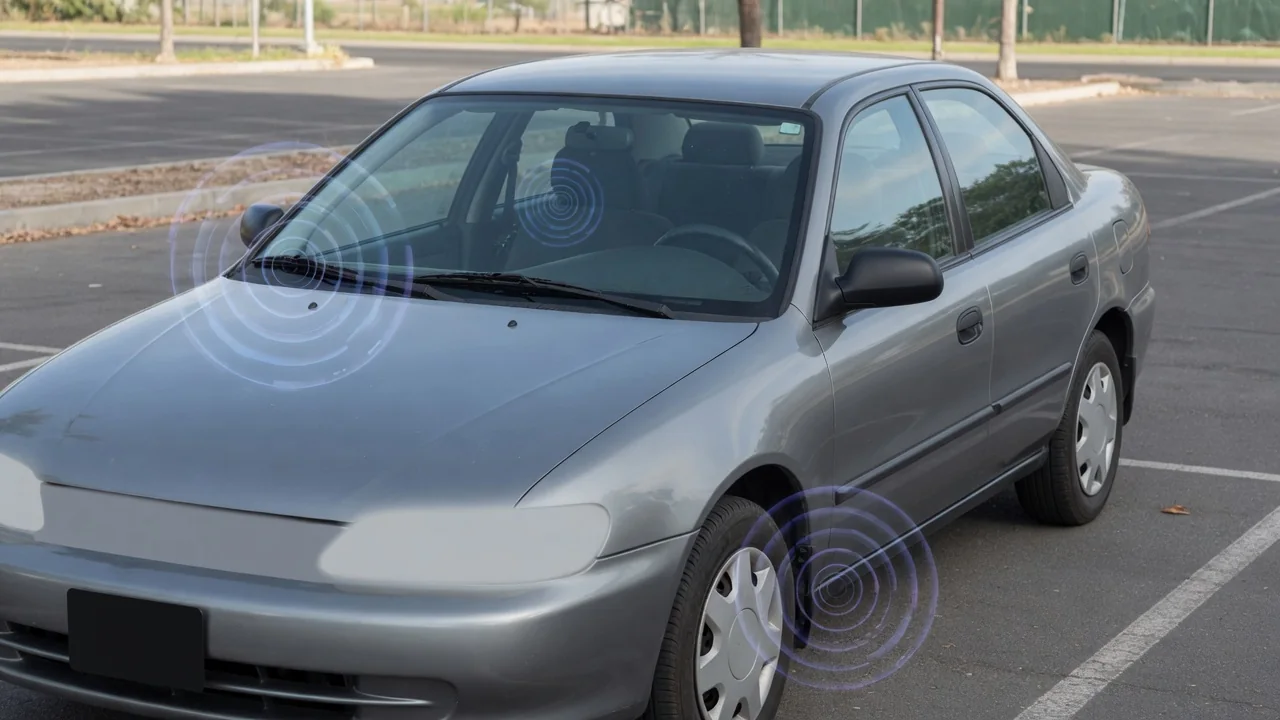
When a car makes a clicking noise, the sound itself rarely names a failed part. Why the click is there usually depends on timing, location, and other symptoms, whether it appears at idle, in the engine bay, during a start, or from an unknown spot. This guide sorts common clicking car noise patterns by when they occur and where they seem to come from, then links those observations to safer next steps.
Locate the Click and Record When It Happens
A clicking noise in a car is a clue, not a diagnosis. The same tick can come from injectors, a loose heat shield, a relay, or a wheel-area joint, so operating conditions matter more than the word click. Note whether the sound appears during a start attempt, while the engine is idling, as the vehicle moves, during turns, or when you change ventilation or other cabin controls. Those windows of time narrow the systems worth inspecting and keep you from treating one noise as proof that a particular part has failed.
Try to place the sound in the engine bay, around the dashboard, near a wheel, or underneath the vehicle, remembering that a click can travel through body panels and sound closer than it is. If the car is making a clicking noise while safely parked, a short recording plus notes on whether it is new, intermittent, or continuous help later. Do not handle a phone while driving to chase the noise. Park first, then listen from the cabin or a safe distance so the observation stays useful instead of becoming a distraction.
Clicking at Idle: Note Temperature, Rhythm, and Accessories
When clicking occurs at idle, with the car stationary and the engine running, write down more than the fact that you hear a tick. Note cold start versus fully warm operation, whether idle speed feels smooth or hunting, and whether the rhythm stays even as the engine settles. On some engines an even injector or valvetrain tick is ordinary; a new, louder, or changing clicking noise while idling is the one that needs assessment. Temperature and idle quality often separate a familiar engine tick from a sound that appeared after a recent change.
If ordinary use of the air conditioning changes the sound, record that fact without treating it as proof an accessory has failed. A compressor clutch, a relay, or idle-speed adjustment can all alter what you hear when the system cycles. Stay inside the cabin or stand at a safe distance with the hood closed or only briefly opened while the engine is off. Never reach toward belts, cooling fans, or hot engine components to localize a click. A car making a clicking noise while idling is still a running machine with pinch and burn hazards.
Engine Clicking: Possible Sources and Safe Oil Checks
A clicking noise in the car engine can come from fuel injectors firing, valvetrain clearance, a small exhaust leak at a flange or heat shield, or a belt-driven accessory that ticks as it turns. Those sources overlap in pitch and can all sound like a metallic engine tick from the cabin. Notice whether the sound follows engine speed during ordinary driving or stays tied to idle, but rhythm alone cannot confirm the source. Heat-related ticks that fade as metal expands after a cold start also need that context written down.
If you check oil level, do it with the engine off, on the surface the owner's manual specifies, and after the waiting period that manual requires so the reading is not a splash of oil on the dipstick. That reading does not establish oil pressure and does not rule out mechanical damage. Persistent or unfamiliar engine clicking still warrants professional diagnosis even when the level looks acceptable. Low oil is one possible contributor among several, and a fault code or a warning light, if present, is evidence to interpret rather than proof a part has failed.
Clicks During Starting, Turning, or Cabin Control Use
Clicking during a start attempt belongs with battery condition, cable connections, and starter-circuit diagnosis. A single click or a burst of repeated clicks cannot identify the failed component by itself; a weak battery, a poor ground, or a starter that does not engage can sound similar. If you hear clicking during turns or as a wheel rotates, the next step is focused inspection of the axle, wheel, and brake area, including a possible CV joint, rather than an improvised road test meant to make the noise louder. Do not invent extra maneuvers to reproduce it.
When the click lines up with ventilation settings, a dashboard actuator moving a blend or mode door is a common path to check, and a relay under the dash or in a fuse box can produce a similar cabin sound. Keep this branch focused: match the noise to the control you just used, then have that circuit inspected rather than replacing parts by guesswork. Hearing a clicking noise in the car only when you change airflow or temperature usually points away from the engine and toward that HVAC or electrical path.
Warning Signs That Mean You Should Stop Driving
Driving safety depends on accompanying symptoms and the suspected system, not on the click by itself. A light ticking with no other complaint is not the same situation as a car making a clicking noise plus an oil-pressure warning, rising temperature, smoke, or a sudden severe mechanical racket. For those last cases, pull over when it is safe, switch the engine off, and arrange help. Clicking alone cannot establish that the car is safe to continue, and warning lights that appear with the sound deserve that conservative response.
Loss of power, severe shaking, or a change in braking or steering are also reasons to stop and arrange assistance rather than drive on to see whether the noise fades. Do not make repeated start attempts if the starter only clicks, do not rev the engine on purpose to reproduce the sound, and do not crawl underneath an unsupported vehicle to hunt for a tick. Noticing that your car is making a clicking noise is a reason to gather symptoms, not a reason to take extra mechanical risk while you try to force an answer.
What to Tell the Shop and What Testing Can Establish
Give the shop a compact symptom record: year, make, and model if you know them, where the sound seemed to sit, when you first noticed it, engine temperature at the time, and the operating conditions that bring it out. Include any warning lights, recent service, and whether the clicking noise in your car is constant or comes and goes. That checklist helps a technician decide what the clicking noise actually is, sorting idle ticks, start-circuit clicks, and wheel-area noises with different tests instead of guessing from a one-word description.
A safely captured recording and your notes can help with an intermittent noise, yet audio has limits; similar ticks can come from injectors, an exhaust leak, or a wheel joint. Targeted professional checks may include electrical starting-system tests, oil-pressure measurement, sound localization, or wheel-area inspection when symptoms justify them. Identifying the source before authorizing parts replacement avoids unsupported repairs. A scan may log related codes, but those codes still need vehicle-specific confirmation and often cannot explain why you hear a clicking noise in the car if the cause is mechanical.