Why Is My Car Making a Buzzing Noise?
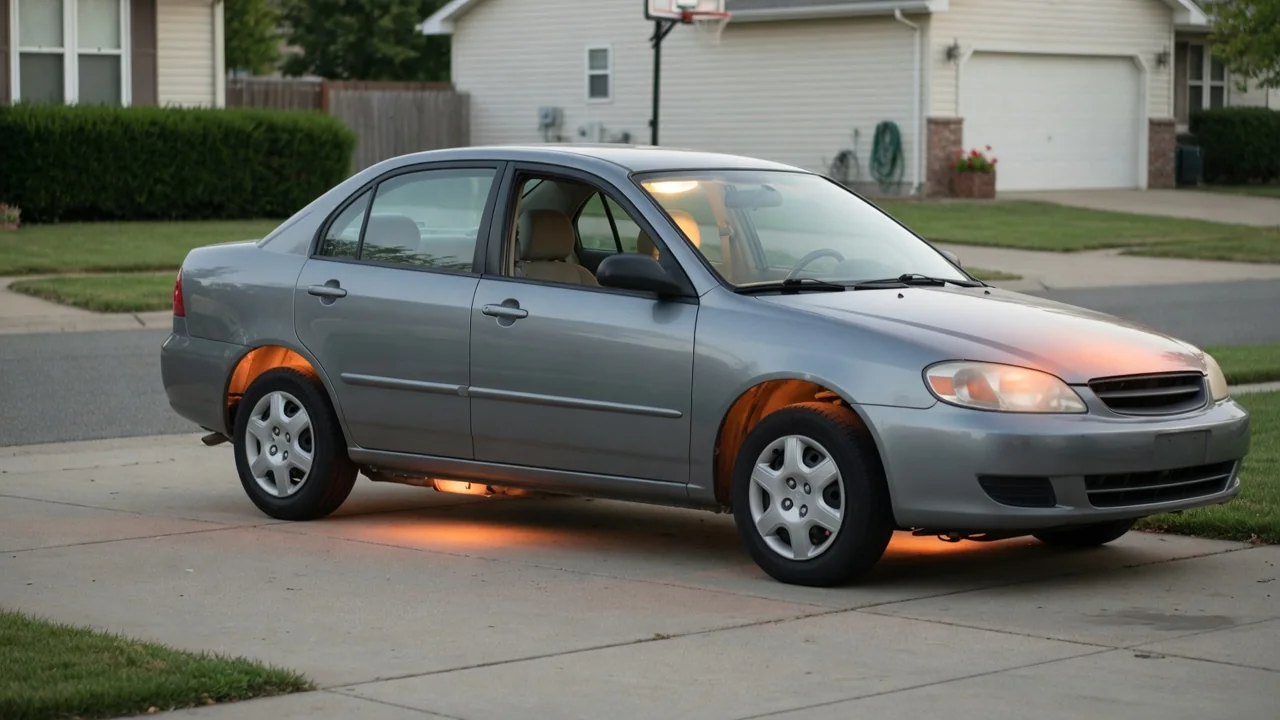
When a car makes buzzing noise, the sound rarely names the failed part on its own. Buzzing while running or driving can come from relays, a fuel pump, loose interior trim, exhaust resonance, heat shield vibration, or other electrical sources. Location and whether the tone tracks engine speed or road speed usually matter more than the word buzz. Recording when it starts and where it seems to sit helps a technician inspect the right area first.
Locate the Buzz and Record When It Happens
A buzzing sound alone cannot identify a failed component. The same tone can travel through the body, so the cabin location you hear may not match the source. Note whether the car making buzzing noise does so at startup, while idling, during acceleration, or at a steady road speed. A tone that rises and falls with engine speed often points toward rotating or electrically driven hardware under the hood or in the dash, while a tone that follows road speed more often involves tires, driveline, or underbody parts that move with the vehicle.
Distinguish those patterns from memory of ordinary driving rather than by running extra tests on the road. If the vehicle is safely parked, a short recording of the idle or key-on sound can capture pitch and rhythm that are hard to describe later. During a normal trip, a passenger can record the noise without changing how you drive. Write down accessory settings, climate fan speed, and whether the buzz appears only after the engine warms. Those notes keep inspection focused when vibration has already spread through panels and mounts.
Buzzing Behind the Dashboard or Around Interior Trim
Loose interior trim, a rattling console item, a vent louver, or a panel that has lost a clip can create dashboard vibration that sounds electrical even when it is only plastic touching plastic. Coins, phone mounts, and stored items in cupholders often buzz against hard surfaces once the engine or blower starts moving air. Changing the climate fan setting while parked can help localize a sound toward the blower area if the pitch or volume changes with fan speed. That observation still does not prove which part is responsible, because ducts and the instrument panel can carry the same vibration.
Before assuming a hidden mechanical fault, remove loose belongings from the dash, console, and door pockets and listen again while the vehicle is parked. If the buzz disappears, the source was contact, not a failed module. Owner inspection should stop at what you can see and hear without tools. Do not disassemble the dashboard, reach into airbag areas, or probe moving blower components. Interior panels sit over wiring, restraints, and HVAC parts that need professional handling when fasteners, ducts, or the blower assembly itself must be checked.
Electrical Buzzing Near the Dash or Engine Compartment
Electrical buzzing near the instrument panel or under the hood can include relay chatter from a control unit cycling a circuit, a transformer-like hum from a module, or noise from another electrically driven component. Hearing that sound does not establish an electrical fault, because a healthy relay can click or buzz briefly as it operates. Note whether lights flicker, starting is difficult, warning messages appear, or an accessory works only intermittently. Those accompanying signs give a technician more than a noise description and help decide which circuits deserve attention first.
A shop may need voltage, connection, and circuit tests before recommending a relay, ground, or other component, because swapping parts based on sound alone often misses a weak supply or corroded connector. Do not bypass a relay, probe live circuits, or reach near belts and cooling fans while the engine is running. If you smell smoke or a burning electrical odor, stop using the vehicle and arrange towing rather than continuing to hunt for the source. Heat and odor around wiring are reasons to treat the problem as urgent, not as a nuisance buzz.
Buzzing Near the Rear Seat or Fuel Tank
An electric fuel pump can produce an audible fuel pump hum during priming at key-on, or a lower drone while it runs, depending on the vehicle and tank mounting. That sound often seems to come from under the rear seat or the tank area because many pumps sit in the tank. A newly noticed buzz does not by itself prove pump failure. Document whether the hum lasts only a second, continues at idle, grows louder, or changes pitch, and pair that with any change in how the engine starts or runs.
Hard starting, stalling, or a sudden loss of power are reasons for professional diagnosis rather than waiting to see whether the noise fades. A technician can perform fuel-system testing as appropriate for that vehicle, including pressure and electrical checks that a sound description cannot replace. Do not open fuel lines or attempt to access the pump through the tank or underbody. A fuel smell or a suspected leak is a reason to stop using the vehicle, keep ignition sources away, and arrange assistance. Fuel vapor and leaking liquid are safety issues, not just noise clues.
Buzzing Under the Floor During Acceleration
A metallic buzz under the floor during acceleration often involves exhaust resonance, heat shield vibration, tired mounts, or a loose underbody panel that rattles against the structure once exhaust flow and engine load increase. A buzz at a particular engine speed, or one that appears mainly over rough surfaces, is a useful clue because it ties the noise to rpm, load, or road input. It still does not identify the exact component. A shield edge, a hanger, or a plastic splash guard can all produce a similar tone once they start to contact neighboring metal.
Apparent location inside the cabin can be misleading because the floor and body transmit vibration far from the contact point. A buzz that seems to sit under the driver's feet may originate several feet rearward along the exhaust or at a heat shield near a catalytic converter. Inspection that requires underside access belongs in a shop with a lift. Do not crawl under an unsupported vehicle, touch hot exhaust parts, or remove heat shields. Those parts can be sharp, loosely retained, and hot enough to burn well after the engine is shut off.
Decide Whether to Stop Driving or Schedule an Inspection
Pull over safely if buzzing arrives with smoke, a burning smell, fuel odor, severe vibration, loss of power, or any change that impairs steering or braking. Those signs move the problem out of the nuisance category. Exhaust fumes in the cabin also require stopping use and arranging help rather than continuing with the windows open, because ventilation does not fix a leak path into the passenger compartment. A persistent unexplained buzz without a warning light still deserves a prompt inspection; sound alone cannot confirm that continued driving is safe.
When you schedule that visit, hand the technician a short, specific account rather than only saying the car makes buzzing noise. Include the suspected location, when the sound began, how long it lasts, whether it tracks engine speed or road speed, climate or accessory settings that change it, and any related symptoms such as hard starting or flickering lights. A safely captured recording from a parked idle or an ordinary drive helps more than a vague imitation of the pitch. Those details let the shop start at the dash, tank, or underbody instead of hunting the whole vehicle.