Why Is My Car Heater Blowing Cold Air? Causes and Fixes
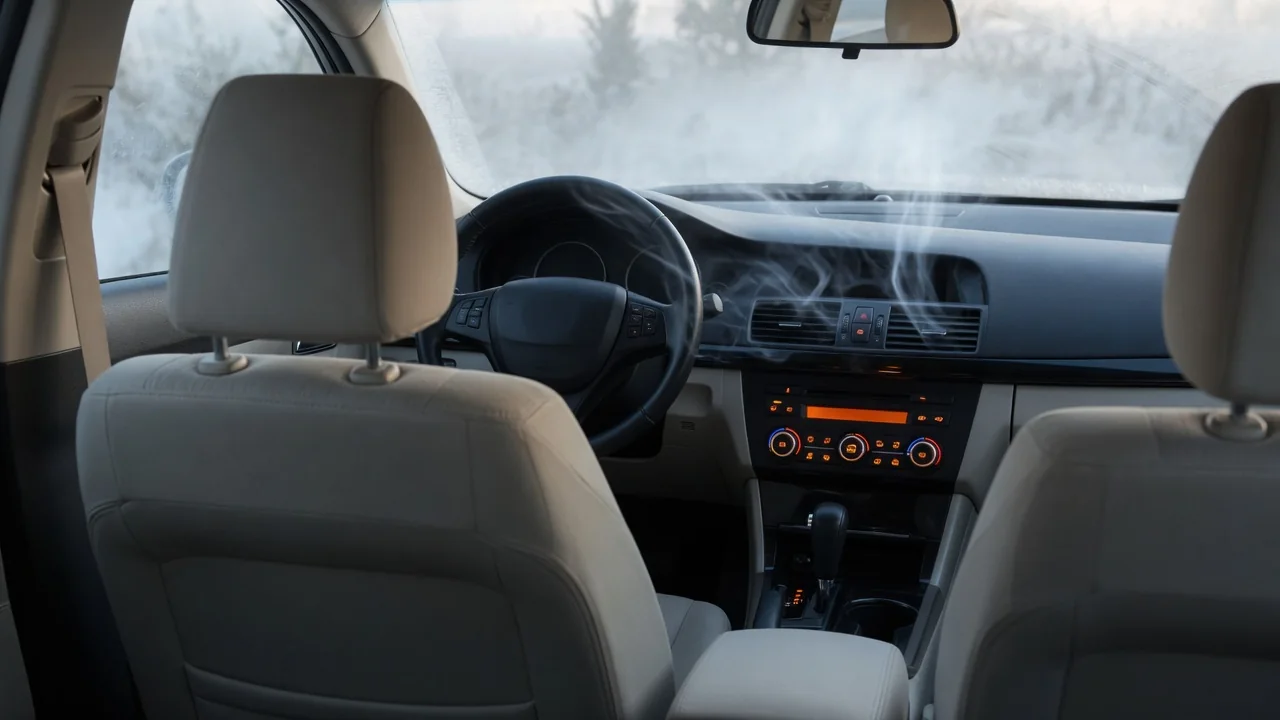
When a car heater is blowing cool air, or the heater in the car blows cold air with the controls on high, the blower is usually working. Most cabins take heat from engine coolant flowing through a heater core. Low coolant, a cool engine, trapped air, or closed cabin temperature controls can leave no hot air from the car heater. That sequence explains why the heater blows cold air and how to restore heat.
Identify When the Heater Starts Blowing Cold
In vehicles that use a coolant-fed heater, engine coolant carries heat into a small heat exchanger, the heater core, behind the dashboard. Cabin air is then blown across that core. If the car heater is not blowing hot air after a normal warm-up, decide whether the air stays fully cold, becomes only lukewarm, or loses heat intermittently. Warm air that is not hot, or a car heater not as hot as before, still means some coolant is reaching the core. Completely cold air after warm-up points to missing heat at the core or air that never takes that path.
While parked with the engine fully warm, set cabin temperature controls to maximum heat and cycle vent modes, including windshield defogging. Note whether the selected temperature, mode, and any separate climate-zone settings change the outlet temperature. If the car heater is blowing cold air on every setting, the heat source or blend path is suspect. Keep the diagnosis centered on air temperature whenever airflow is present. Weak or absent airflow is a different problem, often a blower, cabin filter, or duct issue, and should be recorded separately, not treated as proof the heater core is cold.
Check Coolant Safely and Recognize Urgent Warning Signs
Insufficient coolant can interrupt coolant circulation through the heater core, so the heater in the car is blowing cold air even though the blower runs. Low coolant may also indicate a leak. Check the visible reservoir level only with the engine fully cold and follow the owner's manual marks. Never open a hot cooling system; pressure and scalding fluid make that unsafe. A low cold coolant level is a reason the car heater is not getting hot, but topping the reservoir does not identify why fluid was missing.
From outside the engine bay, look for puddles, a sweet coolant odor, warning lights, and the dashboard temperature reading. Those observations help explain a heater blowing cold air without reaching into a hot compartment. Overheating, steam, or a temperature warning that appears with lost cabin heat is an urgent cooling problem, not a comfort issue. Pull over safely, shut the engine down, and arrange assistance. Adding coolant alone does not resolve the cause, and driving with a temperature warning risks damage and poor windshield defogging.
Understand Lukewarm Heat and a Stuck-Open Thermostat
A stuck-open thermostat can keep the engine from reaching its intended operating temperature, so cabin air stays only lukewarm. Coolant then circulates through the radiator too soon, and the heater core never gets a full heat supply. That is why the thermostat affects the heater in a car: engine operating temperature sets how hot the core can become. Slow warm-up and a persistently low temperature indication are useful clues, especially if the car heater is not heating up on a short trip. Weather and light-load driving can also delay warm-up, so those conditions belong in the history.
A dashboard gauge or weak heat alone cannot confirm thermostat failure. A heater in the car that is not getting hot, or a car heater that is not warm enough, can also come from low coolant, cooling system air pockets, or a restricted heater core. A technician should verify actual coolant temperature and thermostat operation before replacement is recommended. Until that confirmation, treating a lukewarm heater as a failed thermostat can miss a leak or an air pocket and leave the car blowing cold air when the heater is on after the next fill.
Consider Trapped Air When Heat Is Inconsistent
Trapped air can disrupt coolant circulation through the heater core, so heat comes and goes even when the engine seems warm. Ask whether the heater started blowing cold air in the car after cooling-system service, coolant loss, or a refill. Cooling system air pockets often collect at high points, and the heater core is a common one. Dashboard gurgling during warm-up is another clue that air may be moving through the passages. Those details help explain why the heater in the car is not blowing hot air only some of the time.
Treat intermittent heat and gurgling as clues that require confirmation, not as proof of an air pocket. A blend door that sticks, a thermostat that is only partly open, or a heater core that is beginning to restrict flow can also keep the heater from heating in the car. Leak diagnosis and air removal require the vehicle's specified procedure. Leave bleeding instructions and any hot-system work to a qualified technician. Opening a warm cooling system to chase an air pocket is unsafe and can introduce more air if the fill method is wrong.
Investigate Blend Door Faults and Heater Core Restrictions
The blend door directs air through the heating path or around it. If a blend door actuator or a control fault leaves that door on the cold side, the heater blows cold air in the car even when the engine and heater core are hot. Record clicking behind the dashboard, no response to temperature adjustments, or uneven heat across climate zones. None of those symptoms is conclusive by itself. Dual-zone systems can leave one side cold while the other is warm, often from a door or actuator on that zone.
A restricted heater core can limit heat transfer even when the engine reaches normal operating temperature, leaving the car heater not blowing warm air or only barely warm. A sweet cabin odor, damp carpeting, or a persistent windshield film can be heater-core leak clues that need inspection. Professional checks include actuator movement, control commands, heater-core flow, and inlet versus outlet temperatures. Dashboard disassembly and hands-on checks of hot hoses are not owner tasks. Those tests separate a cold blend path from a clogged or leaking core and show how to make a car heater warmer by fixing the actual restriction.
Restore Heat by Repairing the Confirmed Cause
How to fix a car heater blowing cold air depends on what testing confirmed, not on a single guess. Repair coolant leaks, correct the coolant level and trapped air, replace a failed thermostat, repair blend-door controls, or address a restricted or leaking heater core as the evidence requires. Coolant selection, filling procedures, and whether heater-core cleaning is suitable depend on the vehicle; skip universal additives and generic flushing advice. Give the shop warm-up behavior, temperature readings, recent coolant work, odors, and how settings changed the air. That history shortens diagnosis when the heater is not working and blowing cold air.
After repair, confirm steady cabin heat, effective windshield clearing, normal engine temperature, and a stable coolant level checked only when cold. Those checks show whether the car heater is hot again and whether the fix held. If the heater in the car is still blowing out cold air after a full warm-up, return to the shop with that observation rather than adding coolant as a way to make the heater hotter. Do not drive when windshield defogging cannot keep visibility. Restored heat should stay consistent, not briefly warm then cold.