Why Is My Car Beeping? Common Warning Chimes Explained
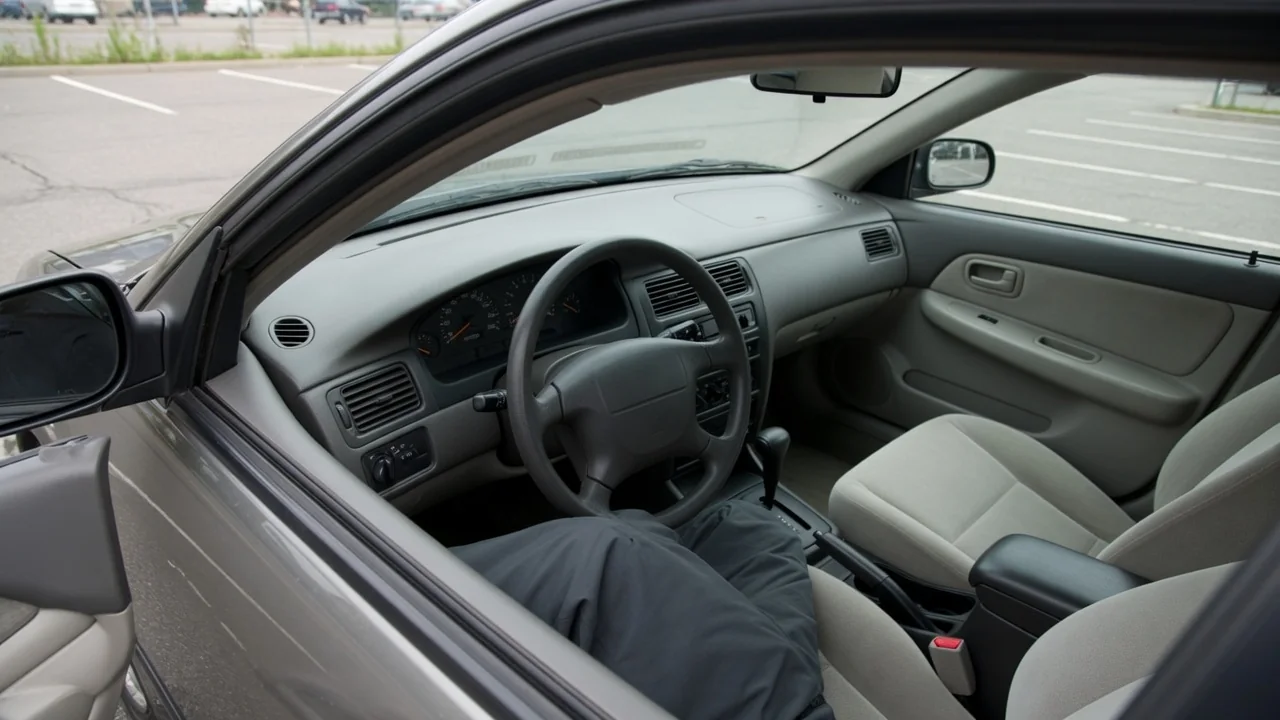
A car beep noise is a prompt, not a diagnosis. The same car beeping noise can signal a seat belt reminder, a door ajar warning, key detection, a lights-on reminder, a parking sensor alert, or a fluid warning, depending on equipment and circumstances. A beeping noise in car cabins should be matched to timing, any dashboard message, and what the vehicle is doing. Aftermarket electronics can add sounds that have nothing to do with a factory warning chime.
Match the Beep to Its Timing and Dashboard Clues
A warning chime by itself does not name a fault. Meaning depends on the vehicle, its equipment, any accompanying dashboard message, and what is happening at that moment. Note whether the sound starts with ignition, continues while moving, appears during parking, or continues after the engine is switched off. A startup-only reminder often points to belts, doors, or a displayed status, while a tone that begins only in reverse more often belongs with parking aids than with a key-left-inside alert.
Once you can stop safely, read the exact wording on the instrument cluster and compare it with the owner's manual rather than guessing from the tone. Apparent direction of the sound and how often it repeats can hint at a reminder versus a proximity alert, yet neither location nor pattern confirms the cause. Many cabins bounce audio, and aftermarket electronics can sit near factory speakers. Treat the chime as a cue to gather displayed information and operating context, not as proof of a failed part.
Check Seat Belt Reminders and Open-Door Warnings
An unfastened seat belt or an incompletely closed door, hood, or liftgate may trigger a warning chime, depending on equipment. A seat belt reminder often continues until occupied belts are fastened, and a door ajar warning may appear with a cluster icon or text. Objects left on a passenger seat can trigger an occupancy-related reminder in some vehicles even when no one is sitting there. Move those items only after you have parked, then listen again.
Check closures and occupied-seat belts only when it is safe to do so, and do not bypass warning systems with clips, disconnected sensors, or taped latches. A door that looks shut can still sit off its striker, and a belt that is merely draped over a lap may not satisfy the buckle switch. If the chime and message persist after every occupied belt is properly fastened and every closure is fully latched, the latch, switch, or occupancy logic needs inspection rather than further driving workarounds.
Recognize Key and Lights-On Reminders
Some vehicles chime when a key is left inside, when key detection fails, or when exterior lights remain on after the ignition is off, but those reminders are equipment-dependent rather than universal. Ignition state, an open driver's door, and the exact dashboard message help narrow the cause. A tone that starts as you open the door with the lights still selected often belongs with a lights-on reminder. A message about a fob not detected points toward key detection rather than a bulb or switch failure.
While parked, confirm where the key actually is and check exterior-light settings, including auto lamps that can stay on in low light. A reminder is not the same as a confirmed component failure. A single missed detection after a low fob battery or a crowded cupholder is still a reminder event. Persistent key detection problems, repeated no-key messages with a known-good fob, or lights that stay on without a matching display need vehicle-specific guidance rather than assuming a failed ignition switch or lamp.
Understand Beeps During Parking and Low-Speed Maneuvers
Equipped parking sensors and other driver-assistance features can produce a parking sensor alert as you reverse or creep toward an object. The alert's timing during a low-speed maneuver can suggest its source without proving it. A tone that quickens as you close a gap is consistent with proximity sensing, while a single chime at the start of reverse may only mean the system has become active. Neither pattern confirms a failed sensor, a real obstacle, or a false detection from a curb, trailer hitch, or slope.
Stop before you look around. From a standstill, check for nearby obstacles and for visible dirt, snow, or ice on accessible bumper sensors, without crawling under the vehicle or reaching into moving parts. Direct observation of the surroundings matters more than the tone. A silent system does not establish clearance, and a persistent unexplained alert still needs professional inspection. Do not treat a clean-looking bumper as proof the hardware is healthy, and do not keep reversing solely because the chime paused.
Read Fluid and Other Urgent Warning Messages
A fluid warning or another urgent dashboard message may arrive with a chime, yet the sound does not identify the affected system. Read the exact display and the vehicle manual to distinguish a fluid-level message from a pressure or temperature warning. Wording about low washer fluid is not the same as an oil-pressure warning, a coolant-temperature indication, or a brake-system message. Guessing from pitch or repetition can send you toward the wrong reservoir and away from a stop instruction that actually matters.
A displayed instruction to stop, a braking problem, an overheating indication, or an oil-pressure warning calls for stopping safely and arranging appropriate assistance. Do not open a hot cooling system, and do not treat topping up fluid as a universal response. Level messages and pressure messages describe different conditions, and adding fluid will not correct a leak you have not identified or a lubrication problem that needs the engine shut down. Follow the manual's immediate actions, then have the vehicle inspected rather than continuing on a chime alone.
Trace Random Beeps That Have No Obvious Warning
Not every car beep noise comes from the vehicle. Phones, navigation prompts, dash cameras, and aftermarket electronics can produce a beeping noise in car interiors that has no matching cluster warning. Bluetooth pairing tones, charging alerts, and radar-detector chirps often sit near the windshield or console and can be mistaken for a factory warning chime. Assume the vehicle is responsible only after you have considered connected devices. A tone that follows a phone notification or a camera event is still a cabin sound, just not a vehicle fault.
After parking safely, note connected devices, road conditions, what the vehicle was doing, and any briefly displayed messages. Check familiar device notifications and settings without disconnecting vehicle wiring or disabling safety alerts. Recurring unexplained car beeping noise still needs professional diagnosis. Share when it happens, whether a dashboard message appeared, and any change in operation such as a warning lamp, odd shift feel, or loss of a parking aid. Those observations help a technician separate an accessory chirp from a genuine vehicle alert.