Why Is Extra Time Useful in a Road-Trip Plan?
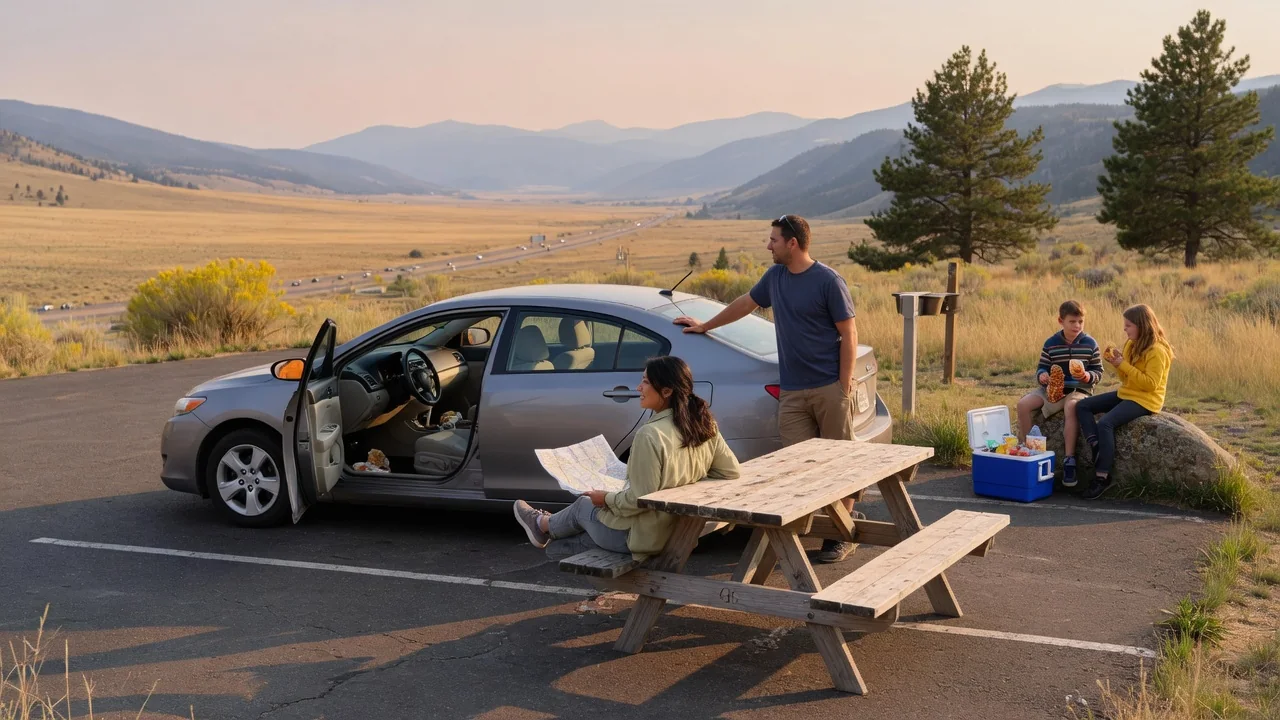
A navigation app's arrival estimate assumes the road ahead stays the way it looks right now. Anyone asking why is extra time useful in a road trip plan is really asking what happens when that assumption breaks. Traffic, weather, fatigue, and the vehicle itself all add minutes that no map can predict, and a cushion absorbs them without forcing rushed decisions.
Traffic and weather
Congestion rarely announces itself far in advance. A construction zone that narrows a highway to one lane, a crash that closes a shoulder, or commuter volume around a city at the wrong hour can turn a short stretch into a long crawl. Stop-and-go driving also changes how the vehicle behaves: fuel economy usually drops, brakes work harder, and an engine or transmission towing a trailer may run warmer than it does at steady cruising speed. A cushion in the plan lets the driver sit through the slowdown instead of weaving between lanes.
Weather works on both the road and the vehicle. Heavy rain reduces visibility and tire grip, so safe speeds fall well below the posted limit, and following distances need to grow. Strong crosswinds push tall vehicles, roof boxes, and trailers around, while snow or ice may close mountain passes entirely. How much a given car is affected depends on its tires, weight, drive layout, and ground clearance, so two vehicles on the same road can need very different speeds. Spare hours let the driver slow down or wait out a storm.
Rest stops
Most trip estimates count only the time the wheels are turning. Real stops take longer than expected: finding the exit, waiting for a pump or a charger, standing in a restroom line, buying food, and merging back onto the highway. A stop imagined as five minutes often becomes twenty, and several of those across a long day add up to a meaningful gap between the planned and actual arrival. Travelers with children, pets, or older passengers typically stop more often and stay longer each time.
Rest also protects the driver. Fatigue builds gradually, and its signs are easy to notice when one is honest about them: drifting within the lane, missed exits, heavy eyelids, or trouble remembering the last few miles. A tight schedule tempts people to push through those warnings, while a relaxed one makes pulling over for a walk, a meal, or a short nap an easy choice. Rest areas can also be full or closed, especially for larger vehicles, so room to continue to the next one matters.
Vehicle needs
The vehicle sets its own timetable. A gasoline or diesel car needs fuel stops whose spacing depends on tank size, load, speed, and terrain, and stations in rural areas may be far apart or closed overnight. An electric vehicle adds charging sessions whose length varies with battery temperature, charger output, and how many other drivers are waiting. Range in any vehicle tends to shrink with headwinds, long climbs, cold weather, roof cargo, or a trailer, so the stop that looked optional on paper can become necessary earlier than planned.
Small mechanical matters also consume time. A tire pressure warning deserves a stop to check the tires with a gauge, since the light may reflect a temperature swing or a slow leak, and only an inspection tells which. A warning lamp or stored fault code is evidence to interpret rather than proof that a specific part has failed, and what it means differs by manufacturer. Topping up washer fluid, cleaning a bug-covered windshield, or re-securing shifting cargo are minor tasks, yet each one needs minutes that a rigid schedule does not contain.
Everyday Use and Observations
Ordinary driving habits offer a good preview of how a long trip will unfold. Drivers who note how far their vehicle actually travels on a tank or a charge during mixed driving, rather than trusting the displayed range alone, tend to plan more realistic stops. The same applies to comfort: if a familiar two-hour drive already leaves someone stiff or restless, a full day behind the wheel will call for more breaks. A fully loaded car also accelerates, brakes, and corners differently from the same car on a weekday commute.
On the road, a few observations help show whether the plan is holding. Comparing the navigation system's arrival estimate at each stop reveals how quickly the margin is being spent. The trip computer shows whether consumption is running higher than usual, and gauges or the instrument display show whether temperatures stay in their normal range on long grades. Passengers are another signal, since irritability and silence often appear before anyone admits to being tired. What counts as normal differs between vehicles, so the owner's manual remains the reference for unfamiliar readings.
Limits and Next Steps
Extra time reduces pressure, but it cannot guarantee an arrival. A long road closure, a breakdown, or severe weather can outlast any reasonable cushion, and no general rule fits every route, season, or vehicle. For that reason, fixed commitments such as ferry departures, event start times, or check-in deadlines deserve more margin than open-ended legs, and it helps to know in advance what can be rescheduled. A buffer is best treated as room to make calm decisions, never as time to be recovered by driving faster.
Preparation before departure makes the margin go further. Checking tire condition and pressures, fluid levels, lights, and wipers, and addressing any existing warning lights with a qualified technician, lowers the odds of an unplanned stop. Looking at forecasts and road condition reports for the whole route helps identify the legs most likely to slow down, and noting alternate routes or possible overnight stops gives the plan somewhere to bend. Sharing a flexible arrival window with whoever is waiting, rather than a single time, keeps expectations aligned with how road travel actually behaves.