Why Ignition Coils Fail and How Long They Last
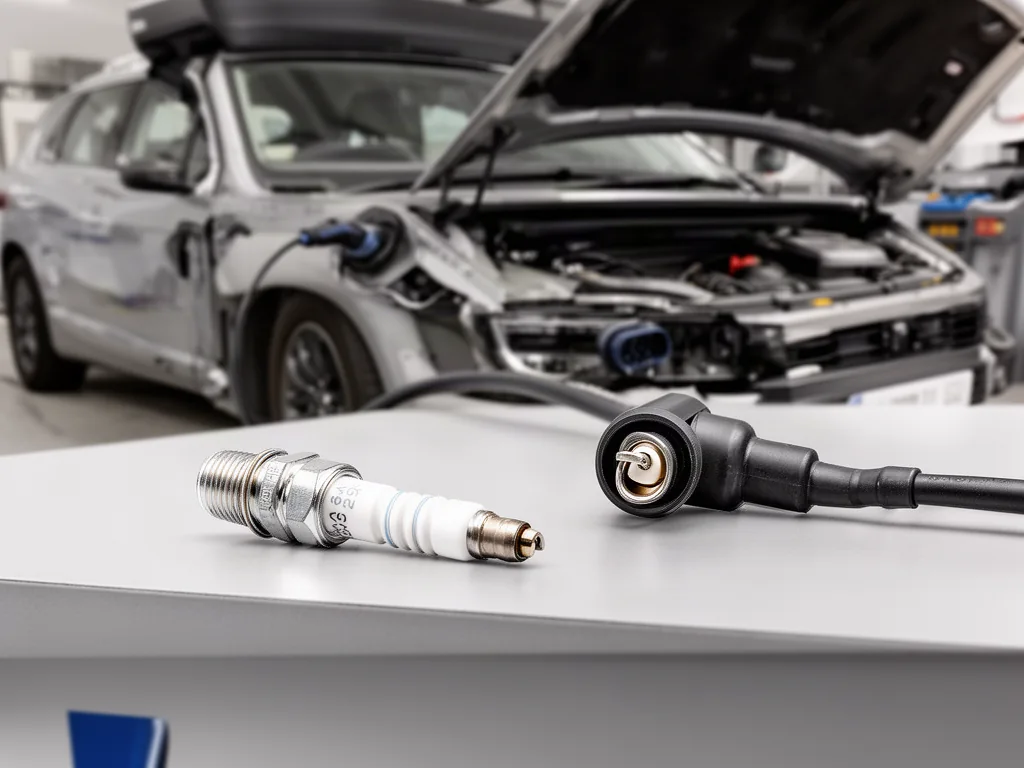
Ignition coils can last for many years, yet there is no universal ignition coil lifespan that applies to every vehicle. Heat, worn plugs, moisture, vibration, and oil contamination all influence how long an ignition coil lasts and what causes ignition coil failure. Understanding those stresses, why a coil may fail when hot, and when testing rather than mileage should decide replacement helps you interpret symptoms without replacing parts on guesswork.
How Long Ignition Coils Can Last
An ignition coil can remain serviceable for many years of normal driving, but there is no single dependable ignition coil life span for every engine. Operating heat, accumulated use, the condition of related components, and exposure to moisture or oil all affect longevity. Some coils outlast several spark-plug services, while others fail earlier when they sit in a hot, vibrating environment with neglected plugs. That is why there is no single schedule for how often you should replace an ignition coil.
Age and mileage alone cannot establish whether a coil needs replacement, because a high-mileage coil that stays cool and dry may still fire reliably, while a lower-mileage coil can fail after severe heat cycling. How often to change or replace an ignition coil therefore follows condition and diagnosis rather than a calendar. Consult the vehicle-specific maintenance information for any scheduled ignition service rather than assuming a generic mileage cutoff.
How Heat and Vibration Damage Ignition Coils
Repeated heating and cooling, known as heat cycling, gradually degrade ignition coil insulation and the protective materials that keep high voltage inside the winding. Engine vibration and insecure mounting add mechanical stress to coil housings and electrical connections, which can loosen terminals or crack housings. Over time those combined loads are a common answer to what causes an ignition coil to go bad, especially on engines that run hot and transmit strong vibration through the valve cover or coil bracket.
Cracking or damaged insulation can allow electrical leakage, so the coil no longer delivers a consistent spark even though it still looks intact from the outside. That leakage is one of several things that cause an ignition coil to fail, but a failed coil does not, by itself, identify the condition that caused its failure. Heat, vibration, contamination, or a combination may be involved, so inspection of mounting, connectors, and nearby components is part of understanding what causes ignition coil failure rather than treating the part as the whole story.
How Worn Plugs, Moisture, and Oil Contribute to Failure
Spark plug wear and an excessive spark plug gap raise the voltage needed to jump the gap and fire the mixture. That extra demand stresses ignition coil insulation and can shorten coil life even when the coil itself was originally sound. A worn plug that once fired easily may force the winding to work at a higher electrical load, which is a frequent factor in what causes an ignition coil to go bad. Keeping plug condition within the vehicle’s specified range reduces that avoidable stress.
Moisture intrusion around a coil boot and electrical connections can promote leakage paths or corrosion that interrupt spark delivery. Oil contamination in spark plug wells can swell, soften, or track across a boot and insulation, depending on the materials and how long the oil remains. When coils fail repeatedly, plug condition, fluid leaks, and damaged connections need attention; otherwise the same environment that caused ignition coil failure will attack the replacement. Addressing those contributors is as important as swapping the coil.
Why a Coil May Fail When the Engine Gets Hot
An ignition coil that fails when hot often has an internal insulation or connection fault that is intermittent while the engine is cool. As temperature rises, insulation resistance can drop or a weakened joint can open, interrupting spark on that cylinder. Drivers may notice an intermittent misfire that appears only after warmup. Heat does not always create a new failure in a single trip; it can simply reveal damage already underway from heat cycling, vibration, or contamination.
Possible observations include rough running, hesitation, or difficult restarting after the engine warms up, then smoother behavior after a cooldown. Improvement after cooling does not confirm a coil fault, because fuel delivery, sensors, and other ignition parts can produce similar heat-related symptoms. Record when the problem appears at idle, cruise, or after a hot soak, and have a technician test the vehicle under the conditions that trigger it. That approach answers whether the coil is the cause instead of replacing parts based on temperature alone.
When Symptoms Justify Testing and Replacement
Persistent misfires, a rough idle, loss of power, and a check-engine warning warrant diagnosis, but they do not uniquely identify a failed coil. Injectors, plugs, wiring, vacuum leaks, and mechanical problems can produce the same drivability complaints. A misfire code identifies a detected problem on a cylinder or bank; it is evidence to interpret, not proof that the coil has failed, and it is insufficient by itself to decide when to replace an ignition coil. Testing must separate coil faults from those other causes.
Replacement is appropriate when testing establishes a coil fault or inspection finds cracked insulation, a damaged boot, or a connection that cannot be restored. If the check-engine light flashes or the engine shakes severely, stop safely and seek assistance; continued misfire can overheat and damage the catalytic converter. Limit owner checks to safe observations with the engine off and cool, such as looking for oil in plug wells, a loose connector, or a cracked housing. Leave energized ignition testing to a qualified technician.
How to Decide Whether Coil Replacement Is Due
When to change an ignition coil generally depends on confirmed condition and diagnosis, with vehicle-specific guidance governing any scheduled requirement. There is no universal rule for how often you should replace an ignition coil during ordinary ownership. Routine spark plug service does not automatically establish a need to replace functioning coils; a coil that tests within specification and shows no damage can remain in service. Use the maintenance information for that vehicle rather than assuming coils and plugs always change together.
Whether to replace additional coils depends on the ignition system design, the condition of the remaining coils, and confirmed findings, not on a habit of changing every coil at once. Some layouts share a coil pack; others use a coil on each plug, so neighbor condition still has to be inspected rather than assumed. After repair, addressing contributing faults such as worn plugs, oil leaks, moisture, and loose electrical connections, then verifying normal operation, helps keep an unresolved problem from returning and clarifies the true ignition coil lifespan on that engine.