Why Electric Cars Make Noise: Pedestrian Alerts and Normal Sounds
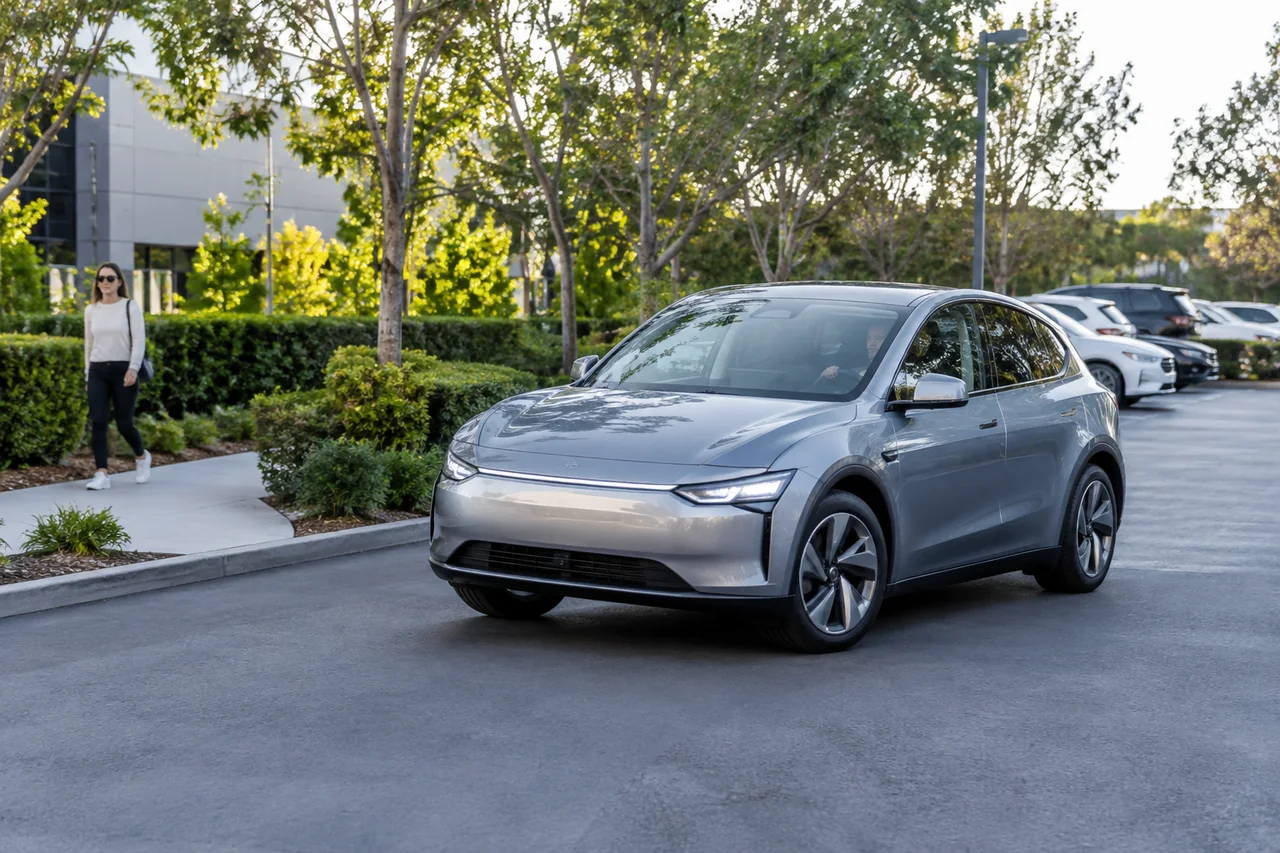
Electric cars are often praised for their quietness, but owners frequently notice sounds they did not expect. An electric car noise can come from pedestrian alert systems, the electric motor, cooling fans, pumps, or high-voltage switches. Distinguishing normal operating sounds from those needing attention starts with understanding where and when a sound occurs. This guide explains common sources of electric vehicle noise and how to judge whether a sound is part of normal operation or a sign that service is needed.
Identify When and Where the Sound Happens
Electric cars generate sound from several systems even though they lack a combustion engine. At low speeds, an acoustic vehicle alerting system emits a pedestrian warning sound so nearby people can hear the car approaching. During acceleration, the electric motor and power electronics produce a whine that changes with speed. While parked or charging, cooling fans, coolant pumps, and climate-control equipment may run to manage battery and cabin temperatures. High-voltage contactors click during startup and charging transitions. The first step is to observe when and where the sound occurs and whether it appears tied to movement, charging, or climate use.
A sound by itself rarely proves a component is failing. Context matters: a brief click during startup is likely a contactor, while a new grinding noise during braking may indicate a problem. Owners should note changes over time, dashboard warnings, and vehicle behavior. The owner’s manual typically includes a section on normal operating sounds for that model, describing expected alerts and system noises. Comparing the observed sound with those descriptions helps determine whether the noise is typical. If the sound does not match or is accompanied by performance issues, further inspection is justified.
Why Pedestrian Alerts Sound at Low Speeds
Most electric vehicles are required to emit an external acoustic vehicle alerting system sound when moving at low speeds, because the near-silent drivetrain can make the car hard for pedestrians to notice. The alert is often a synthesized tone or humming that may vary with speed or direction. Some vehicles play a different sound in reverse, and the exact activation range depends on the manufacturer and market regulations. The purpose is not to eliminate risk but to give vulnerable road users an additional cue that a vehicle is nearby.
Drivers should not assume that the pedestrian warning sound guarantees a pedestrian has heard or seen the car. Visual scanning and cautious low-speed maneuvering remain essential. If the alert seems absent, the owner’s manual can confirm how it should behave, but diagnosing or modifying the system is not advised. Disabling or altering the alert may violate regulations and create safety risks. If a malfunction is suspected, arranging service with a qualified technician is the appropriate step, rather than attempting to adjust wiring or speakers.
Motor Whine During Acceleration and Slowing
The electric motor and its associated power electronics naturally produce a tonal whine during acceleration and deceleration. The frequency of this electric motor whine typically rises with motor speed, so the pitch changes as the vehicle speeds up or slows down. Regenerative braking often alters the sound because the motor switches to generating electricity, which can change the magnetic and electronic noise signature. A steady, familiar whine that has been present since the vehicle was new is usually an expected characteristic of that drivetrain.
A new or changing whine, especially when accompanied by vibration or reduced performance, may indicate a developing issue. However, written sound descriptions cannot reliably identify whether a bearing, gear, or power electronic component is failing. Because electric drivetrains are tightly integrated, many possible causes exist for similar noises. If the whine grows louder over time, changes pitch erratically, or appears only during regenerative braking while also causing a shudder, a professional inspection is warranted. Attempting to pinpoint the source from sound alone risks overlooking a serious fault.
Fans, Pumps, and Climate-Control Sounds While Parked
Even when the car is parked, an electric vehicle can produce humming, airflow, or fluid-circulation sounds. Battery thermal management may run a cooling fan and an electric coolant pump to keep the pack within a safe temperature range, especially during or after charging. The cabin climate-control system may operate a compressor for air conditioning or a heat pump for heating. These systems can switch on automatically, even with the car off, based on battery temperature or scheduled cabin preconditioning.
To understand whether such sounds are normal, note the ambient temperature, whether the vehicle is charging, and the climate-control settings. For example, a fan running during a hot day after a fast charge is often expected thermal management. However, persistent new sounds, visible coolant leakage, temperature warnings on the dashboard, or reduced cooling performance call for professional assessment. Owners should not open cooling system caps or inspect high-voltage cooling loops themselves; the systems can be pressurized and contain electrically conductive fluid.
Clicks and Clunks Around Startup and Charging
Clicks and clunks around startup, shutdown, and charging often come from high-voltage contactors. These are heavy-duty electrical switches that connect and disconnect the traction battery from the rest of the vehicle. When the car is turned on or plugged into a charger, the contactors close with an audible click. Charge-port locks and other actuators may also produce brief mechanical sounds as they engage or release. A single click at a repeatable transition, such as pressing the start button or plugging in, is generally a normal part of the electrical system's operation.
An isolated click does not identify its source or prove a fault, because other relays and solenoids may activate at similar times. However, repeated rapid clicking, especially when accompanied by a failure to start, interrupted charging, or dashboard warnings, suggests a problem that needs diagnosis. Drivers should not attempt to access high-voltage components, contactors, or charging equipment. Instead, if unfamiliar clicking prevents normal operation, the vehicle should be assessed by a qualified technician who can safely test the switching systems.
Changes in Noise That Need Professional Attention
Certain changes in noise are clear reasons to arrange professional inspection. New grinding, scraping, persistent knocking, or a sound that rapidly worsens over days or weeks should not be ignored. A grinding noise during braking, for example, may indicate worn pads or a foreign object, while a scraping sound that changes with steering could involve suspension or drivetrain components. Without assigning a specific failed part, these patterns suggest that continued operation risks further damage and possible safety hazards.
Noises accompanied by altered braking or steering, severe vibration, or loss of power require stopping safely and seeking assistance. Documenting the sound helps a technician: note when it occurs, its approximate location, driving conditions, and any warning messages. Recordings should be made only while safely parked or by a passenger. If smoke, a burning smell, or an urgent vehicle warning appears, stop the vehicle in a safe area, move away if appropriate, and follow emergency guidance. Do not touch charging equipment or high-voltage components, and contact emergency or roadside assistance as needed.