Why Does Regen Feel Different at Low Speed?
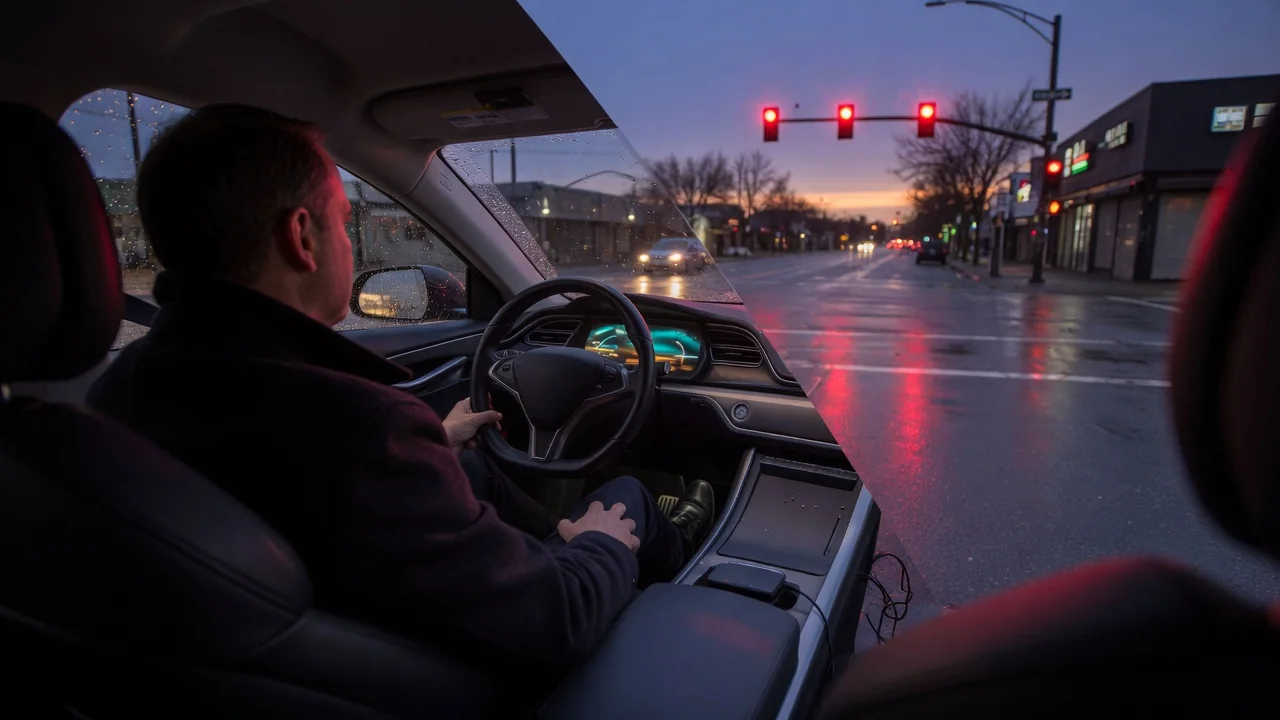
If you drive a hybrid or electric vehicle, you may notice that regenerative braking at low speed does not behave the way it does at higher speeds. As the car slows to a crawl, deceleration can soften, change character, or shift to the regular brakes. Three things explain this: basic motor physics, the way the brake system blends regen with friction braking, and deliberate calibration choices. Here is how those pieces fit together.
Motor capability: why recovered power shrinks as speed drops
During regeneration, the traction motor works as a generator and converts the vehicle's kinetic energy into electrical energy. The voltage it produces, often called back electromotive force, rises with rotor speed. At highway speed that voltage is substantial, and the power electronics can push current into the high-voltage battery fairly easily. As the car slows, the rotor spins more slowly, the generated voltage falls, and the recoverable power falls with it. Mechanical power is the product of torque and rotational speed, so even if the motor applied the same braking torque at walking pace as at moderate speed, the energy flowing back would be a small fraction of the earlier amount.
Losses do not shrink in the same proportion. Resistance in the motor windings, switching losses in the inverter, and the energy needed to maintain the magnetic field keep consuming energy regardless of how much is being recovered. Near a stop, these losses can eat up most or all of what the motor generates, so the net gain to the battery approaches zero. At very low speed, holding meaningful braking torque with the motor can even require drawing energy from the battery instead of returning it. This is the main reason many systems reduce or phase out regenerative torque as the vehicle approaches a standstill.
Control also plays a part. In some motor and control designs, precise torque control is harder at very low rotor speed, and small errors can show up as jerks transmitted through the driveline. Engineers therefore often shape low-speed torque requests conservatively. At higher speeds the situation is different: regen is usually limited by power constraints, such as battery charge acceptance, temperature, and motor and inverter ratings, not by the physics of slow rotation.
Friction blending: handing off to the hydraulic brakes
In most hybrids and EVs, pressing the brake pedal requests a total amount of deceleration, not a specific hydraulic pressure. A control unit decides how much of that request the motor can cover and supplies the rest with conventional friction brakes. This process is called brake blending. When regenerative capacity is high, the friction brakes may do relatively little during moderate stops. As regen capacity tapers off at low speed, the system has to raise friction braking at the same rate so the total deceleration still matches what the driver asked for.
The handoff is where differences become noticeable. Hydraulic pressure has to build in the calipers, pads must close up their running clearance, and friction varies with temperature, moisture, and wear. Motor torque, by contrast, responds almost instantly and very predictably. Matching a fast, precise actuator with a slower, more variable one during a brief transition is difficult, so small mismatches can appear as a momentary dip or surge in deceleration. Brake-by-wire systems that separate the pedal from direct hydraulic pressure can hide much of this from the driver's foot. Systems with a more direct hydraulic connection may let some of the change reach the pedal.
Blending depends on more than speed. A full or cold battery, stability control intervention, low-traction surfaces, or a system fault can reduce or cancel regen and shift more work to the friction brakes. On slippery roads, many systems cut back motor braking, because in many layouts it acts on only one axle and could unsettle the car. These factors can make low-speed braking feel different from one drive to the next, even in the same vehicle.
Driver feel: what changes at the pedal and in the seat
Drivers usually notice low-speed regen differences in a few specific ways. With lift-off regen, the car may decelerate firmly at moderate speed, then ease off as it nears a crawl, sometimes settling into a gentle creep that imitates an automatic transmission. In one-pedal modes, the motor may keep slowing the car to a full stop, and some vehicles then apply the friction brakes to hold it in place. Whether a car creeps, coasts, or stops by itself at low speed is a calibration choice, not a fixed property of regenerative braking.
Pedal feel can shift as well. Because the brake controller is redistributing work between the motor and the friction brakes, the relationship between pedal travel and deceleration may not feel perfectly linear at the end of a stop. Drivers sometimes describe this as the brakes grabbing, fading, or feeling slightly numb in the final moments. Sound adds to the impression: the motor's characteristic whine drops in pitch and volume as speed falls, while brake noise may become audible once friction takes over.
Many of these sensations are intentional compromises. Engineers balance smoothness, efficiency, stopping precision, and the expectations of drivers accustomed to conventional cars. A system tuned for maximum energy recovery might feel abrupt near a stop, while one tuned for comfort might hand off to friction earlier and recover slightly less energy. Different priorities lead to noticeably different low-speed behavior from one vehicle to another.
Practical implications and limits
For energy use, the slowest part of each stop contributes little to range. Kinetic energy scales with the square of speed, so most of what regen can recapture is available during the higher-speed portion of a deceleration. Smooth, early slowing from moderate speed tends to let the motor do more of the work, while hard or late braking pushes more of the job onto the friction brakes. Stop-and-go driving at crawling pace offers limited recovery no matter how carefully you drive.
Lighter use of the friction brakes has maintenance consequences. Pads and rotors may last longer, but brakes that are rarely applied firmly can develop corrosion or deposits on rotor surfaces, especially in wet or road-salt climates. Some vehicles are designed to exercise the friction brakes periodically. The owner's manual and service schedule are the right places to look for brake inspection guidance for a specific vehicle.
Keep the limits of a general explanation in mind. Regen modes, creep settings, blending strategy, and the speed at which handoff occurs differ by manufacturer, model, and software version, and they can change with updates. A smooth taper near a stop is normal behavior. A sudden jolt, inconsistent stopping, warning lights, or a pedal that feels unusually soft or hard should not be written off as regen character and is worth having checked by a qualified technician.