Why Does Rear Glass Heat Unevenly?
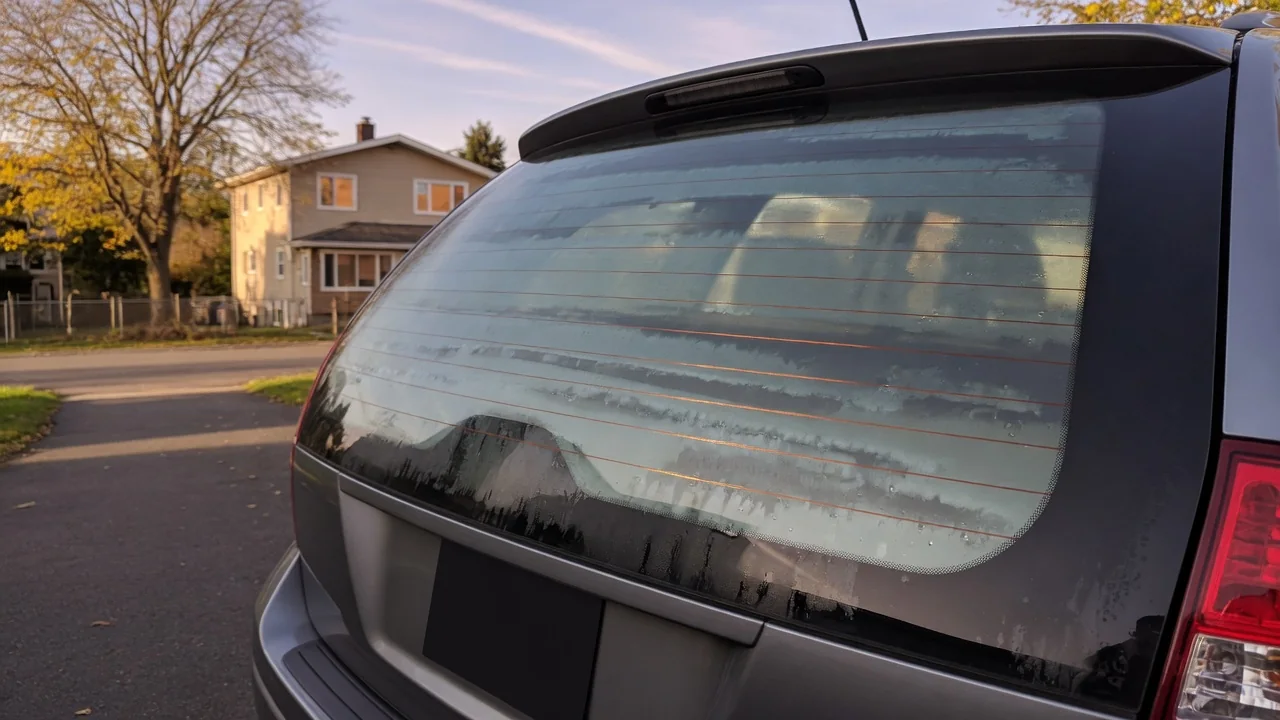
A rear defroster that clears some bands of the window while leaving others fogged or frosted is a common winter frustration. Understanding why does rear glass heat unevenly starts with how the heating grid is built, how its circuits can be damaged, and what the clearing pattern on the glass reveals. The explanations below cover the grid, typical faults, service options, and sensible next steps.
Grid lines
The thin horizontal lines across a rear window are resistive conductors, usually a silver-based ceramic material printed and baked onto the inside surface of the glass. Wide vertical strips at each side, called bus bars, feed current into every line at once. When the defroster is switched on, current passes through each line and the resistance turns electrical energy into gentle heat. Because the lines are wired in parallel, each one works largely independently of its neighbors, which matters when one of them fails.
Even a healthy grid does not warm the glass perfectly evenly. Heat begins at the lines and spreads outward, so clearing usually appears as narrow stripes that widen until they merge. Areas near the edges of the window, where the glass meets cold bodywork, often clear last. Grid layouts also differ by vehicle: some hatchbacks and SUVs route lines around a wiper mount, some add a separate zone for the wiper rest area, and some glass carries antenna traces that look similar but never heat.
Broken circuits
A single horizontal band that stays frosted while the rows above and below clear is the classic sign of a break in one grid line. The gap may be a scratch barely visible to the eye, yet it stops current through that entire line because each conductor depends on an unbroken path between the two bus bars. Common causes include cargo sliding against the glass, scraping ice or stickers off the inside, abrasive cleaning, and removal of old window tint film that lifts the printed material with it.
Other patterns point to different faults. If the whole window stays cold, the problem is more likely upstream: a fuse, relay, switch, wiring, or a terminal tab that has separated from the bus bar. Hatchbacks and liftgates add another weak point, since the wiring flexes through a harness boot every time the door opens and can fatigue over time. A line that is thinned rather than fully severed carries less current, so that row may clear more slowly than its neighbors.
Service
Diagnosis usually begins with the pattern on the glass, followed by electrical testing. A technician can check for supply voltage and ground at the grid terminals, then trace along a suspect line with a meter to find the point where the reading changes abruptly, which marks the break. A fogged window makes this easier, since the cleared and uncleared portions show where heating stops. Where the vehicle monitors the defroster circuit electronically, any stored fault code is a clue to interpret alongside these tests rather than proof that a particular component has failed.
Small breaks in a line are often repairable with conductive paint or a grid repair kit designed for the purpose, which bridges the gap and restores the path. A detached terminal tab can sometimes be rebonded with conductive adhesive made for that job. Extensive damage, such as many broken rows or material lifted over large areas, may make replacing the glass the more practical choice. Which approach fits depends on the vehicle, the glass design, and the extent of damage, so a professional assessment is worthwhile before committing.
Everyday Use and Observations
Drivers can learn a lot simply by watching the window on a cold or humid morning. With the defroster on, note whether stripes appear across the full width, whether any row stays cloudy, and whether one side clears ahead of the other. Heavy frost outside takes longer than interior fog, so slow clearing alone is not a fault. Many vehicles run the defroster on a timer that switches it off automatically, and some link the heated mirrors to the same button, which gives another hint about whether the circuit is powered.
Daily habits also affect how long the grid lasts. Cleaning the inside of the glass with a soft cloth, wiping along the lines rather than across them, reduces the chance of abrading the conductors. Razor blades, stiff scrapers and harsh abrasives should be kept away from the inner surface. Loading tall cargo, pet crates or sports gear against the window is a frequent source of scratches in wagons and SUVs. Aftermarket tint adds a layer over the grid, and removing it later calls for care.
Limits and Next Steps
Visual clues have limits. A cold band identifies which line is open but not always where, and a completely dead window could stem from several electrical causes that look identical from the driver's seat. Uneven clearing can also come from conditions rather than faults, such as snow packed along the lower edge, moisture trapped inside the cabin, or airflow from the climate system warming one side first. Design details, including how the circuit is controlled and protected, vary between manufacturers, so vehicle-specific information is needed to confirm any conclusion.
A reasonable next step is to record the pattern, perhaps with a photo taken while the glass is partly cleared, and share it with a repair shop or auto glass specialist. That evidence shortens diagnosis and helps separate a single-line repair from a wiring or control problem. Electrical testing is best left to someone with the right equipment and wiring information for the vehicle. Until the fault is fixed, clearing the window fully by other means before driving keeps rearward visibility safe, since a striped view hides traffic.