Why Does a Car Rattle Over Small Bumps?
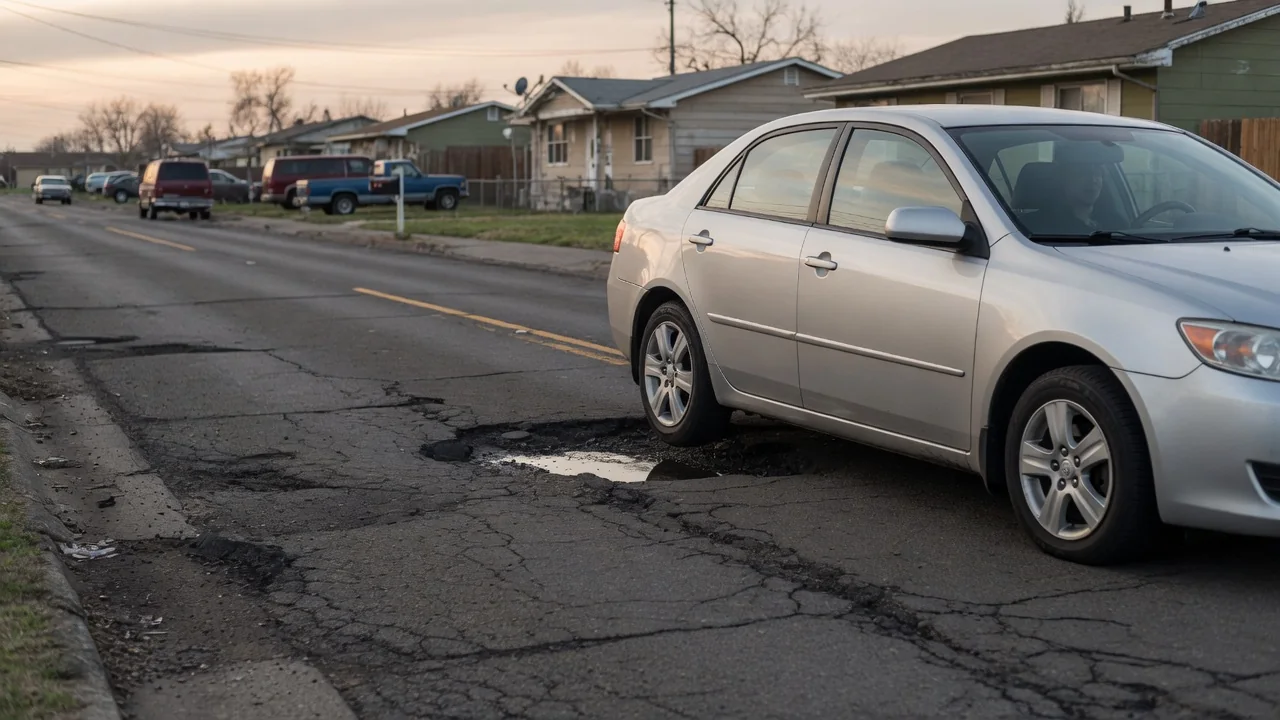
Drivers who ask why does a car rattle over small bumps are usually hearing something loose reacting to quick, sharp movements of the body or wheels. The sound may come from the cabin, the cargo area, or underneath the vehicle. Describing it carefully and making a few simple visual checks narrows the possibilities before anyone picks up a tool.
Interior versus suspension
The first useful distinction is whether the noise lives inside the cabin or comes from the chassis. Interior rattles tend to sound light, plasticky, or buzzy, and they often seem to come from a specific spot such as a door panel, the dashboard, a seat belt buckle tapping trim, or the rear parcel shelf. Pressing a hand against the suspected panel while a passenger listens can change or silence the sound, which is a strong hint that trim clips or fasteners, rather than mechanical parts, are involved.
Suspension and underbody rattles usually sound duller and more metallic, and they are often felt faintly through the floor or steering wheel. Worn sway bar links or bushings, loose heat shields, tired strut mounts, and exhaust hangers that let the pipe touch the body are common candidates on many vehicles. These noises typically track with wheel movement, so they appear over patched pavement or expansion joints and fade on smooth roads. Layouts differ between vehicles, so the exact parts worth suspecting depend on the suspension design fitted.
Loose items
Before blaming the vehicle itself, it pays to rule out anything that is simply riding along unsecured. Coins in a cup holder, sunglasses in an overhead bin, a water bottle in a door pocket, and tools under a seat can all produce a sharp tick or clatter that is surprisingly hard to locate from the driver's seat. Emptying the glovebox, console, and door pockets, then driving the same stretch of road, is a quick test that costs nothing and often ends the search.
The cargo area deserves the same attention. A jack that has worked loose from its bracket, a spare tire with a slack hold-down, a lug wrench resting against metal, or a folded seatback that is not fully latched will knock with every small impact. Outside the cabin, a license plate frame, a loose wheel cover, or a roof rack crossbar can rattle as well. Storage locations and hold-down hardware vary by vehicle, so the owner's manual is the best guide to where factory tools should sit.
Repair diagnosis
When the noise survives a clean-out, a shop will usually start by reproducing it on a road test, ideally with the owner along to confirm the right sound. The vehicle is then raised so a technician can look for witness marks where parts have been touching, cracked or missing rubber bushings, leaking shock absorbers, and fasteners that have backed off. Components are often checked by hand for play, because a joint that feels tight when unloaded can still knock once the suspension is moving on the road.
Stubborn cases may call for listening devices clipped near suspected parts so the sound can be compared from several locations while driving. This matters because noise travels through the body structure, and a rattle heard near the dashboard can originate at a front suspension mount. A careful diagnosis identifies the source before parts are replaced, since swapping components on a guess can be costly and leave the original noise in place. Any warning lights or stored codes should be treated as clues to interpret rather than proof of a failed part.
Everyday Use and Observations
Daily driving offers plenty of chances to gather evidence. Note whether the rattle appears at low speeds only, whether it changes when turning or braking, and whether it comes from the front, rear, left, or right. A sound that occurs with one wheel hitting a bump points in a different direction than one that needs both wheels to move together. Lowering a window next to a wall or parked cars can make an exterior noise louder and easier to place.
Conditions matter too. Some rattles are worse on cold mornings, when rubber bushings are stiff and plastic trim has contracted, then fade as the vehicle warms up. Others change with passengers or cargo aboard, because added weight alters how the suspension sits. A noise that disappears when a rear seat is occupied may simply be an unlatched seatback or an idle buckle. Writing these patterns down, or recording a short audio clip while a passenger holds the phone, gives a technician far more to work with.
Limits and Next Steps
Visual checks at home have clear limits. Looking for a hanging heat shield, a loose plastic undertray, or an obviously torn rubber boot is reasonable with the vehicle parked on level ground, but crawling beneath a car supported only by a jack is not safe. Many worn joints also look perfectly normal and reveal themselves only under load or with proper lifting equipment. If nothing obvious turns up after securing loose items and checking visible trim, the remaining possibilities are best left to a professional inspection.
Urgency depends on what accompanies the noise. A light buzz from interior trim is an annoyance, while a rattle that arrives with vague steering, pulling, uneven tire wear, a clunk under braking, or a change in how the vehicle handles deserves prompt attention, because steering and suspension parts affect control. A noise that is steadily growing louder also warrants an earlier visit. Bringing the notes on speed, road surface, temperature, and location helps the shop reproduce the problem quickly and confirm the cause for that specific vehicle.