Why Does a Car Pull Slightly on Grooved Pavement?
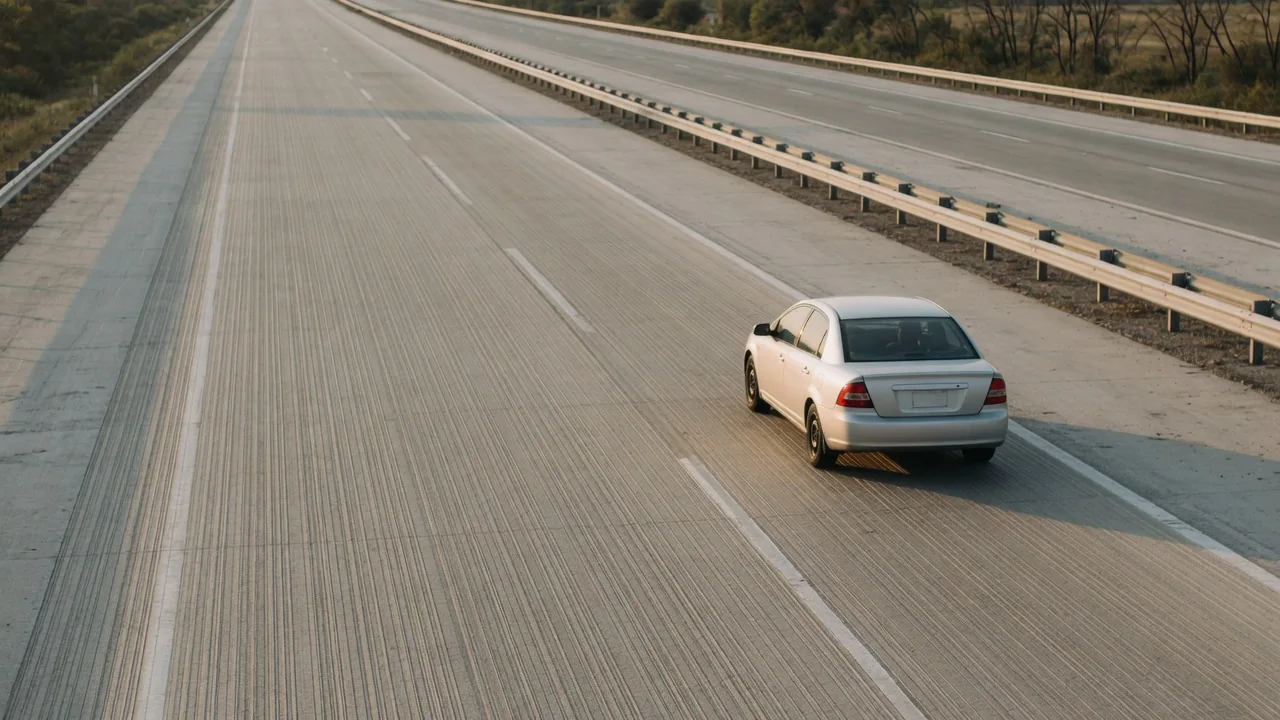
Drivers often ask why does a car pull slightly on grooved pavement when the same vehicle tracks straight on smooth asphalt. The usual answer is tramlining, a tendency for tires to follow ridges and channels cut or worn into the road surface. Understanding how grooves, tire design, and suspension geometry interact helps separate a normal road effect from a problem worth inspecting.
Road grooves
Many concrete highways are cut with longitudinal grooves that run parallel to the direction of travel. They help water drain from beneath the tire and improve wet-weather grip. The edges of those channels, however, give the tread something to push against. When a tread rib or block edge settles against a groove wall, it generates a small sideways force, and the steering wheel responds with a light, wandering tug that seems to come from nowhere.
Similar forces appear on surfaces that were never deliberately grooved. Heavy trucks press ruts into asphalt over time, leaving shallow troughs that a tire tends to climb out of or settle into. Milled pavement awaiting resurfacing, steel bridge decks, and raised seams between lanes can all produce the same sensation. The feeling typically shifts as groove spacing changes from one stretch to the next, which is a strong hint that the road, not the car, is steering the experience.
Tire and alignment factors
Tire design strongly shapes how noticeable tramlining becomes. Wide, low-profile tires with stiff sidewalls transmit groove forces to the steering with little cushioning, so performance-oriented cars often wander more than those on taller, narrower tires. Tread patterns with continuous circumferential ribs can line up with pavement grooves and lock into them briefly. Uneven wear, such as a feathered or worn shoulder, changes the contact patch shape and can make a previously calm set of tires begin following the road.
Alignment settings influence how the vehicle reacts once those forces arrive. Toe that is out of specification can make the front end nervous and quick to dart, while camber settings affect which part of the tread carries the load and meets the groove edges. Caster contributes to the self-centering feel that helps the wheel return to straight. Worn tie rod ends, ball joints, or control arm bushings add looseness, letting small road inputs move the wheels more than the designers intended.
Safety checks
A few simple checks help confirm that the pull is road related. Inflation pressure is the first item, because a tire that is low on one side changes rolling resistance and sidewall stiffness, producing a drift that grooves then exaggerate. Pressures should be compared with the placard on the vehicle rather than the maximum printed on the sidewall. A visual look at the tread across its full width can reveal uneven wear, bulges, or cuts that deserve professional attention.
The behavior of the pull itself carries useful information. Wandering that switches direction and disappears on smooth pavement points toward tramlining, while a steady drift toward the same side on every surface suggests alignment, tire, or brake concerns. A pull that appears only under braking, a steering wheel that sits off center, or vibration that grows with speed are different symptoms and should be evaluated separately. Looseness, clunking, or delayed steering response warrants inspection before further highway driving.
Everyday Use and Observations
In daily driving, the effect is most apparent at highway speeds on grooved concrete, where the car may feel as though it is gently shuffling side to side within the lane. A relaxed but firm grip on the wheel works better than constant correction, since chasing every small movement tends to amplify the wander. Crosswinds, road crown, and a heavily loaded trunk can blend with groove forces, so the same stretch of road may feel different from one day to the next.
Changes to the vehicle often change the sensation. Drivers frequently notice more or less wandering right after fitting new tires, switching between summer and winter sets, or rotating tires front to rear, because tread pattern and wear state both matter. Some new tires feel slightly more mobile until the tread surface scrubs in. Vehicles differ as well: steering assist tuning, suspension design, wheel width, and weight distribution mean one model may shrug off grooves that another follows eagerly.
Limits and Next Steps
Tramlining can be reduced but rarely eliminated, because it stems from the basic interaction between tread and a textured surface. Tires chosen for comfort and a more forgiving sidewall generally follow grooves less than aggressive performance designs, though the tradeoff may be softer steering response. Keeping to the wheel and tire sizes approved for the vehicle matters too, since wider aftermarket fitments or altered offsets can increase sensitivity. No tire or setting makes a car immune to deeply rutted pavement.
When the wandering seems excessive, has worsened over time, or persists on smooth roads, a professional alignment check and suspension inspection is the sensible next step. Describing where and when the pull occurs, including speed, road type, and any recent tire work, helps a technician narrow the cause. Alignment specifications and acceptable tire wear limits depend on the vehicle, so measurements should be compared against the manufacturer's figures for that exact model rather than general rules of thumb.