Why Does a Car Make a Ticking Noise After Shutdown?
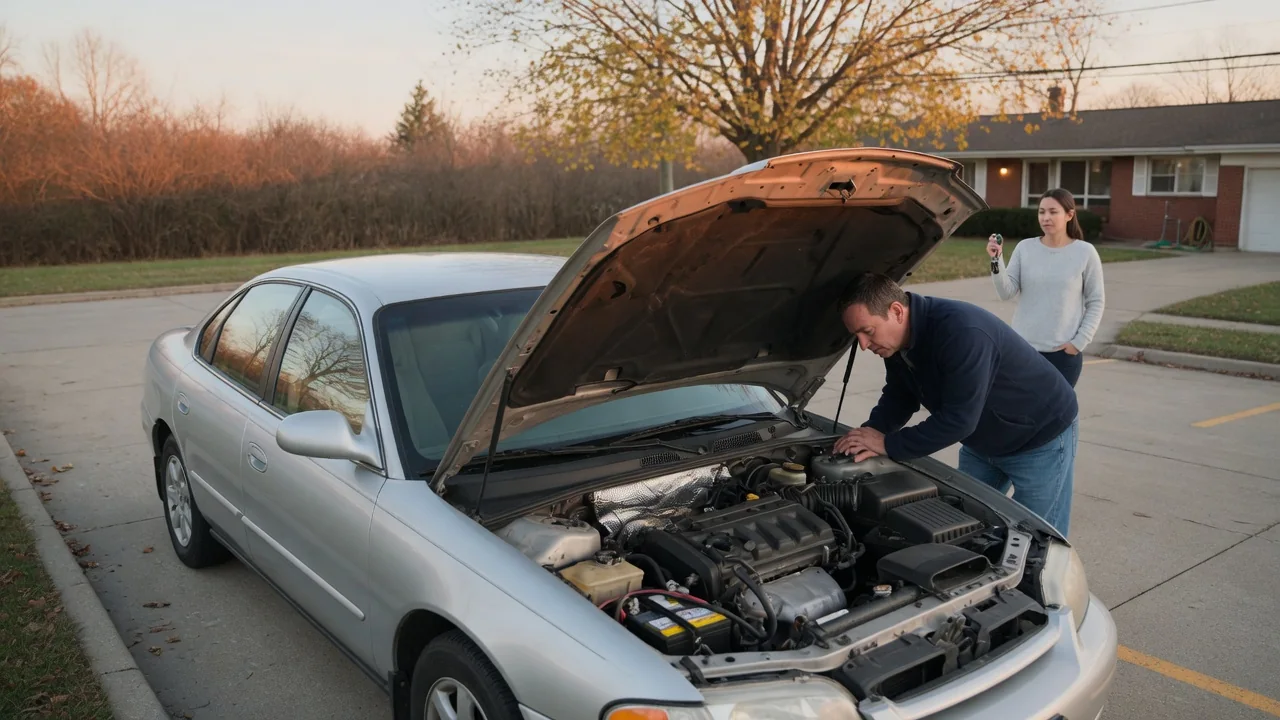
Drivers who park after a trip often wonder why does a car make a ticking noise after shutdown, even though the engine is no longer running. In most cases the answer is simple physics: hot metal is cooling and shrinking. This article explains where the sounds come from, what normal cooling sounds like, and which accompanying signs suggest a closer inspection is worthwhile.
Heat contraction
Metal expands as it heats and shrinks as it cools, and an engine bay holds many metals that change size at different rates. Exhaust parts run far hotter than the surrounding body structure, so once the engine stops and the flow of hot gas ends, they begin shrinking quickly. Where two parts are clamped, bolted, or layered together, the surfaces grip each other until built-up stress overcomes friction. Each tiny slip releases energy as a sharp tick or ping, much like a baking tray clicking as it cools on a countertop.
The pattern of the sound reflects that cooling curve. Ticks usually arrive rapidly in the first minutes, when the temperature difference between the parts and the outside air is greatest, then spread out and fade as everything approaches ambient temperature. Thin sheet metal tends to produce light, tinny pings, while heavier castings may give duller, slower clicks. A long highway run or a steep climb stores more heat than a short errand, so the noise may last noticeably longer afterward. Cold or windy weather can also sharpen the effect by speeding the cooling.
Source location
The exhaust system is the most common origin. Manifolds, pipes, the catalytic converter, and the muffler all carry intense heat, and many are wrapped or shadowed by thin metal heat shields that cool faster than the parts they protect. That mismatch makes the shields shift against their fasteners and tick. Because the exhaust runs the full length of the vehicle, the sound may seem to come from under the hood, beneath the floor near the middle of the cabin, or toward the rear, depending on how the system is routed.
Other components contribute as well. The engine block and cylinder head give up heat slowly and may click where dissimilar metals meet, such as aluminum castings joined with steel fasteners. Brake rotors can ping after hard or repeated stops, placing the sound near a wheel rather than the engine. Some vehicles also run electric cooling fans, pumps, or evaporative emissions checks after the ignition is switched off, which produce whirring or clicking that is electrical or mechanical rather than thermal. Hybrid and turbocharged models often have additional after-run behavior, so the owner's manual is worth consulting.
Abnormal signs
Normal cooling noise is dry, irregular, and gradually fading, with nothing else accompanying it. The sound deserves more attention when it comes with other evidence. A sweet smell, visible steam, or drips under the front of the vehicle may point to a coolant leak landing on hot surfaces. A burning oil odor or smoke suggests oil reaching the exhaust. Hissing or gurgling from the cooling system, especially alongside a temperature gauge that read high before parking, indicates the engine may have been running hotter than it should.
Timing and character matter too. Ticking that is present while the engine is running, and changes with engine speed, is a different matter from cooling sounds and may involve the valvetrain, an exhaust leak, or low oil level. A rapid electrical clicking that continues long after the vehicle has cooled could involve a relay or control module staying active, which may eventually drain the battery. A loose heat shield often rattles while driving as well as ticking afterward. Any warning light on the dashboard adds weight to these observations, though a stored code is evidence to interpret rather than a confirmed failed part.
Everyday Use and Observations
Paying attention over several drives builds a useful baseline. Most owners find the ticking is louder after longer or harder trips and nearly absent after a brief drive on a cool day. Parking in a quiet garage makes the sound far more noticeable than parking on a busy street, which is why some people believe the noise is new when the surroundings have simply changed. A vehicle that has always ticked in a consistent way after shutdown, with no change in how it drives, is generally behaving as its materials dictate.
Changes are more informative than the noise itself. Listening from outside can reveal whether the sound is forward, central, or near a wheel, and whether it has grown louder, moved, or begun lasting much longer than before. Glancing at the ground under the parked vehicle for fresh spots, and noting the temperature gauge reading before switching off, adds helpful context. Newer exhaust components or recently replaced parts may tick differently for a while as they settle. Designs vary considerably between manufacturers, so what is typical for one vehicle may be unusual for another.
Limits and Next Steps
Sound alone has limits as a diagnostic tool. It can suggest a general area, but noises travel through metal and reflect off the ground and garage walls, so the apparent location may be misleading. Recently driven exhaust and brake components stay hot enough to cause serious burns for a considerable time, and a hot cooling system is under pressure. Touching parts to find the source, or opening a coolant cap on a warm engine, is not safe. Any visual check is better done from a distance, or once the vehicle has cooled completely.
When the ticking fades on its own and nothing else is amiss, no action is normally needed. A professional inspection is the sensible next step if the noise is joined by leaks, smells, smoke, overheating, a warning light, a draining battery, or a rattle while driving. Describing when the sound occurs, how long it lasts, and where it seems to originate helps a technician narrow things down. If codes are stored, their meaning can depend on the manufacturer, so vehicle-specific service information is needed to confirm what they indicate before any parts are replaced.