Why Does a Car Keep Accessory Power After Shutdown?
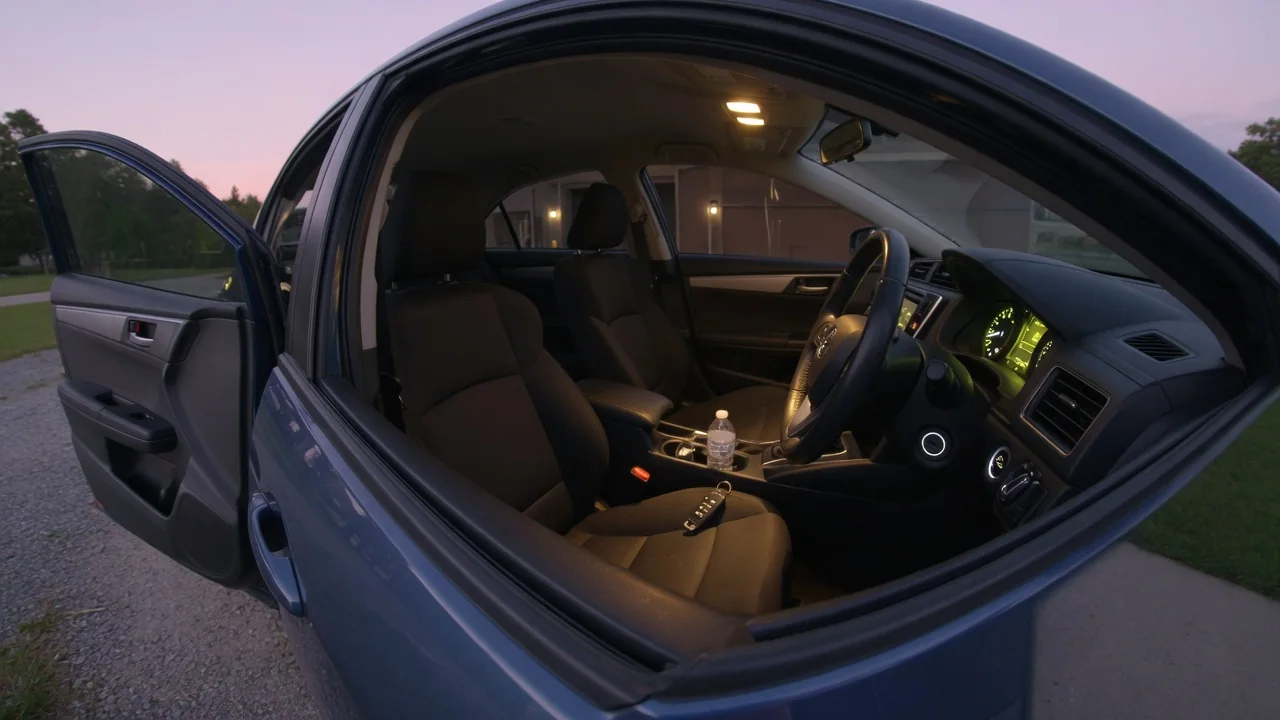
Turn off the engine, and the radio keeps playing while the windows still respond to the switch. Anyone who has wondered why does a car keep accessory power after shutdown is seeing a deliberate feature, usually called retained accessory power. It lets occupants finish small tasks without restarting the vehicle, and it follows predictable rules about when the power finally cuts off.
Timer and door trigger
Retained accessory power is normally governed by two conditions working together: a timer and a door signal. When the ignition is switched off, a control module, often the body control module, keeps selected circuits energized instead of dropping them immediately. A countdown begins at that moment. If nothing else happens, the module ends the session when the timer expires, and the radio goes silent and the window switches stop responding. The length of that countdown is set by the manufacturer and differs between vehicles.
The door trigger usually ends the session sooner. On many vehicles, opening the driver's door, or any door on some designs, tells the module that the occupants are leaving, so it cuts accessory power right away. This is why the audio often stops the instant the door swings open rather than when the key is turned. The module reads the same door switch or latch sensor that operates the dome light, so a door that is not registering correctly can change how the feature behaves.
Battery impact
Keeping accessories alive with the engine off means the battery supplies everything, since the alternator is no longer charging. In normal operation the drain is modest because the session is short and only a few circuits stay active. A radio at ordinary volume and an occasional window movement draw relatively little over a brief period. The timer and door cutoff exist precisely to keep this draw bounded, so a healthy battery should handle the feature without any noticeable effect on the next start.
The picture changes if the power does not shut off as intended. A session that never ends becomes a parasitic drain, and an audio system with a large amplifier or a lit infotainment screen can pull a battery down over hours. An older or weakened battery is less tolerant of this. Signs worth noting include a radio or display still on long after the car has been locked, or slow cranking after the vehicle has sat overnight. Many vehicles also include battery saver logic that shuts loads off if voltage falls.
Vehicle variation
Manufacturers implement this feature in noticeably different ways. Some keep only the power windows and sunroof active, while others include the audio system, infotainment screen, or power outlets. The countdown length varies, and so does the trigger: one vehicle ends the session when the driver's door opens, another waits for any door, and some rely on the timer alone. Vehicles with push-button start may behave differently from those with a traditional key, sometimes holding accessory mode until the door opens or the car is locked.
The name changes too. Owner's manuals may describe it as retained accessory power, accessory delay, or delayed accessory power, and some models let the driver adjust or disable it through a settings menu. Older vehicles without networked body electronics often lack the feature entirely, cutting everything the moment the key turns off. Because of these differences, the owner's manual for the specific model and year is the reliable reference for which accessories stay on, how long they run, and what ends the session.
Everyday Use and Observations
In daily driving, the feature mostly shows up as small conveniences. A driver parks, shuts off the engine, and realizes a rear window is still down; the switch still works, so there is no need to restart. A passenger can finish hearing a song or a traffic report while gathering belongings. On some vehicles the sunroof can also be closed during this window. These moments are the whole purpose of the design: bridging the gap between engine off and leaving the cabin.
Paying attention to the pattern is useful because it establishes what normal looks like for a particular car. Note whether the audio stops when the door opens or simply fades out after a set period, and whether the windows quit at the same moment. Consistent behavior from one drive to the next indicates the system is working as designed. A change in that pattern, such as power that now cuts instantly or lingers far longer than before, is the kind of observation that helps a technician later.
Limits and Next Steps
The feature has clear limits. It is not meant for extended listening with the engine off, and it will not keep high-demand systems such as climate control blowers running on most vehicles. If the accessories stay on indefinitely, the cause could involve a door switch that is not reporting an open door, an ignition switch or relay problem, a module that is not going to sleep, or aftermarket audio wiring tied into the wrong circuit. Each possibility needs testing rather than assumption.
A sensible first step is checking the owner's manual to confirm the expected behavior, then watching whether the dome light and door-ajar indicator respond when each door opens. If the battery keeps running down or the accessories refuse to shut off, a shop can measure the current draw with the vehicle at rest and check for stored codes. Any code found is a starting point for diagnosis, not proof that a specific part has failed, and its meaning should be confirmed for that vehicle.