Why Does a Car Hum More on Certain Roads?
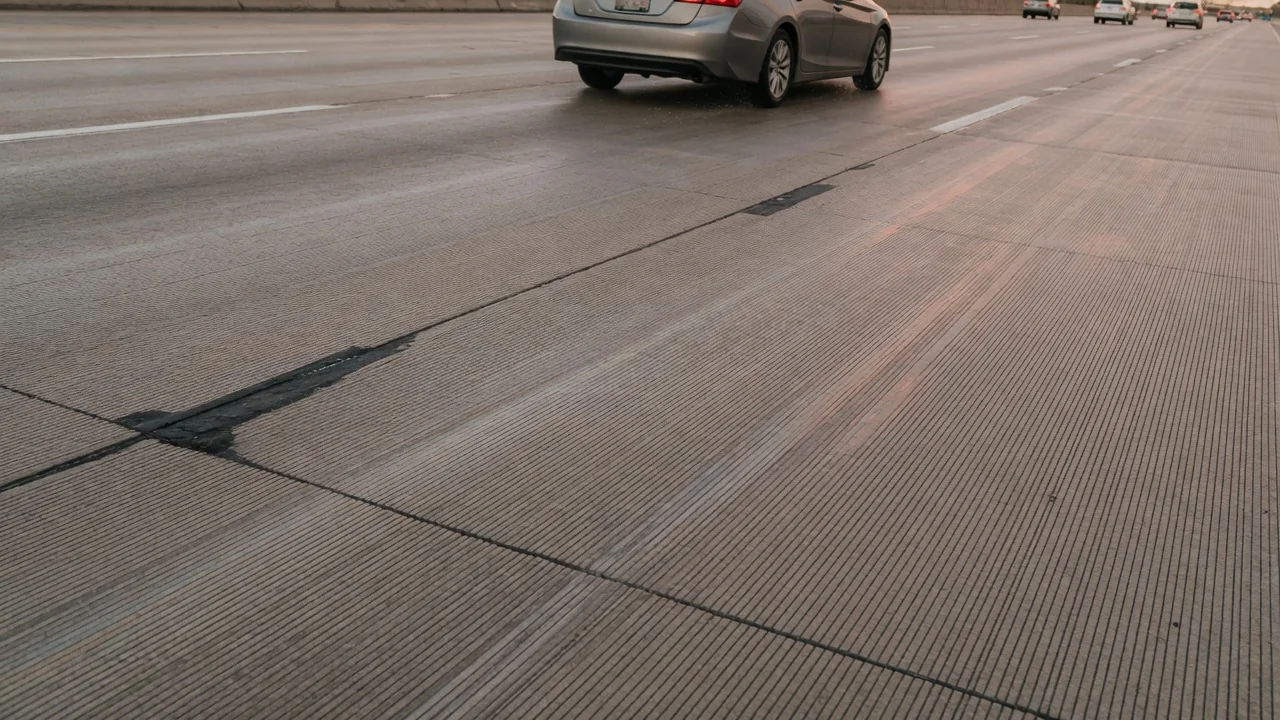
Why does a car hum more on certain roads? In most cases the answer lies with the tires rather than the engine. The sound begins where tread meets pavement, travels through the suspension and body, and is shaped by the cabin itself. Knowing how pavement texture, tire design and interior acoustics interact helps separate ordinary road noise from a sound that deserves a closer look.
Road surface
Pavement is not a uniform material. Coarse chip seal leaves exposed stone that strikes each tread block like a tiny hammer, producing a broad, low roar. Smooth, dense asphalt gives the tread less to hit, so the cabin quiets noticeably. Concrete highways often carry grooves cut for drainage and grip, and those grooves can create a steady, tonal whine or hum as the tire passes over thousands of evenly spaced ridges every second.
Air matters as well as impact. Tread grooves trap and release air against the road, and a porous or open-graded surface lets that air escape quietly, while a sealed, polished surface can make it sing. Drivers often notice the change at a pavement seam, where the sound shifts instantly although speed and throttle stay the same. How dramatic the shift feels depends on the vehicle, since tire size, tread pattern and factory sound insulation differ widely between models.
Speed changes
Speed changes both the loudness and the pitch of tire hum. As the wheels turn faster, tread blocks meet the surface texture more often, so the tone rises, and the energy of each contact grows, so the volume climbs. Around town the sound may be buried beneath engine and ventilation noise. At highway speeds, tire and wind noise typically dominate, which is why a road that seemed quiet at a crawl can drone on a long freeway stretch.
Certain speeds can also feel disproportionately loud. Every body shell, floor panel and enclosed air volume has frequencies at which it resonates, and when tire noise lands on one of them the cabin booms or drones within a narrow band, then eases a few miles per hour either side. That band differs from vehicle to vehicle and can shift with tire choice, cargo, or a folded rear seat. A hum that tracks road speed rather than engine speed points toward tires, wheels or the driveline rather than the engine itself.
Distinguish new noise
The most useful test is whether the sound changes with the pavement. Hum that appears on coarse surfaces and fades on fresh asphalt is behaving like normal road noise. A hum that persists across every surface, or that has grown gradually over weeks, deserves more attention. Uneven tread wear, such as cupping or feathering, can produce a rhythmic growl that resembles a mechanical fault, and it often becomes more noticeable after tires are rotated to new positions.
A wheel bearing is another common suspect, though the sound alone does not prove it. Bearing noise often changes when the vehicle's weight shifts in a long, gentle curve, growing louder as one side is loaded and quieter as it is unloaded, whereas tread noise usually stays more constant. Those are tendencies, not rules, and the two sounds overlap enough to mislead experienced ears. Vibration in the steering wheel or seat, or a noise that arrived suddenly, strengthens the case for an inspection.
Everyday Use and Observations
Daily driving provides plenty of clues. Tire type has a strong influence: aggressive all-terrain or winter tread tends to be louder than a touring tire designed for comfort, and tires generally grow noisier as they wear and the rubber hardens with age. Inflation pressure changes how the tread contacts the road, so keeping it at the figure on the vehicle's door-jamb placard helps keep noise and wear predictable. Cold mornings can also make the same road sound harsher until the tires warm.
The cabin itself shapes what reaches the ears. Hatchbacks, wagons and SUVs share one open air space with the cargo area, so noise from the rear tires travels forward more easily than in a sedan with a separate trunk. Worn door seals, a missing cargo cover or an empty load floor can change the character of the sound. Noting which roads, speeds and conditions bring out the hum, and whether passengers hear it from the same corner, builds a useful picture over time.
Limits and Next Steps
Listening has limits. Sound travels through the body structure, so a noise that seems to come from the front left may originate elsewhere, and a phone recording rarely captures low-frequency hum faithfully. General descriptions cannot account for a particular vehicle's tires, suspension design or insulation. Hum by itself also seldom triggers a warning light or stored fault code, and where a code does appear it is evidence to interpret alongside other findings, not confirmation that a specific part has failed.
Sensible next steps begin with simple checks: confirm tire pressures, look across each tread for uneven wear patterns, and compare the sound on a smooth road with a familiar rough one. If the hum is new, worsening, present on every surface or accompanied by vibration, pulling or looseness in the steering, a qualified technician should examine the tires, bearings and suspension on a lift. Sharing notes about speed, surface and when it started shortens diagnosis. If it is simply the pavement, quieter replacement tires may eventually help.