Why Does a Car Heater Take Time to Warm Up?
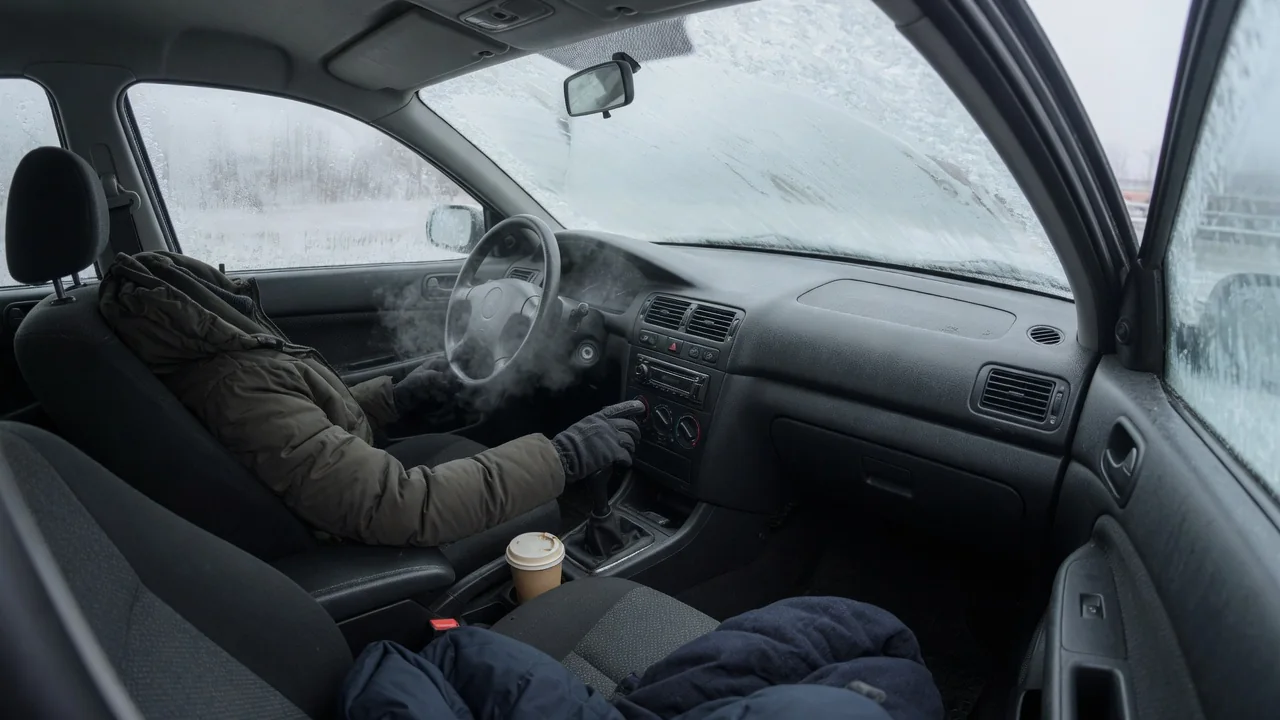
Anyone who has shivered through the first few minutes of a winter drive has wondered why does a car heater take time to warm up. The short answer is that most vehicles heat the cabin with warmth borrowed from somewhere else, and that source needs time to build. Gasoline, diesel, hybrid, and electric vehicles each handle the task differently.
Heat source
In a vehicle with a combustion engine, cabin heat is a byproduct of the engine itself. Coolant circulates through passages in the block and cylinder head, absorbing heat from combustion, and part of that flow is routed through a small radiator behind the dashboard called the heater core. The blower fan pushes cabin air across its fins. Until the coolant is warm, the air leaving the vents can only be as warm as the liquid passing through that core, which on a cold start is roughly outside temperature.
A thermostat helps speed the process by keeping coolant out of the main radiator until the engine approaches its normal operating temperature, so early heat stays in the engine and heater circuit. Electric vehicles have no hot engine to borrow from. They generate cabin heat with a resistance heater, a heat pump, or a combination, drawing energy from the traction battery. Resistance elements can produce warm air quickly, while heat pump output depends more on conditions. Many hybrids still rely on engine coolant, sometimes with an electric auxiliary heater.
Weather and load
Outside temperature sets the starting point for everything that has to warm up. On a bitterly cold morning, the engine block, the coolant, the heater core, the ductwork, and the cabin itself all begin far below comfortable temperature, and each absorbs heat before the air at the vents feels warm. Wind and a car parked outdoors overnight make the delay longer than the same car pulled from a garage. Cold glass, seats, and trim also soak up warmth, so the cabin feels cool even after vent air improves.
Engine load matters just as much. An idling engine burns little fuel and produces little waste heat, which is why a car left running in the driveway often warms slower than one driven gently down the road. Efficient small engines and diesels tend to shed less heat at light load, so their warmup can feel longer. In an electric vehicle, cold weather reduces heat pump effectiveness and heating draws on driving range, so some models limit output or lean on resistance heat. Running the blower at full speed early also pulls heat away faster.
When slow heat is abnormal
A delay of several minutes in cold weather is ordinary, but some patterns point to a problem worth investigating. If the temperature gauge climbs very slowly or never reaches its usual position, a thermostat stuck open may be letting coolant flow through the radiator too early. If the gauge reads normal yet the vents stay lukewarm, the possibilities include low coolant, air trapped in the system, a restricted heater core, or a blend door that is not directing air across the core properly.
Other clues help narrow things down. Heat that appears while accelerating but fades at idle can suggest low coolant level or weak circulation. A sweet smell, a film on the inside of the windshield, or damp carpet on the passenger side may indicate a leaking heater core. In an electric vehicle, heat that is absent or noticeably weaker than before, especially with a warning message, deserves attention. Any stored fault code is evidence to interpret alongside these symptoms, not proof that a particular part has failed, and definitions can vary by manufacturer.
Everyday Use and Observations
Daily habits shape how quickly a cabin becomes comfortable. Driving away gently shortly after starting usually builds engine heat faster than extended idling, and keeping the fan low for the first minutes lets the coolant warm instead of being stripped of heat immediately. Many automatic climate systems do this on their own, holding the blower back until the coolant reaches a useful temperature. Heated seats and a heated steering wheel deliver warmth directly and quickly because they do not depend on the heater core at all.
Electric vehicle owners have a different set of tools. Preconditioning the cabin while the car is still plugged in warms the interior using grid power instead of the battery, which preserves range and means the car is comfortable at departure. Drivers of any vehicle can watch a few simple indicators over time: how long the temperature gauge takes to settle, whether both sides of the cabin warm evenly, and whether the defroster clears the windshield as promptly as it used to. A gradual change from the vehicle's normal behavior is more telling than any single cold morning.
Limits and Next Steps
No heater can outrun physics. A combustion engine cannot supply meaningful cabin heat until it has produced enough to warm its own coolant, and short trips in deep cold may end before that happens. Warmup times differ widely between vehicles depending on engine size, cooling system design, and whether supplemental electric heating is fitted, so comparing one car against another says little. The owner's manual describes how a specific climate system is meant to behave, including any features that delay the fan or prioritize the windshield.
When slow heat seems out of character, a few safe checks come first. Coolant level can be viewed at the translucent reservoir with the engine cold, but the pressurized cap should never be opened on a hot engine. Noting when the problem occurs, what the temperature gauge shows, and any odors or fogging gives a technician a useful starting point. Persistent weak heat, a gauge that reads unusually low or high, coolant loss, or heating warnings in an electric vehicle all justify a professional inspection, since cooling system and high-voltage faults should be confirmed with vehicle-specific diagnosis.