Why Does a Car Chime When the Parking Brake Is On?
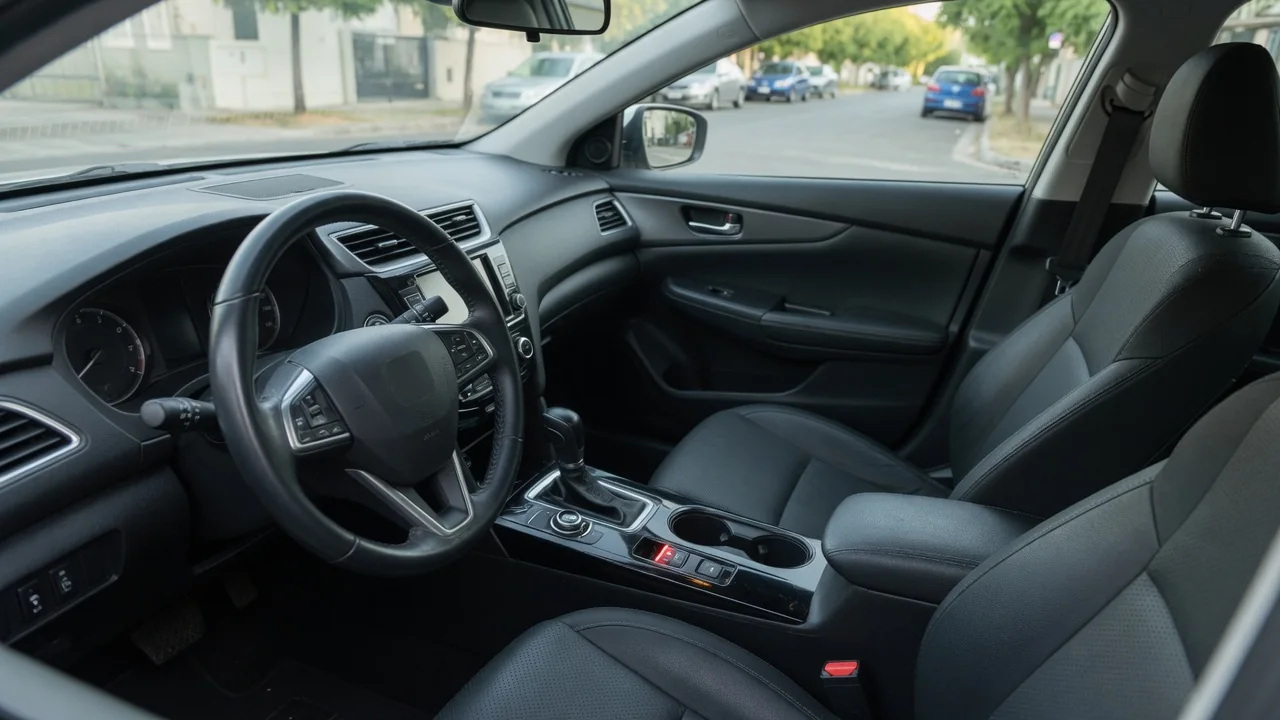
Drivers often ask why does a car chime when the parking brake is on, and the short answer is that the vehicle is trying to prevent you from driving against a set brake. The sound usually pairs with a red brake light on the instrument cluster. Understanding what triggers the alert, and what to check when it persists, helps separate a simple reminder from a genuine brake system concern.
Warning input
The chime starts with a simple input. On vehicles with a hand lever or foot pedal, a small switch near the mechanism closes when the brake is applied, sending a signal to the instrument cluster or body control module. That module compares the switch state with vehicle speed or gear selection. If the car begins moving while the switch still reports an applied brake, the module adds an audible alert to the warning light already showing on the dash.
Electronic parking brakes work differently but reach the same result. Instead of a mechanical switch, a control unit tracks the position of motor-driven actuators at the rear calipers and reports status over the vehicle's data network. The speed threshold that triggers the sound, the tone itself, and any accompanying text message differ between manufacturers. Some cars chime almost immediately on pulling away, while others wait until a certain speed is reached, so the owner's manual is the best reference for your vehicle.
Release check
When the chime sounds, the first thing to verify is whether the brake is truly released. A hand lever should drop fully to its resting position, and a foot pedal should return all the way up after the release handle is pulled. A lever left one or two clicks high can keep the switch closed and the rear brakes lightly applied. You may notice sluggish acceleration, a dragging sensation, or a warm smell from the rear wheels after a short drive.
With an electronic system, check that the indicator in the cluster and any light on the switch itself go out after you operate the button. Many designs require the ignition on and the brake pedal pressed before they release, and some release automatically only when the driver's seat belt is fastened and the door is closed. If the light stays on after a release request, stop somewhere safe and try again rather than driving on against the chime.
Fault possibilities
A chime that continues with the brake clearly released points toward a problem with the signal rather than the brake itself. A misadjusted or sticking switch at the lever is one possibility, as is damaged wiring or corrosion at a connector. Because the same red brake light often serves more than one purpose, low brake fluid in the reservoir can also trigger it on many vehicles. That is a reason to treat a persistent alert as worth investigating rather than as a nuisance.
Electronic parking brakes add their own possibilities, including actuator, switch, or control unit issues, and low battery voltage can upset their operation. These systems may store diagnostic trouble codes, but a code is evidence to interpret, not proof that a particular part has failed. Many of the relevant codes are manufacturer-specific, so their meaning needs to be confirmed against information for the exact vehicle. Mechanical causes, such as a seized cable or a caliper that does not fully retract, can also leave the brakes partly applied.
Everyday Use and Observations
In daily driving, the reminder most often sounds for ordinary reasons. Pulling out of a sloped driveway in a hurry, moving a car a few feet in a parking lot, or driving an unfamiliar rental with a foot-operated brake are typical situations. The pattern you observe is useful: an alert that begins as the car rolls and stops the moment the lever is lowered is the system working as designed, and it needs no further attention.
Other patterns deserve a closer look. A chime that appears over bumps or during cornering may suggest a switch on the edge of its adjustment or brake fluid moving around in a low reservoir. An alert that comes and goes in cold or wet weather can hint at a connection problem. Note when the sound occurs, whether the light is red or amber, and whether any message appears, because those details help a technician reproduce and trace the issue efficiently.
Limits and Next Steps
There are limits to what a driver can conclude from the chime alone. The sound tells you that a module believes the parking brake is applied or that a related brake warning is active; it does not identify the cause. Checking the lever position and looking at the brake fluid level against the reservoir markings are reasonable owner-level steps. Silencing the alert by disconnecting a switch or ignoring the light removes a safeguard and can mask a real hydraulic problem.
If the warning persists after a confirmed release, or if the pedal feels soft, the car pulls, or there is a burning smell from the wheels, have the vehicle inspected before further regular use. Driving for long with the rear brakes dragging can overheat linings and reduce braking performance. A qualified technician can read stored codes, check switch and actuator signals, and inspect the cables and rear brakes, using service information specific to your make and model to confirm the diagnosis.