Why Does a Car Cabin Heat Up So Quickly in Sun?
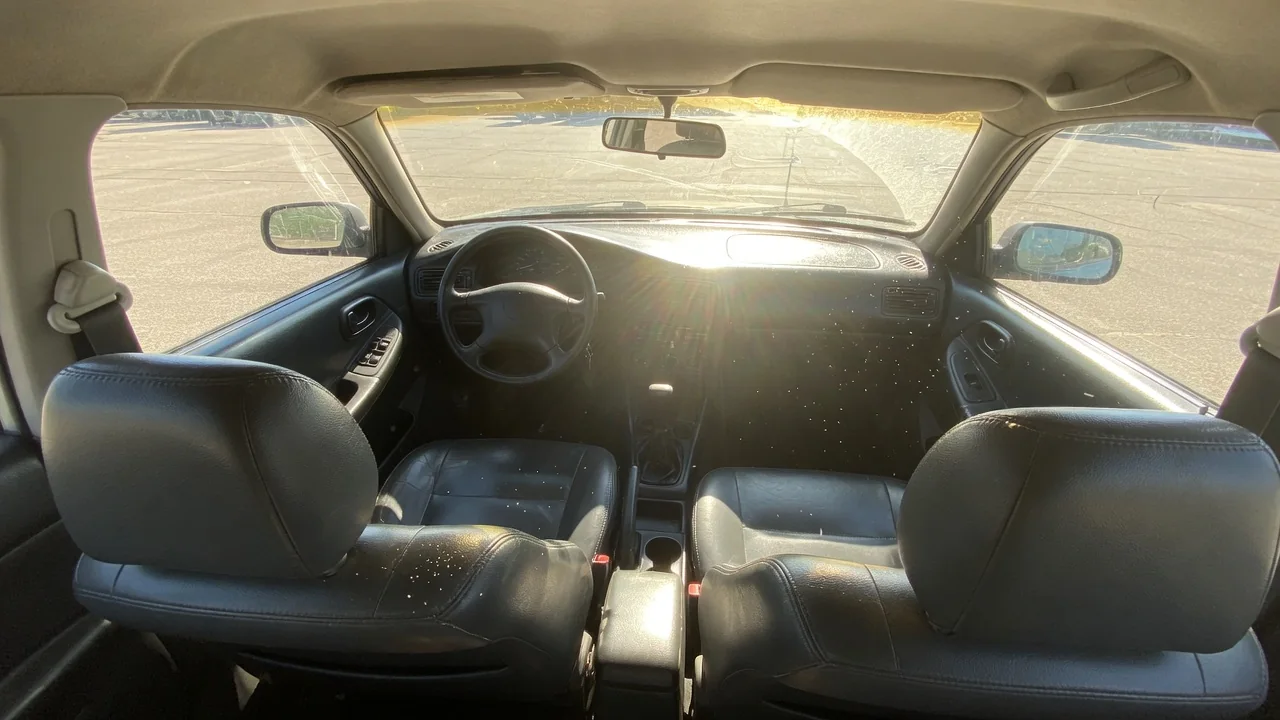
Anyone who has opened a parked car on a bright afternoon knows the wave of hot air that rolls out. Understanding why a car cabin heats up so quickly in sun comes down to a few simple ideas: sunlight passing through glass, dark surfaces absorbing that energy, and a sealed shell that lets very little warmth escape. Each plays a distinct part.
Sun through glass
Sunlight arrives mostly as visible light and near-infrared energy, and automotive glass is designed to let much of it through so the driver can see. Once that energy passes the windshield, side windows and rear glass, it lands on the dashboard, seats and trim, where it is absorbed and converted to heat. Those warmed surfaces then radiate energy back at longer infrared wavelengths, which glass blocks far more effectively. Energy flows in easily and leaves slowly, which is the essence of solar gain.
The amount of glass and its angle both matter. A steeply raked windshield presents a large area to the high summer sun, and a panoramic roof adds another opening overhead. Glass specification varies by vehicle: some windshields carry infrared-reflective coatings or tinted interlayers, rear privacy glass absorbs more light at the pane itself, and aftermarket films differ widely in performance. You can notice the effect by feeling how much warmer a sunlit seat becomes than one shaded by a roof pillar.
Interior surfaces
The dashboard is usually the hottest part of a parked car, and its design explains why. It sits directly beneath the windshield, faces the sun almost squarely, and is typically finished in a dark, low-gloss material chosen to limit reflections in the glass. That same finish absorbs a large share of the incoming light. As the dash top warms, it heats the air touching it, and that air rises and circulates, steadily warming the whole cabin rather than only the surfaces in direct sun.
Other materials behave differently, which is why some parts feel far worse than others. Metal seat belt buckles, a dark steering wheel rim and leather or vinyl upholstery tend to feel scorching to the touch, while cloth seats and lighter trim colors usually feel more tolerable under the same conditions. Dense plastics and seat foam also store heat and keep releasing it after you drive away, which helps explain why a cabin can feel stuffy even once the air conditioning is running.
Ventilation limits
On the outside of the car, moving air constantly carries heat away from the paint and glass. Inside, there is no such relief. Door seals, closed windows and a tightly built body are intended to keep out noise, water and drafts, and they keep warmed air in just as well. Most vehicles do have small pressure-relief vents hidden in the rear bodywork, but these exist to ease door closing and help the climate system move air, not to cool a parked cabin.
Leaving the windows slightly open allows some exchange of air, yet the sun keeps delivering energy faster than a narrow gap can carry it out, particularly on a still day. The hottest air also collects near the headliner, above the opening in many cases. Some vehicles offer solar-powered ventilation fans, remote pre-conditioning or an automatic cabin overheat feature, most often on electrified models. Whether a particular car has any of these, and how they behave, depends on the make, model and equipment level.
Everyday Use and Observations
Daily parking habits reveal how much sunlight, rather than air temperature, drives the result. A car left facing the sun with an unshaded windshield warms noticeably faster than one parked nose-in toward a building or under a tree. Even on a mild, clear day the interior can become uncomfortably hot, because solar gain depends on how much light reaches the glass. Shade also moves, so a spot that was covered in the morning may be fully exposed by early afternoon.
The first minutes of a drive tell a similar story. Air from the vents often feels warm initially because the ducts and dashboard are heat-soaked, and briefly lowering the windows while moving flushes the hottest air far faster than the air conditioning can cool it. A reflective windshield shade tends to leave the dash top and steering wheel noticeably cooler to the touch. Items left in direct sun, such as phones, plastic bottles and anything pressurized, are also exposed to that same buildup.
Limits and Next Steps
Every common countermeasure has a ceiling. Sunshades, window tint, light-colored seat covers and cracked windows all slow the buildup or reduce how hot surfaces feel, but none of them keeps a sun-exposed cabin close to the outside temperature. The physics still favors energy coming in over energy leaving. For that reason, no shading product or open window makes it acceptable to leave a child, a pet or anyone unable to exit on their own inside a parked vehicle, even for a short errand.
A sensible next step is to check the owner's manual for features your vehicle may already have, such as remote start with climate control, scheduled pre-conditioning or ventilated seats. If you are considering window film, confirm local tint regulations first, since permitted darkness differs between states. And if the cabin remains slow to cool well after the hot air has been flushed out, that points beyond ordinary solar gain; having a qualified technician inspect the air conditioning system and cabin air filter is the appropriate way to find out why.