Why Does a Car Brake Differently When Loaded?
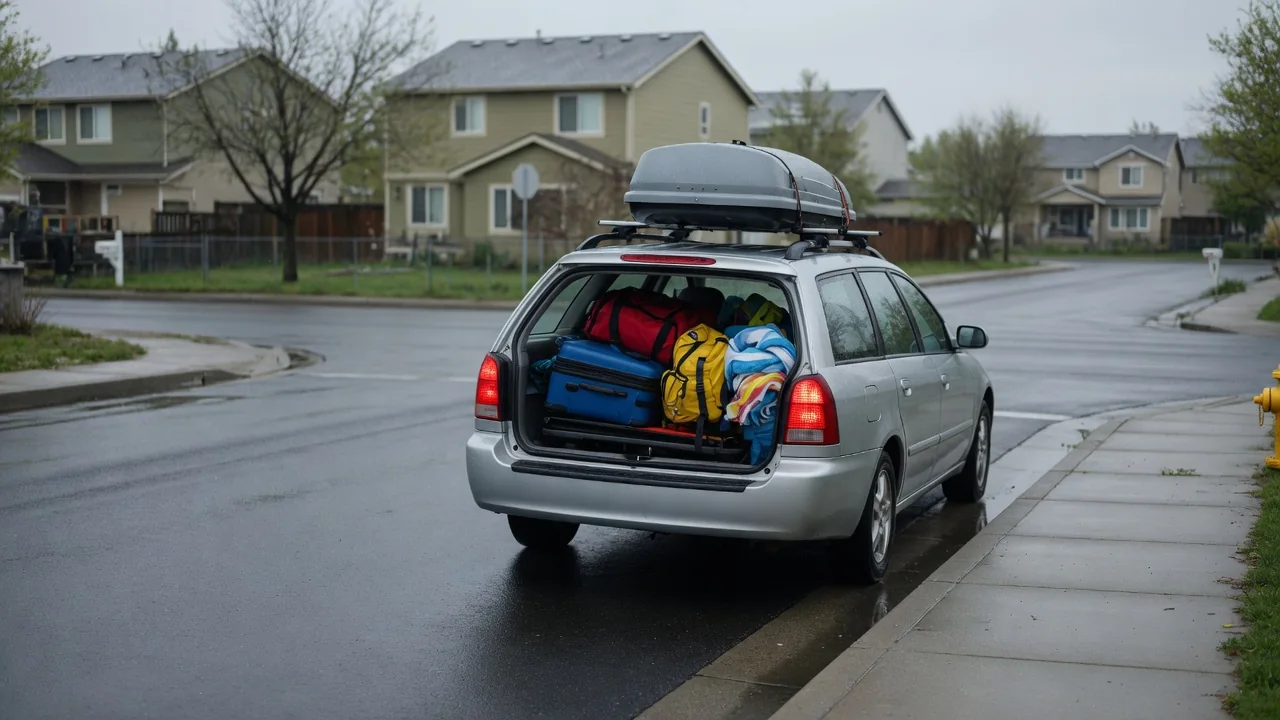
Fill the trunk, seat five adults, and the same brake pedal suddenly feels like it belongs to another vehicle. So why does a car brake differently when loaded? The answer comes down to three linked factors: the extra mass the brakes must slow, the way tires respond to carrying more weight, and the heat that builds inside the braking system during every stop.
Stopping demand
Every moving vehicle carries kinetic energy, and that energy rises in direct proportion to mass. Add several hundred pounds of passengers and luggage, and the brakes must convert correspondingly more motion into heat to reach a standstill from the same speed. The pads and rotors have not grown to match, so the system works harder for each stop. Speed matters even more, because energy climbs with the square of velocity, which is why a loaded car at highway pace asks far more of its brakes than the same car in town.
Drivers usually notice this as a need for firmer pedal pressure to achieve the deceleration they expect. A stop that once took a light squeeze now needs a deliberate push, and the car may seem to keep rolling a moment longer than anticipated. How pronounced the change feels depends on the vehicle. A compact hatchback carrying a full load gains a large share of its empty weight, while a heavy pickup carrying the same cargo may feel almost unchanged.
Vehicle rating
Manufacturers design brakes, tires, suspension, and axles around a maximum loaded weight, commonly published as the gross vehicle weight rating, along with separate limits for each axle. Within those figures, the braking system is intended to cope with the heat and force involved. The ratings usually appear on a placard in the driver's door opening and in the owner's manual, and they differ widely between models, so the numbers for one car should never be assumed for another.
Tires carry their own load rating, and the placard typically lists recommended inflation pressures, sometimes with a higher figure for full loads. An underinflated tire under a heavy load flexes more, runs hotter, and offers a less stable contact patch during hard braking. Beyond the rated weight, engineering margins shrink quickly: rotors may overheat sooner, tires can be overstressed, and the suspension may sit low enough to upset the balance the brake system was tuned around.
Driver margin
Tire grip does increase as weight presses the tread into the road, but not quite in step with the added load. That shortfall means a heavily loaded car generally needs more distance to stop, even with brakes in perfect condition. On wet or loose surfaces the gap widens. The practical response is to leave a longer following distance and begin braking earlier, giving both the tires and the driver more room to deal with the extra momentum.
Where the weight sits matters as well. Cargo in the trunk or bed shifts the balance rearward, changing how much braking each axle can contribute before a tire reaches its limit. Many modern vehicles adjust front-to-rear brake force electronically, and anti-lock systems step in if a wheel begins to lock, but these aids manage available grip rather than create more of it. High or unsecured loads add another concern, since items can slide forward and the body may pitch more sharply under braking.
Everyday Use and Observations
Ordinary driving offers plenty of clues. A loaded car often dips its nose more noticeably when slowing, the pedal may travel slightly farther before the car responds as expected, and routine stops at familiar intersections can require starting earlier. Some vehicles squat at the rear with cargo aboard, which lightens the feel of the steering and subtly alters how the car settles during a stop. None of this signals a fault by itself; it reflects the physics of slowing more mass.
Heat is the factor most likely to show up on long descents or in repeated stops. Brakes shed heat into the surrounding air, and a heavier vehicle generates it faster than the components can release it. Warning signs include a sharp, acrid smell after a downhill stretch, a pedal that grows softer or longer, or braking that feels weaker than it did minutes earlier. This fading effect tends to recover as parts cool, though the tendency varies with brake design and pad material.
Limits and Next Steps
There is a ceiling to what careful driving can offset. Staying within the published weight and axle ratings, setting tire pressures to the loaded recommendation, and securing cargo low and forward of the rear axle where possible all keep braking behavior predictable. On steep grades, selecting a lower gear lets engine braking share the work and keeps rotor temperatures in check. Towing adds its own demands, and whether trailer brakes are required depends on the vehicle and local regulations.
Some symptoms deserve attention rather than adaptation. A pedal that stays soft once the brakes have cooled, vibration through the pedal or steering wheel, pulling to one side, grinding noises, or a brake warning light point to conditions a loaded trip may have exposed rather than caused. A qualified technician can inspect pad thickness, rotor condition, and fluid health. If heavy loads are a regular part of driving, mentioning that helps the shop judge wear against how the vehicle is actually used.