Why Do Some Pickups Have Short Beds? Cabin, Parking and Cargo Tradeoffs
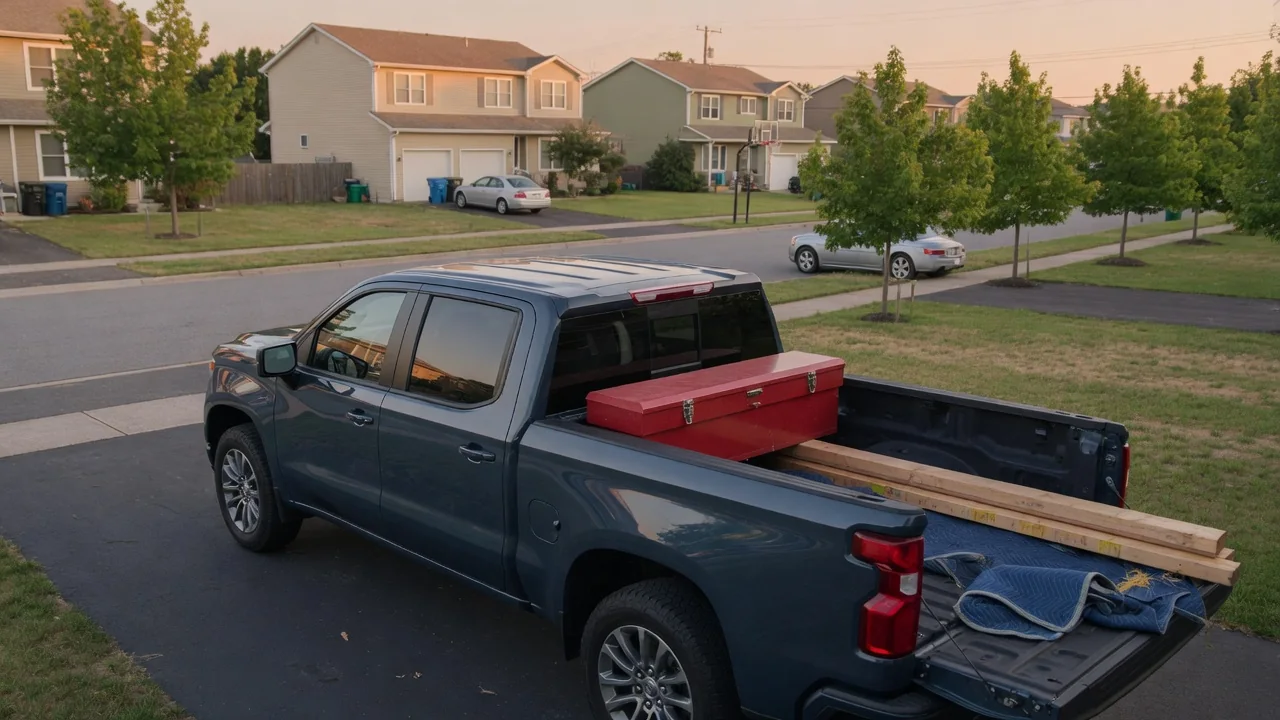
Short beds on pickup trucks are rarely an afterthought. They usually result from a deliberate balance between passenger space, overall vehicle length, and the kind of hauling the truck will actually do. If you are trying to work out why some pickups have short beds, the reasons come down to three connected factors: how much of the truck's length goes to the cabin, how easily the truck fits into everyday spaces, and what cargo its owner really carries.
Cabin tradeoff: where the length goes
A pickup's overall length is shared between the cab and the bed. Manufacturers typically build trucks on a limited set of frame lengths and wheelbases, and each of those has practical limits for handling, weight, and maneuverability. When a truck gets a larger cab with full-size rear doors and a usable back seat, that extra interior length has to come from somewhere. Rather than stretching the whole vehicle indefinitely, a common approach is to pair the roomiest cab with a shorter bed, keeping the total length within a manageable range. This is why short-bed versions are so often associated with four-door cabs, while longer beds tend to appear alongside smaller cabs.
Many buyers accept that trade willingly because the truck serves more than one role. A rear seat that fits adults comfortably, room for child seats, and enclosed space for tools, bags, or groceries that should not ride in an open bed can matter more on a daily basis than extra bed length. Interior storage also keeps valuables out of the weather and out of sight. For a household or work crew that moves people as often as materials, a bigger cab with a shorter bed is often the more useful combination.
There is also an engineering side. Making the truck longer to keep both a large cab and a long bed increases the wheelbase, which generally widens the turning circle, adds weight, and can reduce clearance when cresting a sharp rise off-road. The exact effect depends on the specific vehicle, but the general principle holds: every added inch of length carries consequences elsewhere, and a short bed is one way to limit them.
Parking and everyday maneuvering
Overall length shows up every day in places that were not designed around the largest trucks. Standard parking spaces, residential garages, parking structures, and drive-through lanes all have fixed dimensions. A shorter bed reduces the truck's total length, which makes it easier to stay within the painted lines of a parking space and more likely that the garage door will close behind the tailgate. For owners without a driveway or with an older garage, that difference can decide whether the truck fits at all.
Maneuvering is affected as well. A shorter wheelbase generally produces a tighter turning circle, which means fewer multi-point turns in crowded lots and narrow streets. Less length behind the rear axle also means less rear overhang swinging toward curbs, posts, and other cars during tight turns or when backing into a space. Judging where the end of a long bed sits is difficult from the driver's seat, and while backup cameras and parking sensors help, they do not change the physical size the driver has to place.
In urban and suburban settings, a shorter truck is also less likely to stick out into a traffic lane, sidewalk, or neighboring space when parked. Because cab and bed names are not standardized across brands, it is worth comparing the published overall length of a specific configuration against the depth of your garage or the spaces you use most, rather than relying on a general label.
Cargo: what a short bed can and cannot carry
A shorter bed offers less floor length, but many everyday loads do not need the full length of a long bed. Coolers, camping gear, bagged landscaping material, luggage, toolboxes, and trips to the dump often fit comfortably in a short bed. Usable space also depends on bed width, the distance between the wheel wells, and the height of the bed sides, so length alone does not tell the whole story about what a bed can hold.
Long items are where the limits appear. Full-size sheets of building material, longer lumber, ladders, and kayaks may not lie flat with the tailgate closed. Owners commonly work around this with the tailgate lowered, a bed extender, a ladder or overhead rack, or a trailer. Each of those options requires careful securing, and rules about how far a load may extend beyond the vehicle and how it must be marked vary by location, so it is worth checking the regulations that apply where you drive.
Bed length is also separate from payload and towing ratings. A short bed does not automatically mean lower capacity; those figures depend on the full configuration, including engine, axle, suspension, and drivetrain. A larger cab does add weight, which can reduce available payload in some configurations, so the label on the driver's door jamb and the owner's manual are the reliable references. Owners planning to tow a fifth-wheel trailer with a short bed should also be aware that the front of the trailer can come close to the cab in tight turns, which is why some setups use specialized hitches designed to address that clearance.
Practical implications and limits
The most useful way to decide whether a short bed suits you is to separate routine needs from occasional ones. If people ride in the back seat most days and long loads appear only a few times a year, the occasional job can often be handled with a delivery service, a rented trailer, or a rack. If long materials are part of regular work, the inconvenience of workarounds adds up quickly, and a longer bed may justify the extra length and parking compromises.
Keep a few limits in mind when reading specifications. Advertised bed lengths are nominal figures and may be measured in slightly different ways, so the space you can actually use may differ from the number in a brochure. Accessories such as bed-mounted toolboxes, tonneau covers, and bed liners can reduce usable room further. Not every cab is offered with every bed length, and available combinations vary by manufacturer and model year, so the choice is often made within a narrower range than it first appears.
Ultimately, a short bed pickup is neither a flaw nor an upgrade. It is a packaging decision that shifts length from cargo toward passengers and easier everyday handling. Measuring the items you carry most often, checking the specific configuration's documentation, and being honest about how the truck will be used day to day will tell you more than any general rule about which bed length fits your needs.