Why Do Some EVs Run a Pump After Shutdown?
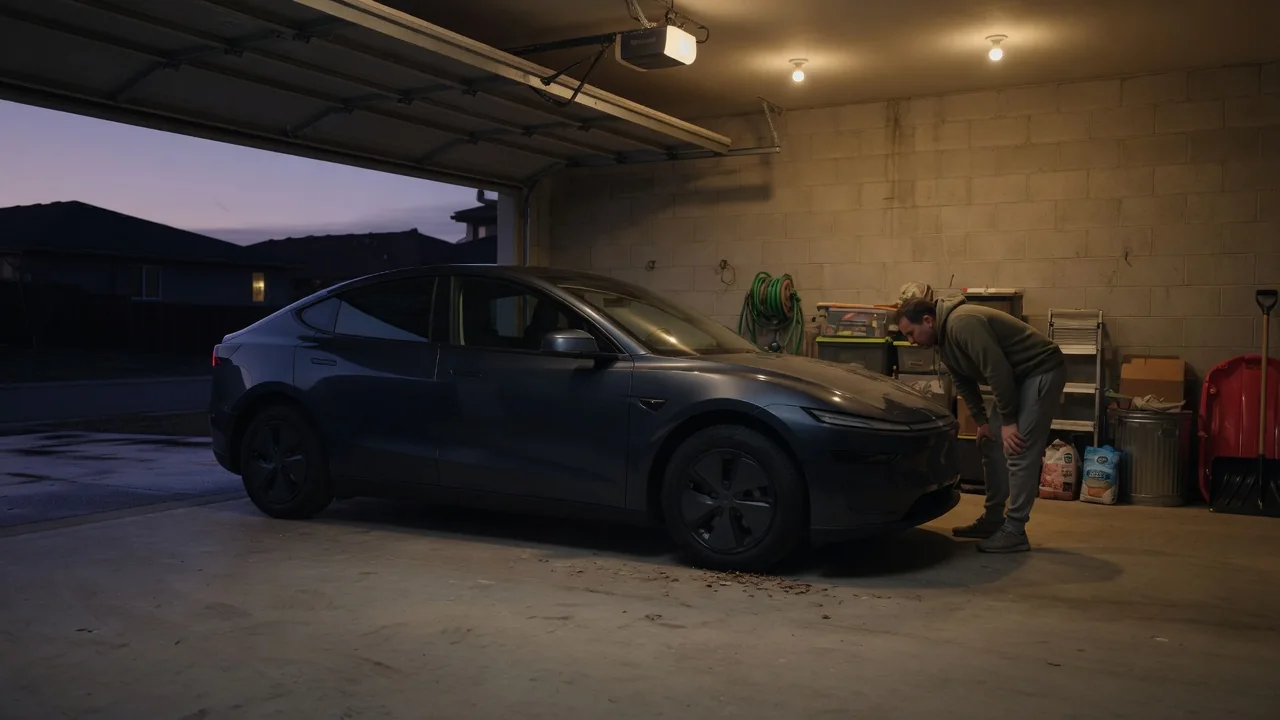
You park your electric vehicle, step away, and still hear a faint hum or the gurgle of moving coolant, even though the car is supposedly off. In many EVs, switching off the drive system does not immediately end thermal management. A coolant pump, and sometimes a radiator fan, may keep working for a while to move heat away from components that are still warm. This article explains why that happens, which parts are usually involved, and which signs point to a problem rather than normal operation.
Residual heat
Heat does not disappear the moment a vehicle stops. Battery cells, power electronics and electric motor windings all have thermal mass, so they store heat generated during driving or charging. While the car is moving, circulating coolant carries that heat to a radiator or to a chiller connected to the air conditioning system. When flow stops, the heat stays where it is and keeps migrating from the hottest internal areas into surrounding material. This effect is often called heat soak. Without continued circulation, some components can stay hot for longer than ideal, and local temperatures can even rise briefly after shutdown because the coolant sitting in the passages is no longer carrying heat away. Running a pump after the drive ends is a straightforward way to keep removing that stored heat.
Post-shutdown cooling is most likely after demanding use: DC fast charging, sustained highway speeds, towing, long climbs or driving in hot weather. Control modules monitor temperature sensors throughout the thermal system, and if readings remain above thresholds chosen by the manufacturer, the software may keep the pump running until temperatures fall into an acceptable range. Those thresholds, the run duration and whether a fan also operates are design decisions that vary between vehicles. They are not standardized across the industry, so the owner's manual is the best reference for what a particular vehicle is expected to do.
It also helps to separate post-shutdown cooling from other reasons a parked EV might run its thermal system. A vehicle that is plugged in may circulate coolant as part of charging, during scheduled cabin or battery preconditioning, or to keep the battery within a preferred temperature range in very hot or cold conditions. Those activities can sound identical to an after-run, but they serve a different purpose and may continue for different lengths of time.
Battery or drive unit
In vehicles with liquid-cooled battery packs, coolant typically flows through cold plates or channels in contact with the cell modules. Lithium-ion cells are known to age faster when they spend long periods at elevated temperatures, so leaving a hot pack to sit without cooling is the kind of condition battery thermal management is designed to limit. Circulation also helps even out temperature differences between cells, which matters because uneven temperatures can contribute to uneven aging across the pack.
The drive unit is the other common reason for an after-run. The traction motor, the inverter that controls it, the onboard charger and the DC-DC converter all produce heat, and in many designs they share a coolant loop or have one of their own. Some vehicles use a single circuit, while others use several loops connected by valves, a chiller or heat pump hardware that can route heat between the battery, the drive components and the cabin. Because of this variety, a pump running after shutdown could be serving the battery, the drive unit, the electronics or a combination of them, and the sound alone usually cannot tell you which.
Not every EV behaves this way. Some vehicles use air-cooled or passively cooled battery packs, and even liquid-cooled systems may decide that no after-run is needed when temperatures are already moderate. Neither the presence nor the absence of a post-shutdown pump is a defect by itself; what matters is whether the behavior matches the conditions and the vehicle's design.
Fault clues
Normal post-shutdown cooling tends to follow a recognizable pattern: it appears after hard use, fast charging or hot weather, runs for a while and then stops on its own. Patterns that deserve a closer look include a pump that runs for an unusually long time after every trip regardless of conditions, one that starts after short, gentle drives in cool weather, or one that cycles on and off rapidly. Unusual sounds also matter. Grinding, rattling or a loud, rising whine can suggest pump wear, while persistent gurgling may indicate air trapped in the coolant loop.
Other clues often appear alongside abnormal pump behavior. Dashboard messages about the thermal system or coolant level, reduced power, or noticeably limited charging speed can all relate to cooling problems. Coolant drips under the vehicle, dried residue near hoses or a low reservoir level are worth noting, but any inspection should follow the owner's manual, since EV cooling components can sit near high-voltage parts, typically marked with orange cabling, that owners should not touch or open. A 12-volt battery that keeps going flat could, among many other causes, point to a module or pump that is not shutting down properly.
Possible underlying causes range from a temperature sensor reporting incorrect values to a software issue, a failing pump, restricted flow, low coolant or a control module that stays awake. These possibilities overlap, so guessing from symptoms is unreliable. Accurate diagnosis generally requires a scan tool that can read fault codes and live sensor data, and manufacturers sometimes address thermal behavior through service bulletins or software updates.
Practical implications and limits
For most owners, a pump running after parking calls for no action. Locking the car and walking away is normally fine, because the system manages itself and shuts down when its conditions are met. Trying to stop it by pulling fuses or disconnecting the 12-volt battery is a poor idea: it can interrupt protective cooling, set fault codes and create problems that did not exist before. The after-run does draw some energy, but that is a deliberate trade-off the designers made in favor of component temperature and longevity.
Some everyday choices can influence how often you notice it. Because the system responds to temperature, demanding sessions such as back-to-back fast charges in summer are more likely to be followed by extended cooling than relaxed driving on a mild day, and parking out of direct sun may reduce the load somewhat. Routine maintenance also matters. Coolant service intervals and fluid specifications for EV thermal loops are set by each manufacturer, and some specify particular formulations, so use only the type and schedule listed for your vehicle.
A general explanation has clear limits. Thermal strategies differ by manufacturer, model year, software version and climate, so what is normal for one vehicle may not be normal for another. If the behavior seems excessive or new, record when it happens, how long it lasts, the outside temperature and what driving or charging preceded it. That record gives a dealer or qualified EV technician useful evidence, and their diagnosis, together with the owner's manual, remains the authoritative answer for a specific vehicle.