Why Do Some Car Lights Fade Out Gradually?
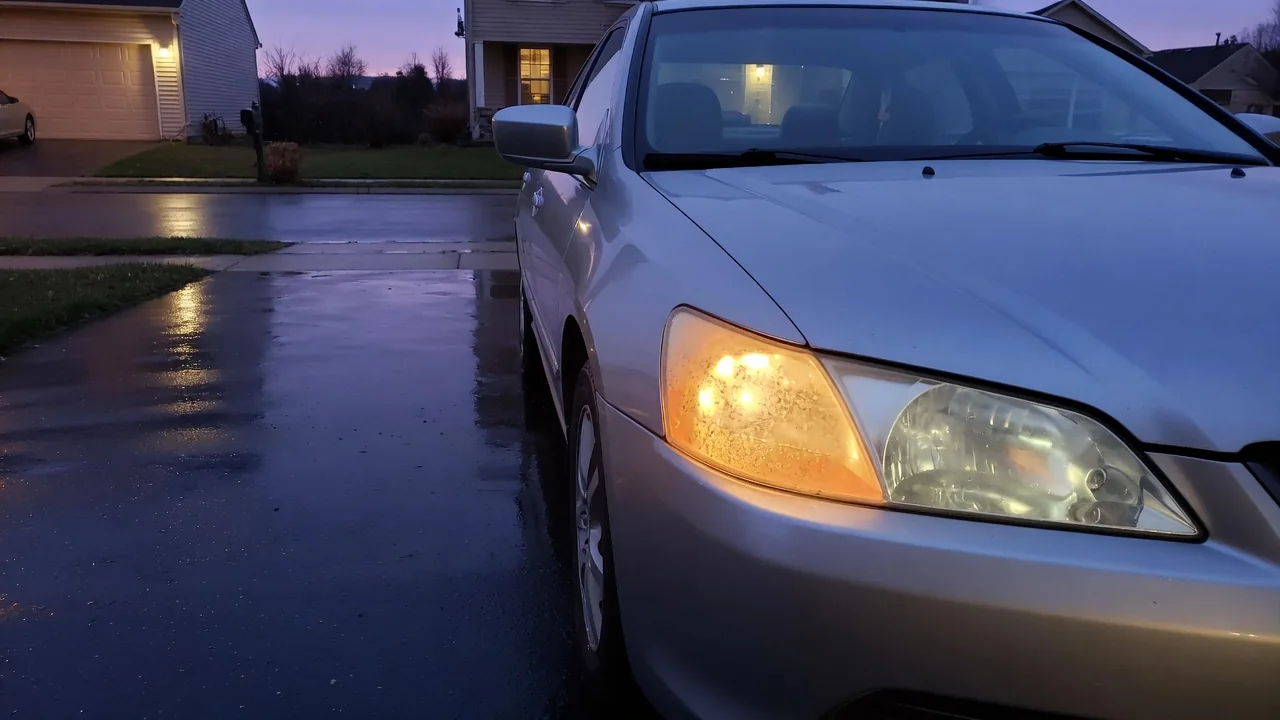
Many drivers notice that the dome light does not snap off after the doors close but slowly dims to darkness instead. If you have wondered why do some car lights fade out gradually, the answer usually lies in electronic control rather than a weak bulb or tired battery. A control module deliberately ramps the lamp down, and understanding that behavior helps separate normal operation from a real problem.
Interior lamps
Interior lamps on older vehicles were wired through simple door-jamb switches, so the bulb received full voltage or none at all. Many modern vehicles route the dome, map, footwell and door courtesy lamps through a body control module instead. That module can reduce the power delivered to the lamp in small steps, commonly by switching the circuit on and off very quickly and shortening each on period. The eye cannot follow the switching, so it sees a smooth decline in brightness, sometimes called theater dimming.
The effect looks slightly different depending on the light source. A filament bulb cools over a fraction of a second, so even a basic circuit produces a brief natural afterglow, while an LED responds almost instantly and depends entirely on the electronics for any fade. Some vehicles dim every cabin lamp together, others treat ambient strips, puddle lamps and the cargo light separately. Lamps switched on manually at the fixture may also behave differently from those triggered by a door, which varies by manufacturer and trim level.
Timer
The fade is usually the final stage of a timed sequence rather than a standalone event. After the last door closes, the module typically holds the lamps on for a delay period so occupants can find seat belts and the ignition, then begins the dimming ramp. This courtesy delay is often cut short by a specific action, such as turning the ignition on or locking the doors with the remote, at which point the lights may dim immediately rather than waiting out the full count.
A second, longer timer often works in the background as battery protection. If a door is left ajar or a lamp is left switched on with the vehicle parked, the module may shut the interior circuits down after a set period to prevent a drained battery. The length of the delay, the speed of the fade and the battery-saver cutoff all differ between vehicles, and some allow the driver to adjust or disable the delay through an infotainment menu or instrument cluster setting described in the owner's manual.
Fault versus feature
A deliberate fade is consistent and repeatable. It starts at the same point in the sequence each time, takes roughly the same duration, and ends with the lamp completely dark. A fault tends to look irregular: lamps that flicker during the fade, glow faintly long after they should be off, dim while the doors are still open, or behave differently from one day to the next. LED replacements fitted in place of original filament bulbs can also glow dimly or flicker because the circuit was designed around a different electrical load.
Lights that weaken while the engine is cranking, or exterior and interior lamps that dim together under electrical load, point toward the battery, charging system or a poor ground rather than courtesy control. A sticking door switch or latch sensor can keep the module believing a door is open, holding lamps on until the battery saver intervenes. If a scan tool retrieves body-related codes, treat them as clues that need confirming against vehicle-specific information, since a stored code does not prove any particular component has failed.
Everyday Use and Observations
Watching the lamps through a normal routine reveals a great deal about how a given vehicle is programmed. Unlocking with the remote often brings the cabin lights up, sometimes with a soft ramp to full brightness that mirrors the fade at the other end. Closing the door starts the delay, starting the engine typically ends it, and walking away after locking usually triggers a prompt dim-out. Noting which action produces which response gives a useful baseline for that particular car.
The position of the dome lamp switch and the instrument panel dimmer wheel also shapes what you see. On many vehicles the lamp has door, on and off positions, and only the door setting allows the timed fade to operate. Turning the panel dimmer to its upper limit can, on some models, switch the interior lights on continuously, which is a frequent cause of lamps that seem to stay lit for no reason. Checking these controls first often explains behavior that initially looks like an electrical problem.
Limits and Next Steps
General explanations only go so far, because courtesy lighting logic is written by each manufacturer and can change between model years, trim levels and even software versions. One vehicle may fade over a second or two while another takes noticeably longer, and neither is wrong. The owner's manual and the vehicle settings menu are the most reliable guides to the intended behavior, and they will indicate whether the delay can be personalized or is fixed by the factory.
When the pattern changes from what the car has always done, further investigation is worthwhile. A battery that repeatedly runs down, lamps that never fully extinguish, or a fade that has become erratic deserves a proper check of battery condition, door switches and the relevant control module by a qualified technician with the correct wiring information. Because these circuits are managed electronically, guessing at parts or probing connectors without guidance can create new faults, so a methodical diagnosis is the sounder path.