Why Do Some Automatics Skip Gears? Load, Speed and Shift Logic
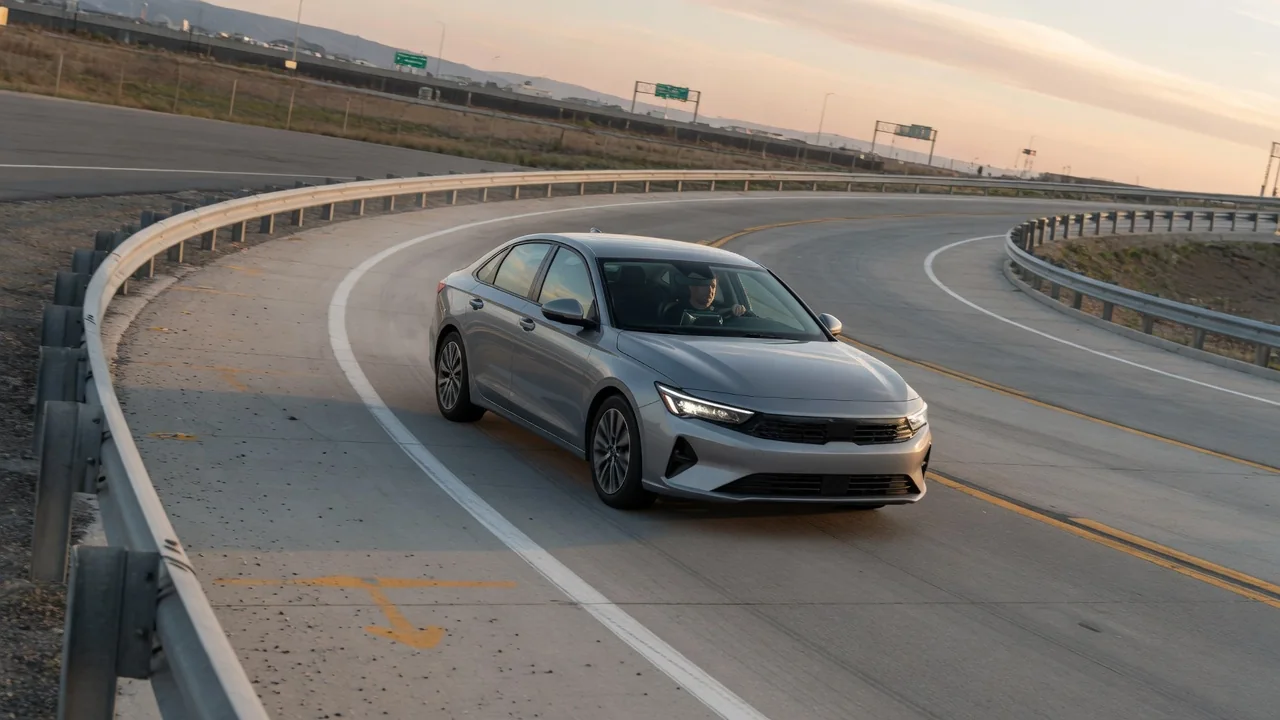
Watch the tachometer in many modern cars and you may see the automatic transmission jump from second straight to fourth, or drop several gears at once when you press the accelerator hard. This is often called a skip shift. The short answer to why some automatics skip gears is that the transmission does not have to use every ratio in order. Its controller picks the gear that best fits current load and road speed, and that is not always the next one.
Load and speed
An automatic transmission decides when to shift by reading a set of inputs, not by following a fixed sequence. The most important inputs are vehicle speed and some measure of engine load. Load is usually derived from accelerator pedal position, throttle opening, airflow or calculated torque demand. In electronically controlled units, these signals go to a transmission control module, which may be a separate unit or part of the engine computer. The module compares the inputs against shift schedules, often called shift maps, which define the right gear for each combination of speed and demand.
Load and speed interact in a predictable way. When the car is moving and the driver asks for very little power, the engine can run at low rpm in a tall gear without struggling. In that situation the controller may decide an intermediate gear offers nothing useful and go straight to a higher one. The reverse also happens. When demand rises sharply at moderate speed, the controller may judge the current gear to be several steps too tall. It then commands a multi-gear downshift so the engine reaches a speed where it can deliver the requested torque. As a result, gentle acceleration on a flat road and firm acceleration up a grade can produce very different gear sequences from the same starting point.
Ratio selection
Transmissions with many forward ratios make skipping both more likely and more useful. Closely spaced gears help keep the engine near an efficient or powerful operating point, but each step changes engine speed only slightly. When conditions call for a large change, passing through every intermediate ratio would add shift events, time and wear for no benefit. Going directly to the target ratio lets the transmission respond in one event, which can feel smoother and quicker to the driver.
The internal hardware also determines which jumps are practical. In a conventional planetary automatic, each gear comes from applying a particular combination of clutches and brakes. Some ratio changes require releasing one element and applying another. Others require several elements to change state at once. Shifts that change fewer elements are generally easier to control precisely, so engineers tend to build shift schedules around the transitions the hardware handles well. This is one reason the gears that get skipped differ between transmission designs, and why a given unit may skip gears in some situations but not others.
Dual-clutch transmissions follow a different logic. Odd and even gears sit on separate shafts, each with its own clutch, and the next expected gear is often preselected. A jump between two gears on the same shaft generally needs an extra step, while a jump to a gear on the other shaft can be handled more directly. Continuously variable transmissions have no fixed steps at all. Some are programmed to imitate stepped shifts, so skipping applies to them only in that simulated sense.
Normal behavior
An automatic transmission skip shift usually means the control strategy is working as designed. Two examples are common. The first is upshifting past one or more gears after the car is already rolling and the driver eases off the pedal. The second is dropping several gears at once during a kickdown for passing or merging. Light-throttle upshift skips mainly serve fuel economy and quieter cruising, while multi-gear downshifts serve responsiveness. Whether and when a particular vehicle does either depends on its own calibration. The manufacturer sets that calibration and can sometimes revise it through software updates.
Driving modes and conditions can change the pattern. Many vehicles adjust shift timing in economy, sport, tow or snow modes. Some also adapt to grades, braking, or a cold engine and cold fluid. Many electronic transmissions use adaptive logic that learns from driving style over time. The same car may therefore shift a little differently after a stretch of relaxed commuting than after spirited driving. Because these strategies vary so much, the owner's manual and the manufacturer's service information are the reliable sources for what a specific model is meant to do.
Practical implications and limits
In everyday driving, a skip shift that happens smoothly, without delay and without warning lights, rarely calls for action. What separates normal behavior from a possible fault is how the shift feels, not the fact that a gear was bypassed. Symptoms worth investigating include: • engine speed flaring up between gears; • a noticeable delay or bump as the next gear engages; • a shudder; • the transmission holding one gear regardless of speed; • a malfunction indicator; A transmission stuck in a single gear is often running in a protective fallback mode, which is different from intentional skipping.
When something feels wrong, three sources give the most useful information: stored diagnostic trouble codes, the condition and level of the transmission fluid where the design allows checking it, and any technical service bulletins or software updates published for that vehicle. Shift quality complaints are sometimes resolved by a calibration update or a relearn procedure rather than mechanical repair, depending on the model and the cause. Where manual or sequential gear selection is available, it can override automatic choices within limits. The controller typically blocks selections that would overspeed or lug the engine.
There are also limits to what an owner can tell without data. Feel alone cannot always reveal which ratio is engaged. In some vehicles, the gear display shows only the selected range rather than the actual gear. Shift schedules are not usually published in detail. Judging whether a specific skip is correct therefore generally requires comparing it with known-good behavior for the same model, or a diagnostic scan by a qualified technician.