Why Do Door Seals Leave Marks on Car Paint?
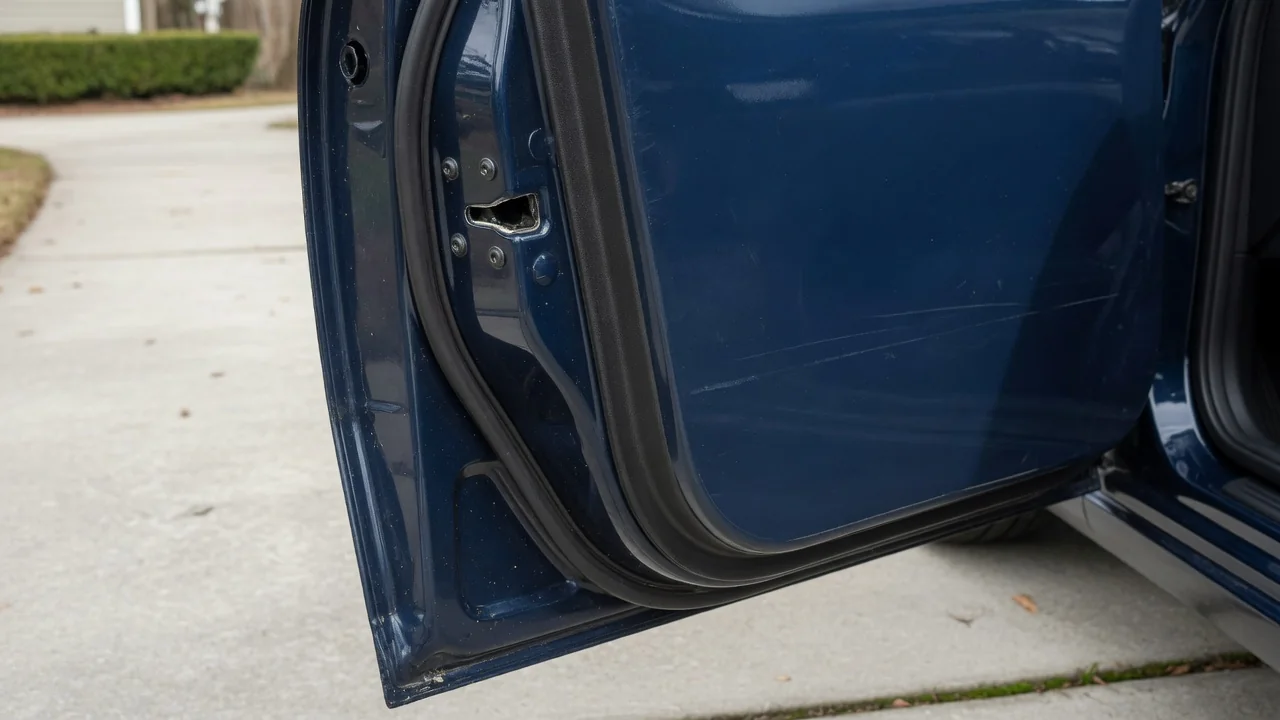
Dark lines or hazy outlines along a door opening are common, especially on light-colored paint. These weatherstrip transfer marks appear where the rubber seal presses against the painted body or door edge. They usually come from substances moving out of the rubber, or from products applied to it, rather than from damage to the seal. Rubber contact, heat, and cleaning habits explain why the marks form and how to deal with them.
Rubber contact: how seals transfer residue to paint
Door seals, often called weatherstrips, are typically made from synthetic rubber compounds such as EPDM. They sometimes include sponge sections or a surface coating. To keep rubber flexible and resistant to weather, manufacturers blend in fillers, oils, and protective additives. Carbon black is widely used as a reinforcing filler and pigment, which is one reason most seals are black. Over time, some of these ingredients can migrate toward the surface of the rubber, a process often described as blooming. When the seal stays pressed against paint for hours or days, that surface film has a direct path onto the clear coat.
Pressure matters as much as chemistry. A door seal is designed to compress so it can block water, wind, and noise. That constant compression keeps the rubber in firm contact with a narrow strip of paint, and the seal shifts slightly every time the door opens and closes. This movement can smear residue into a visible line. It can also act like a light abrasive if grit is trapped between the two surfaces. Dust, road film, and fine sand collect along door openings, so a seal that is not cleaned may rub dirt across the finish as well as rubber residue.
Products applied to the seal are another frequent source. Rubber dressings, conditioners, and silicone-based sprays can leave a glossy, oily layer on the weatherstrip. If too much is applied or the excess is not wiped off, it can transfer to the adjoining paint and attract dirt, creating a gray or brown outline. New seals may also carry residue from manufacturing, such as release agents or surface treatments. That residue can mark paint until it wears off or is cleaned away.
Heat: why warm weather makes marks worse
Heat speeds up most of the processes behind door seal marks. Warm rubber softens, and the oils and additives inside it move more readily toward the surface. Body panels on a car parked in direct sun can become much warmer than the surrounding air, and the seals touching those panels warm along with them. Under these conditions, residue that might stay inside the rubber on a cool day is more likely to reach the paint. Repeated heating and cooling over a season can gradually build up a stain that seems to appear without any obvious cause.
Heat also affects the paint side of the contact. Clear coat becomes slightly softer when it is warm, which can make it more receptive to staining from substances pressed against it. Freshly applied or refinished paint is particularly vulnerable because it may not have fully cured. Paint shops often tell owners how long to wait before certain kinds of contact or care. If a seal presses on uncured paint in hot weather, the mark can become embedded in the surface rather than resting on top of it. An embedded mark is more difficult to remove.
Cleaning: removing marks without harming paint or seals
Most weatherstrip transfer marks are surface residue, so start with the gentlest method. Wash the area with car wash soap, plenty of water, and a soft microfiber towel to remove loose dirt and some oily film. If a line remains, try a tar and adhesive remover or an all-purpose cleaner labeled safe for automotive paint. Either can break down rubber and dressing residue. Diluted isopropyl alcohol is also commonly used to strip oily films. Whatever product you choose, follow the label instructions, test it on an inconspicuous spot first, and do not let it dry on a hot panel.
When residue has bonded more firmly, a clay bar or clay mitt with proper lubricant can lift contamination sitting on the clear coat. A stain that persists after claying may be partly inside the clear coat, and light polishing is then the usual next step. Polishing removes a thin layer of finish, so do it carefully and only as much as needed. Deep or etched marks are best assessed by a detailer or paint professional, who can judge how much clear coat is left to work with.
Cleaning the seal itself is just as important, because a dirty or over-dressed weatherstrip will simply recreate the mark. Wiping the rubber with mild soapy water removes grit and loose residue. Keep strong solvents away from seals, since they can dry out or swell rubber depending on the compound. If you use a protectant, choose one made for automotive rubber. Apply it sparingly and buff it off so the surface is not wet or greasy, which reduces the chance of transfer.
Practical implications and limits
Door seal marks are usually a cosmetic problem rather than a sign that the seal is failing. White, silver, and pale gray finishes show them most clearly, while the same residue may go unnoticed on darker paint. If a mark returns soon after cleaning, something is still supplying it. Common culprits are a dressing being reapplied, a new seal still releasing manufacturing residue, or dirt building up in the door opening. Noting when the line reappears, and in what weather, helps narrow down the cause.
General advice has limits. Seal materials, coatings, and the way each door closes vary between vehicles, so the location and severity of marks can differ even between similar cars. A seal that is cracked, torn, flattened, or sticky to the touch may be degrading. Replacement is a separate question, best checked against the vehicle's service information. On recently painted panels, follow the refinisher's guidance on cure time over general cleaning tips. Finally, polishing can improve embedded stains but cannot restore clear coat once it has been removed. Routine gentle cleaning of both paint and seals is the most reliable way to keep marks from forming.