Why Do Car Wiper Blades Age in Summer?
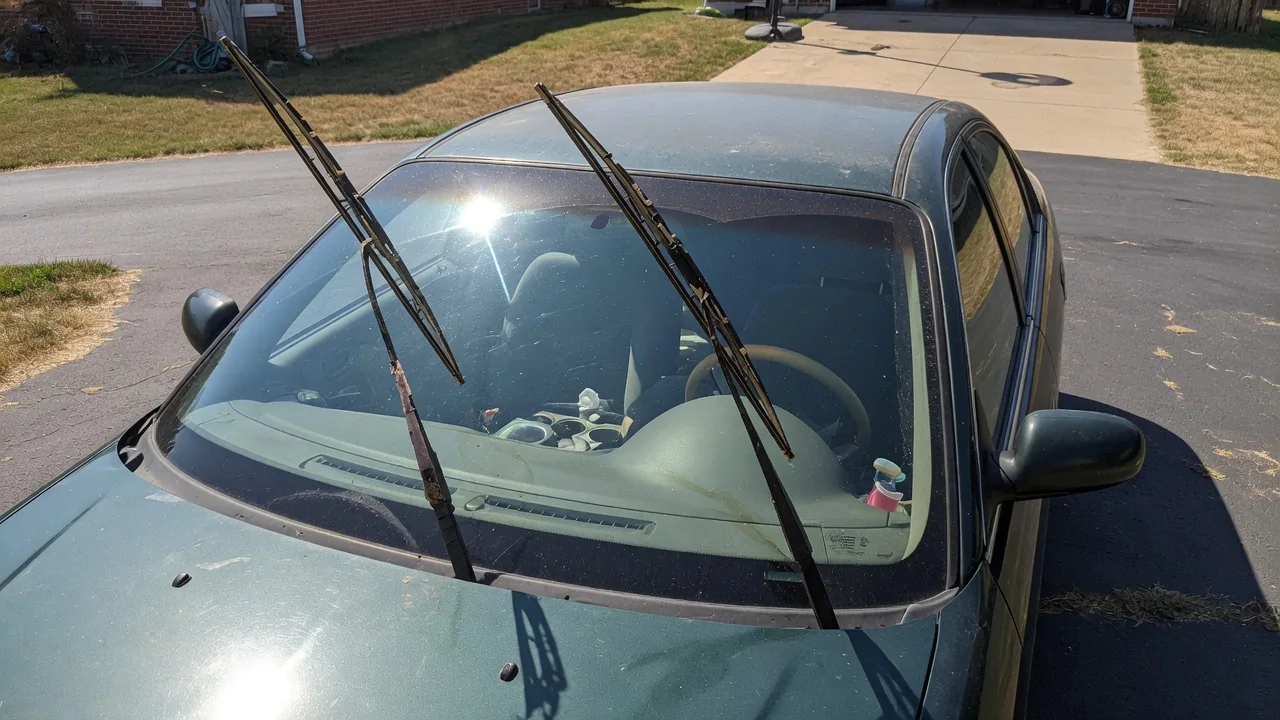
Many drivers wonder why do car wiper blades age in summer when the wipers barely move for weeks. The answer lies in the materials: a thin rubber edge sits against hot glass under strong sunlight, slowly losing the flexibility it needs. Understanding how sun, heat and blade construction interact helps explain the streaks that appear with the first autumn rain.
Rubber exposure
The wiping element is a narrow strip of natural rubber, synthetic rubber or a silicone-based compound, and it spends summer parked against one of the hottest surfaces on the vehicle. Ultraviolet light breaks down the polymer chains near the surface, while ozone in warm air attacks the same material from outside. Together they harden the outer skin, so an edge that once flexed smoothly over the glass becomes stiff, chalky and prone to fine cracks along its length.
Heat adds a second problem. A windshield in direct sun can become far hotter than the surrounding air, and the blade is pressed against it by spring tension in the arm. Over time the rubber can take a set, keeping the shape of its parked position instead of flipping cleanly on each stroke. Blade materials respond differently, and coatings such as graphite or other treatments vary by manufacturer, so two vehicles parked side by side may age at different rates.
Streaking signs
Streaking is usually the first visible evidence. A hardened edge no longer conforms to the curve of the glass, so it leaves thin lines of water or a hazy film that smears in oncoming headlights. Small nicks or cracks produce consistent stripes in the same place on every pass, while a wider unwiped band often points to a blade that has taken a permanent curve or an arm that is no longer applying even pressure.
Sound and motion offer further clues. Chattering, squeaking or a blade that skips across the glass suggests the rubber is too stiff to reverse direction smoothly, although a dry or contaminated windshield can cause similar behavior. Summer leaves its own residue, including baked-on insects, tree sap, dust and road film, which can mimic blade wear. Cleaning the glass and the wiping edge first helps separate a dirty surface from rubber that has genuinely deteriorated.
Storage care
Where the vehicle rests during the day matters more than how often the wipers run. Parking in a garage, under a carport or in building shade reduces both ultraviolet exposure and glass temperature, slowing the hardening process. A windshield sunshade placed inside the cabin protects the dashboard but does little for blades sitting outside the glass, so an exterior cover or shaded parking spot is the more relevant protection for the rubber itself.
Simple care helps as well. Wiping the rubber edge with a damp, soft cloth removes grit that would otherwise be ground into the surface, and keeping the washer reservoir filled avoids dry wiping across dusty glass. Some owners lift the arms away from the windshield during long stays, though designs differ and certain vehicles require a service position before the arms can be raised safely. The owner's manual is the right reference for that detail and for any cleaning products to avoid.
Everyday Use and Observations
Summer driving habits contribute in less obvious ways. Wipers often sit idle through dry weeks, then are asked to clear a sudden downpour over glass coated with dust and pollen. That first sweep drags abrasive particles under the edge, wearing a profile that heat has already made brittle. Using the washer spray before the blades move, and avoiding wipers as a tool for scraping dried insects, reduces the mechanical stress added to sun damage.
A quick look every few weeks reveals a lot. Healthy rubber feels supple and shows a clean, straight edge; aged rubber feels hard, looks faded or gray, and may show splits, rounded corners or sections pulling out of the frame. Conventional framed blades, beam-style blades and hybrid designs distribute pressure differently, and rear wipers on hatchbacks and SUVs often age unnoticed because they are used less. Plastic end caps and connectors can also turn brittle in strong sunlight.
Limits and Next Steps
Care slows aging but cannot reverse it. Once the edge has cracked, hardened or deformed, cleaning or conditioning products will not restore a reliable wipe, and replacement is the sensible course. How long a set lasts depends on climate, parking conditions, material and usage, so no single interval fits every driver. Vehicle makers publish their own guidance, and blade length, attachment style and any integrated washer features should be confirmed for the specific model before buying.
Not every wiping problem is the blade's fault. A weak arm spring, a bent arm, worn linkage or a windshield with pitting or an old coating can leave streaks even with fresh rubber, and these deserve a technician's inspection if new blades do not improve visibility. Checking the wipers at the end of summer, before the wet season arrives, is a practical habit, because clear vision in the first heavy rain depends on rubber that survived the heat.