Why Do Car Windows Fog When Wet Coats Are Inside?
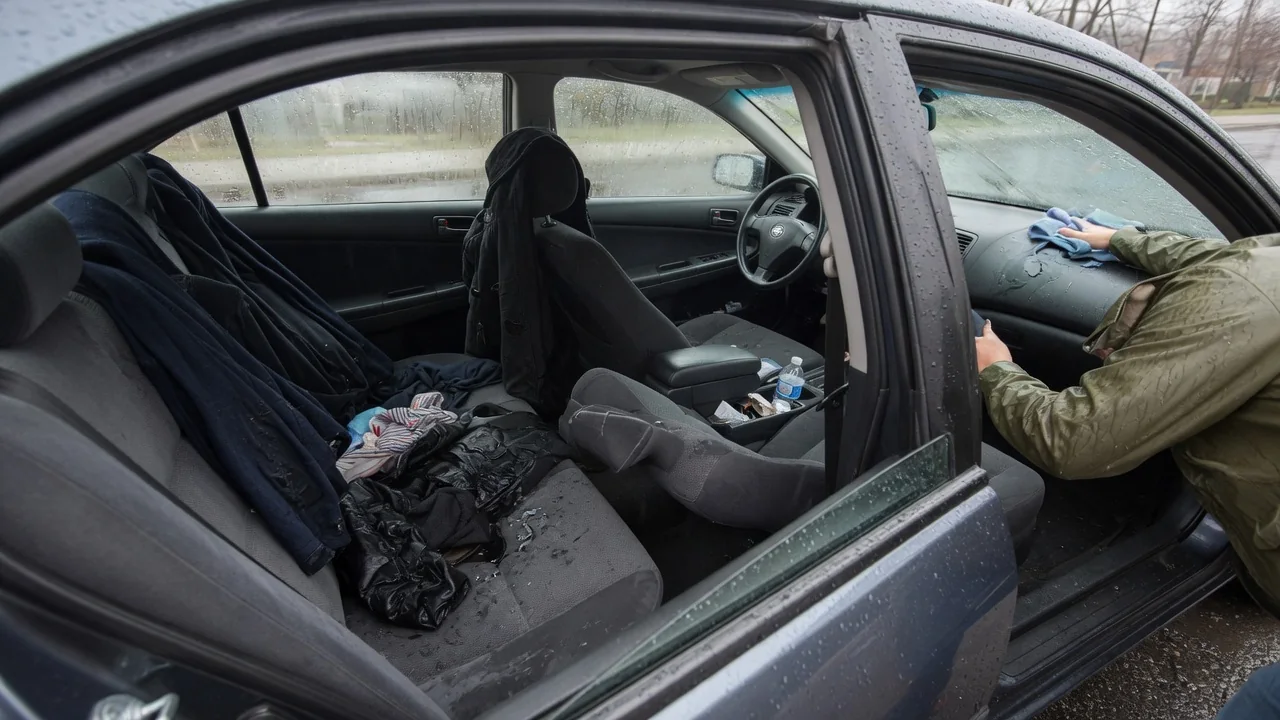
Climb into a car on a rainy day wearing a soaked jacket and the glass often turns hazy within minutes. Understanding why car windows fog when wet coats are inside comes down to simple physics: water leaving the fabric raises cabin humidity, and that humid air gives up its moisture on the coldest surface available, which is usually the glass.
Moisture source
A rain-soaked coat can hold a surprising amount of water in its outer fabric, lining and padding. Once the doors close, body heat and warm air from the heater speed up evaporation, turning that liquid into water vapor that mixes with the cabin air. Passengers add more through breathing, and wet shoes, umbrellas and damp floor mats contribute too. The result is a small sealed space where humidity climbs far faster than it would in a dry cabin carrying the same number of people.
Glass matters because it is thin and sits directly against cold outside air, so its inner surface stays cooler than the seats, dashboard or headliner. When humid air touches glass that is below the dew point, vapor condenses into tiny droplets that scatter light and appear as fog. Drivers often see it start at the lower edges of the windshield or on the side windows nearest the wet clothing. How quickly it spreads varies with cabin size, glass area and how many damp items are aboard.
Ventilation
Ventilation determines whether that moisture stays in the cabin or leaves it. In recirculation mode, the climate system keeps cycling the same air, so vapor from wet coats accumulates with every pass and fogging worsens. Switching to fresh air intake draws in outside air, which in cold weather usually holds less water once warmed, and pushes humid air out through the body's exhaust vents. Many drivers notice the glass begin to clear within a minute or two of making that single change.
Airflow direction also matters. The defrost setting sends air across the inside of the windshield, warming the glass above the dew point and carrying moisture away from its surface. On many vehicles, selecting defrost automatically engages the air conditioning compressor and fresh air intake, though this behavior differs between manufacturers and climate control designs. Some cars offer automatic humidity sensing, while others rely entirely on manual settings, so the owner's manual is the best guide to what a particular system does on its own.
Dry the cabin
Clearing the glass is only a temporary fix if the water remains in the car. Air conditioning is the most effective dehumidifier on board, because cabin air passing over the cold evaporator sheds moisture that then drains out beneath the vehicle. Running the air conditioning together with heat is perfectly normal and gives warm, dry air that pulls dampness out of fabrics. Drivers who avoid using the compressor in winter often find their windows stay misted far longer after a wet journey.
Removing the source helps even more. Shaking off a coat before getting in, placing it in the trunk or cargo area, and tipping water out of rubber mats all reduce the load on the climate system. Carpets and seat fabric that soak up drips can release moisture for days, so airing the car out in dry weather with the windows cracked makes a difference. Moisture-absorbing pouches can assist in a persistently damp cabin, although they work slowly and cannot replace proper airflow.
Everyday Use and Observations
Patterns in daily driving reveal a lot about where the moisture originates. Fog that appears only after rainy commutes with wet outerwear on the seats, then clears quickly under defrost, points to ordinary evaporation rather than a fault. The rear and side windows often mist first because they receive less direct airflow than the windshield. Short trips make things worse, since the engine and heater barely reach working temperature before the car is parked again with damp air sealed inside.
The condition of the glass itself changes what drivers see. A film of dust, vinyl residue or smoke on the inner surface gives droplets more places to cling, so dirty glass fogs sooner and clears in streaks. Cleaning the inside of the windows thoroughly often reduces how heavy the misting looks. Vehicles with large windshields, panoramic roofs or compact cabins can behave differently, and a full load of passengers in wet clothing will always fog faster than a lone driver.
Limits and Next Steps
Wet coats explain a lot, but not everything. If the windows fog heavily when nothing damp has been inside, or the cabin smells musty, water may be entering or failing to leave. Possibilities worth having checked include a clogged cabin air filter restricting airflow, a blocked evaporator drain, leaking door or sunroof seals, or soaked carpet underlay. A sweet smell with a greasy film on the windshield can suggest a coolant leak from the heater core, which deserves prompt professional attention.
Weak defrost performance is another reason to look further. Air conditioning that no longer cools well will also dehumidify poorly, and a recirculation flap stuck closed can trap moisture regardless of the selected setting. These components vary considerably between vehicles, so a technician familiar with the specific model is best placed to confirm the cause. Until then, driving with obscured glass is unsafe; waiting for clear visibility before moving off is always the right call, however inconvenient the delay.