Why Do Car Windows Fog Up From the Inside?
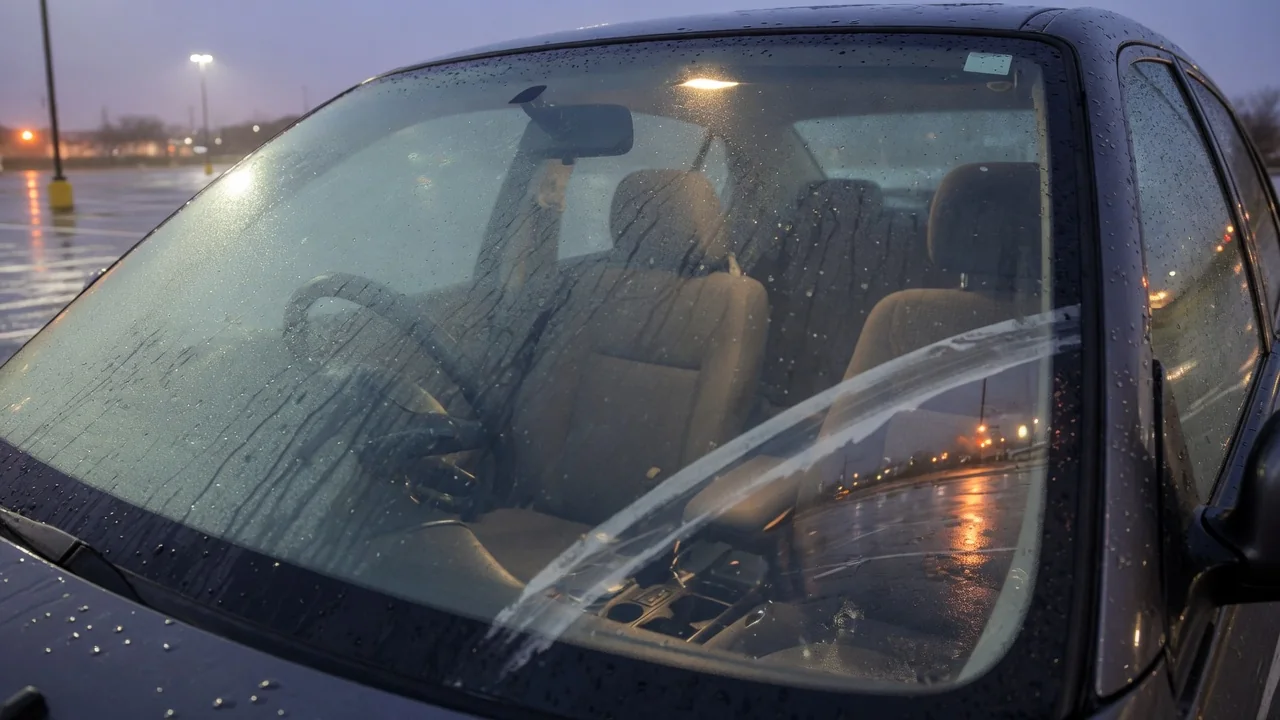
Anyone who has wondered why do car windows fog up from the inside is really asking about humidity meeting cold glass. When warm, damp cabin air touches a windshield cooled by outside weather, water vapor condenses into a fine film. Understanding where that moisture comes from, and how airflow settings remove it, makes clearing the glass faster and more predictable.
Moisture sources
The largest moisture source in most cabins is the people inside. Every breath carries water vapor, and several passengers in a closed car can raise humidity quickly, especially on a cold morning when the glass sits well below the temperature of the air around it. Once that air cools against the windshield past its dew point, it can no longer hold the vapor, and droplets form on the inner surface. This is why fog often appears first within minutes of everyone getting in.
Other sources are easier to overlook. Wet floor mats, snow carried in on boots, damp coats, umbrellas, and a soaked dog all release moisture as the cabin warms. Hot drinks and takeout food add a little more. Water held in carpet padding evaporates slowly and can keep humidity high for days after a rainy week. How quickly a particular vehicle fogs depends on cabin volume, seal condition, and how its ventilation system draws in outside air, so two cars in the same weather may behave quite differently.
Defog settings
Clearing interior fog depends on two things: drying the air and warming the glass. Selecting the windshield defrost mode directs airflow at the base of the glass, and on many vehicles it also engages the air conditioning compressor automatically. That matters because the evaporator cools incoming air enough to pull water out of it before the heater core warms it again. The result is warm, dry air, which absorbs moisture from the glass far more effectively than warm air alone.
The recirculation setting is the choice that most often works against drivers. Recirculating keeps the same humid air cycling through the cabin, so fog tends to build rather than clear. Switching to fresh air brings in outside air that usually carries less moisture in cold weather. A higher fan speed moves more air across the glass, and the rear window relies on its electric heating grid instead. Control layouts and automatic behavior differ between manufacturers, so the owner's manual is the reliable guide to what each button actually does.
Recurring fog checks
Fog that returns constantly, even with sensible settings, suggests the cabin is holding more moisture than normal. A practical first check is the carpet, particularly in the front footwells and under the mats. Pressing a hand firmly into the carpet can reveal dampness that is not visible from above. Persistent wetness may point toward a blocked air conditioning drain, clogged drains near the base of the windshield or around a sunroof, or door and trunk seals that no longer shed water properly.
A cabin air filter loaded with debris can restrict airflow enough to make defogging sluggish, so weak output from the vents is worth noting. A sweet smell combined with a greasy film on the inside of the windshield and an unexplained drop in coolant level deserves prompt attention, because those signs together can indicate a heater core leak. None of these observations proves a specific fault on its own, but each one narrows the possibilities and gives a technician something concrete to investigate.
Everyday Use and Observations
Daily habits influence how often the glass mists over. A clean inner windshield fogs less readily, because the haze left by plastics, smoke, and fingerprints gives water droplets a surface to cling to. Wiping the glass with a proper cleaner and a lint-free cloth often makes a noticeable difference. Shaking out floor mats, removing wet clothing or gear from the cabin overnight, and knocking snow off footwear before getting in all reduce the moisture that the ventilation system later has to remove.
Patterns are worth watching. Fog that appears only on cold, wet mornings with a full car is ordinary physics. Fog that forms when driving alone in mild weather, or that lingers long after the engine has warmed up, hints at trapped moisture. Noting whether it starts low on the windshield, concentrates on one side, or comes with a musty smell helps pinpoint the source. Fog on the outside of the glass in humid summer weather is a separate situation, cleared with the wipers rather than the defroster.
Limits and Next Steps
Climate settings and good habits manage humidity, but they cannot fix a leak or a mechanical fault. If the air conditioning no longer cools, the system loses much of its ability to dry the air, and defogging slows accordingly. Moisture absorbers placed in the cabin may help modestly with residual dampness, though they treat the symptom rather than the cause. Anti-fog coatings can also delay condensation, but results vary with the product and how carefully the glass was cleaned beforehand.
Because fogged glass directly reduces visibility, it should be treated as a safety matter rather than an annoyance. Waiting until the windshield is clear before pulling away is the safest practice. When wet carpet, a coolant odor, weak vent airflow, or fog that defies every setting keeps recurring, a professional inspection is the sensible next step. Drain locations, filter access, and climate system design vary by vehicle, so diagnosis is best confirmed against information specific to the make and model.