Why Do Car Rooflines Taper Toward the Rear?
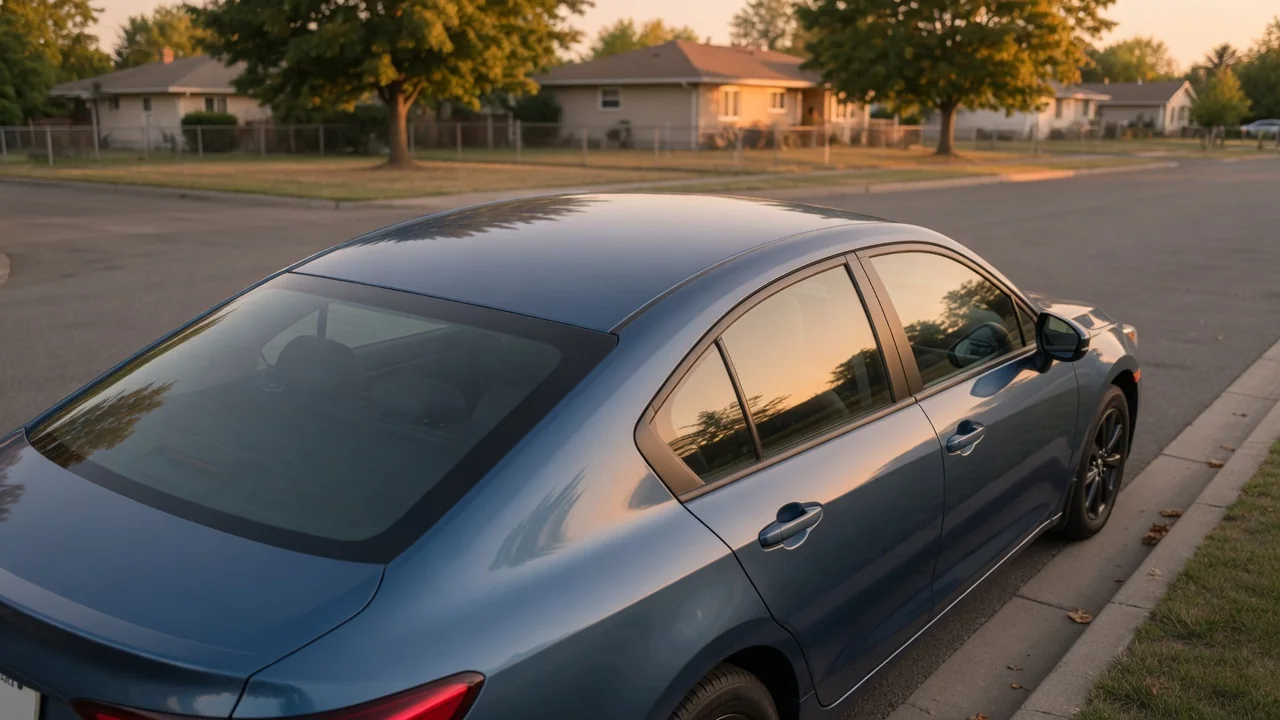
Anyone who has compared a boxy wagon with a sleek fastback has probably wondered why car rooflines taper toward the rear. The answer combines three pressures that designers balance on every project: how the shape looks, how air leaves the body at speed, and how much room remains for passengers and luggage. Each choice brings gains and compromises worth understanding.
Silhouette
Viewed from the side, a tapering roof gives a car a sense of motion even when parked. The roof typically peaks somewhere near the front seats, then falls gently toward the trunk or liftgate, so the body looks lower and longer than its real dimensions suggest. Designers often reinforce the effect with side windows that narrow rearward and a rising beltline, which together make the cabin appear compact and the lower body appear planted over the rear wheels.
Airflow gives that silhouette a functional purpose. Air flowing over a roof tends to stay attached if the surface falls away gradually, which shrinks the turbulent wake dragged behind the vehicle. A smaller wake generally means less drag, and less drag helps fuel economy or electric driving range at highway speeds. The roof often narrows in plan view as well, so the taper works in two directions. How steeply and where the drop begins varies widely between sedans, coupes, hatchbacks and crossovers.
Headroom and cargo effects
The cost of a falling roof shows up first above the rear seats. As the roof descends, the space over rear passengers' heads shrinks, and taller occupants may find their hair brushing the headliner or the top of the door opening. Manufacturers respond in different ways, such as lowering the rear seat cushion, reclining the backrest slightly, or scalloping the headliner. These measures recover some headroom, but they can change thigh support and seating posture in ways worth checking in person.
Cargo space is affected differently. Floor area may match that of a squarer vehicle, yet the usable height near the rear opening is reduced, so tall boxes, bicycles or pet crates may not fit even when the listed volume looks generous. A sloped liftgate can also limit how high items stack behind the seats. Sedans with a separate trunk face another version of the issue, since a long sloping rear window can shorten the trunk lid and narrow its opening.
Sightline tradeoffs
Rearward visibility is the compromise drivers notice most quickly. A steeply raked rear window presents a shallow slice of glass when viewed through the interior mirror, so the scene behind looks like a narrow band rather than a full picture. Rear head restraints, a high trunk line or a spoiler across the glass can trim that band further. The view is usually adequate for following traffic, but judging the position of a low object close behind can be difficult.
Tapering shapes also tend to produce thick rear pillars and small rear quarter windows, which widen the blind areas over the driver's shoulders. Lane changes and reversing out of angled parking spaces are where this matters most. Many vehicles offset the loss with larger door mirrors, backup cameras or blind spot warning systems, though equipment differs by model and trim. These aids help, yet they supplement rather than replace a careful mirror setup and a direct shoulder check.
Everyday Use and Observations
Daily life with a tapered roof reveals smaller details. Rear passengers may need to duck more when climbing in because the door opening follows the falling roof, and installing a child seat can mean more bending. A sloping rear window collects dust, rain and snow differently from an upright one; some shapes keep airflow moving across the glass, while others let road film settle, which explains why certain body styles include a rear wiper and others omit it.
Other observations are easy to make in a parking lot. Compare how far back the highest point of the roof sits on different vehicles, and notice whether the rear glass is nearly flat or fairly upright. Roof racks may sit further forward on a strongly tapered body, changing how long loads are carried. Wind noise and highway efficiency can benefit from the smoother shape, but those results depend on the whole design, including underbody, mirrors and wheels.
Limits and Next Steps
Roofline shape alone cannot predict how a vehicle performs or how roomy it feels. Two cars with similar profiles can differ greatly in drag, headroom and cargo usefulness because of seat placement, floor height, battery or fuel tank location, and details at the trailing edge. Likewise, a squared-off rear does not guarantee poor efficiency. Published interior measurements also use standardized methods that may not reflect how a particular person sits or what they actually carry.
The practical next step is to test the things that matter to your household. Sit in the rear seat with your usual posture, check clearance while entering and exiting, and load a bulky item you regularly transport. Adjust the driver's seat and mirrors, then assess the view rearward and over each shoulder. For dimensions, equipment and rack or load limits, rely on the owner's manual and manufacturer information for the specific vehicle rather than assumptions based on its profile.