Why Do Car Lights Dim While Starting?
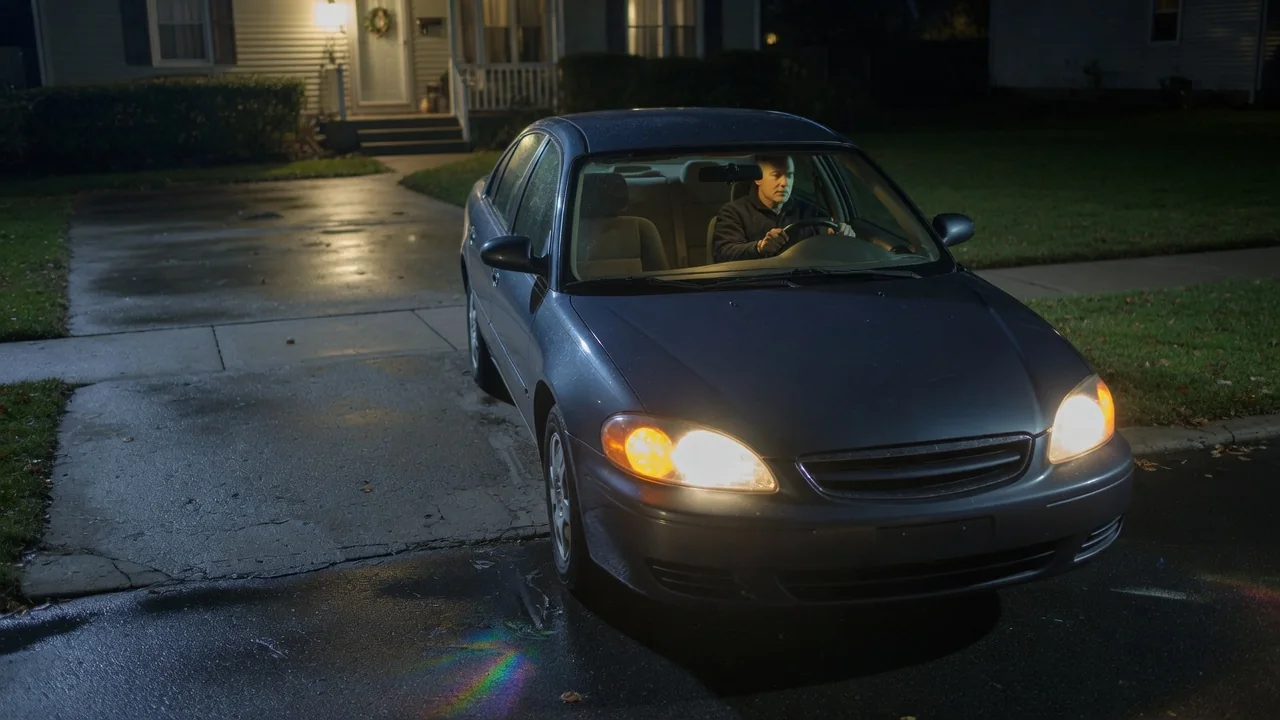
Anyone who has turned the key at night and watched the headlights or dome light fade for a moment has wondered why car lights dim while starting. The short answer is that the starter motor briefly demands more electrical power than anything else on the vehicle. A small, quick dip is normal; a deep or lingering one deserves a closer look.
Current draw
The starter motor has one of the hardest jobs in the electrical system: spinning a stationary engine against compression, friction and thick oil until it fires. To do that it pulls a very large current from the battery, far more than headlights, blower fans or heated seats combined. That demand peaks in the first instant, when the motor is stalled and has not yet begun to turn, then eases as the engine picks up cranking speed.
Because every circuit shares the same battery, that surge leaves less electrical pressure available for everything else. Lights are simply the most visible indicator, so they show the effect first. The size of the demand varies with the vehicle. A large diesel or high-compression engine generally asks more of its starter than a small gasoline engine, and cold weather raises the load further because the oil is thicker and the engine is harder to turn.
Voltage drop
A battery is not a perfect power source. It has internal resistance, and the harder it is asked to deliver current, the more its terminal voltage sags. During cranking, system voltage falls noticeably below its resting level and then recovers once the engine runs and the alternator takes over. Traditional halogen bulbs respond directly to that sag, glowing dimmer and slightly more yellow for the second or two the starter is engaged.
Resistance elsewhere adds to the effect. Corroded battery terminals, loose clamps, a tired ground strap between engine and body, or aged cables all waste voltage as heat before it reaches the starter or the lighting circuits. Lighting technology changes what you see as well. Many LED lamps are regulated electronically and may hold steady or flicker rather than fade, while an infotainment screen might reset briefly instead, so the same dip can look different from one car to another.
Warning signs
Dimming becomes excessive when the lights nearly go out, when the dashboard blacks out or the clock and radio presets reset, or when the fade comes with slow, labored cranking. A rapid clicking sound with the lights pulsing in time usually means the voltage is collapsing so far that the starter solenoid cannot stay engaged. These symptoms point toward a weak or discharged battery or a poor connection, although they do not identify which on their own.
Change over time matters as much as severity. If the lights dipped slightly last year and now drop dramatically, something has deteriorated. Other clues include a battery warning light that stays on after startup, headlights that brighten and dim with engine speed while driving, a swollen battery case, or crusty deposits around the terminals. Lights that stay dim after the engine is running suggest a charging problem rather than a starting one, which shifts attention toward the alternator and its drive belt.
Everyday Use and Observations
Driving habits shape how pronounced the dip appears. Frequent short trips may not give the alternator enough time to replace what each start removes, so the battery gradually sits at a lower state of charge and sags more on the next start. A car left parked for weeks behaves the same way, since modules and alarm systems draw a small current continuously. Leaving headlights, heated rear glass and the blower running while cranking adds to the burden as well.
Temperature is the other everyday factor. A battery delivers less current when cold, just when the engine needs more effort to turn, so a dip that is barely visible in summer can look alarming on a frosty morning. Vehicles with automatic stop-start systems are built to restart many times per trip and often use upgraded batteries and voltage stabilization so that lights and screens stay steady. On those cars, visible dimming at restarts is more telling than on an older conventional vehicle.
Limits and Next Steps
Watching the lights is a useful hint, not a diagnosis. The same symptom can come from an aging battery, a low state of charge, resistance in a cable or ground, a starter drawing more than it should, or an engine that is unusually hard to turn. Replacing the battery on the strength of dim lights alone can leave the real cause untouched. Acceptable cranking voltage and battery specifications also differ by manufacturer, so the figures that apply are those published for the specific vehicle.
A sensible next step is a visual check for loose or corroded terminals with the engine off, followed by a proper battery and charging system test at a workshop or parts store. Those tests measure how the battery behaves under load and whether the alternator is restoring charge, which a simple resting voltage reading cannot show. If the battery passes and the dimming persists, a technician can measure voltage drop across the cables and assess starter current to locate where the loss is occurring.