Why Do Car Interiors Mix Matte and Glossy Surfaces?
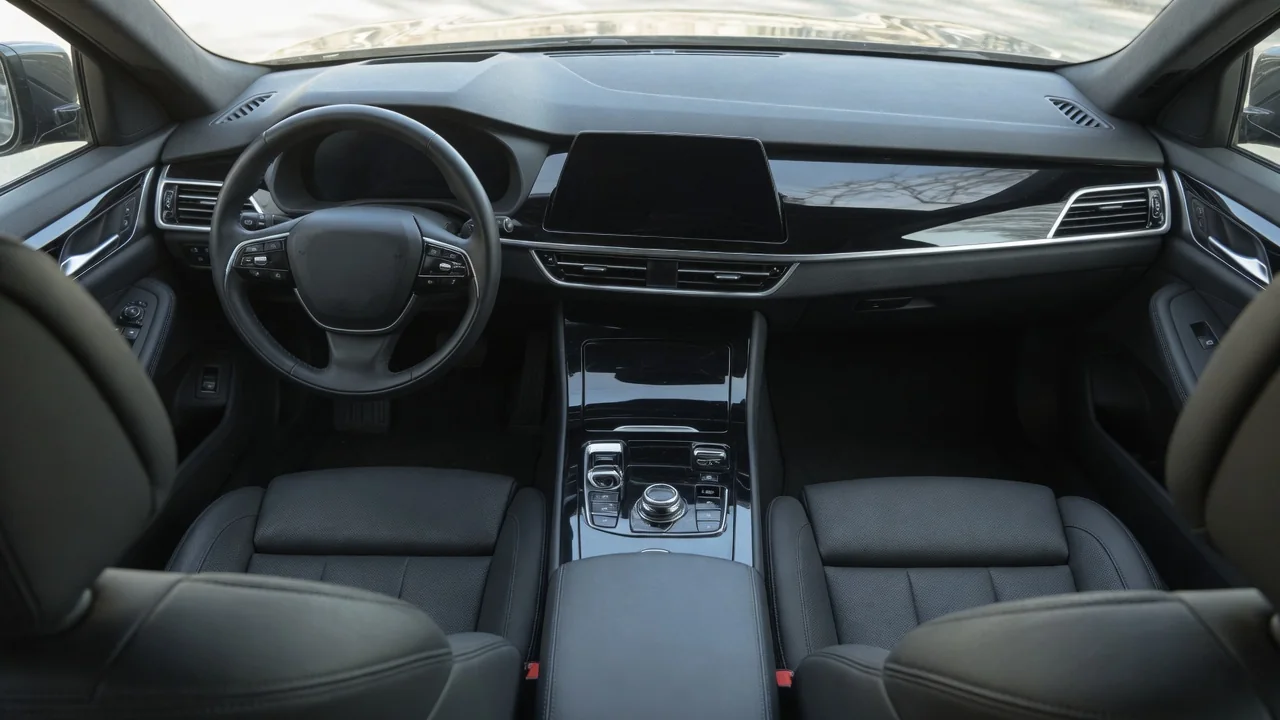
Most modern cabins follow a deliberate pattern. Soft, low-sheen surfaces cover the dashboard top and door panels, while glossy accents appear around the center console, vents, or screen bezels. This mix is not purely decorative. Interior trim finish choices balance how surfaces handle light, how they show everyday wear, and how easily they can be cleaned. Those trade-offs explain why designers rarely use a single finish throughout the car.
Reflections
Every surface reflects light in two ways at once. A smooth, glossy surface sends much of the light back in a single direction, like a mirror. This is called specular reflection. A matte or textured surface scatters light in many directions, which is called diffuse reflection. As a result, a glossy panel can show a sharp image of a bright window or the sun, while a matte panel simply looks evenly lit. That difference matters in a space where the driver needs to see clearly through glass and read displays at a glance.
The top of the dashboard sits directly below the windshield, and on a sunny day it is strongly lit. If that surface were glossy and light-colored, its image could appear in the windshield as a distracting veil over the road ahead. This is why upper dashboards are commonly finished in dark, low-sheen, grained materials. The same logic applies around the instrument cluster and the hood over it, where a shiny surface could bounce light toward the driver's eyes or wash out the screen. Keeping the areas closest to the driver's line of sight matte reduces these unwanted reflections without asking the driver to adjust anything.
Glossy finishes are not banished, though. They tend to appear lower in the cabin or on trim pieces angled away from the driver's eyes, such as console surrounds, door switch panels, and decorative inlays. In those positions, reflections are less likely to reach the windshield or the driver directly. That leaves the finish free to do what it does best: add depth, contrast, and a sense of richness. A few glossy accents against a mostly matte background also help guide the eye toward controls and design features.
Wear Visibility
Gloss and matte reveal use in opposite ways. A smooth, high-gloss surface makes anything on it stand out. Fingerprints, smudges, dust, and fine scratches all interrupt the uniform reflection, so they are easy to spot, especially on deep black trim in bright light. Small circular marks left by repeated wiping, often called swirl marks, are particularly noticeable on gloss because each tiny scratch catches the light. For this reason, glossy trim placed where hands rest or reach often can look worn sooner than the material actually is.
Matte and textured surfaces hide many of these marks because the grain already scatters light, so a minor scratch or fingerprint blends into the pattern. They are not immune to wear, however. In high-contact areas, repeated rubbing can flatten the texture and gradually create shiny patches, which is the reverse of what happens to gloss. Scuffs from shoes, bags, and seat belts can also leave visible marks on lower door panels and seat backs. Designers weigh these tendencies when deciding which areas receive which finish, often reserving gloss for zones that are seen more than they are touched.
Cleaning
Glossy trim is smooth, so dirt sits on top rather than settling into texture, and a light wipe usually removes it. The catch is that the same smoothness makes the finish easy to scratch. Dragging a dry cloth across dust can push abrasive particles over the surface and leave fine marks. A clean, soft microfiber cloth used with light pressure helps limit that risk. Where appropriate, a slightly damp cloth or a cleaner suited to interior plastics can help too. Paper towels and rough cloths are more likely to mark high-gloss panels.
Matte and grained surfaces present the opposite problem. They tolerate gentle wiping well, but dust and grime can lodge in the texture. A soft brush, or a cloth worked lightly in different directions, may be needed to lift it out. Product choice matters here too. Interior dressings that leave a shiny, slick film can change the look of a matte surface, sometimes unevenly. On the dashboard top, that film can also undermine the glare-reducing purpose of the finish. Harsh solvents may damage some coatings. Because materials and coatings vary, the vehicle's owner's manual is the most reliable guide to approved cleaning methods.
Practical Implications and Limits
For owners and shoppers, the mix of finishes offers a few useful cues. Noting where glossy trim sits relative to hands, cup holders, and phone storage gives a realistic picture of how much upkeep a cabin may need. Glossy panels near frequently used controls will likely need more regular attention to stay clean, while matte areas may need occasional deeper cleaning of the grain. Some owners apply clear protective films to high-touch gloss trim. Keeping a dedicated microfiber cloth in the car makes quick, low-risk wiping easier. None of this changes how the car works, but it can shape long-term satisfaction with the interior.
These generalizations have limits. Matte and glossy describe a range rather than two fixed categories. How a surface behaves depends on the base material, any coating, the texture depth, the color, and the lighting inside a particular cabin. Two interiors with similar-looking trim can differ noticeably in how they resist scratches or reflect sunlight. The mechanisms described here explain why designers mix finishes in general, but they do not predict exactly how any specific vehicle will age. When in doubt about care, follow the manufacturer's guidance for that vehicle over general advice.