Why Did Station Wagons Use Wood-Look Trim?
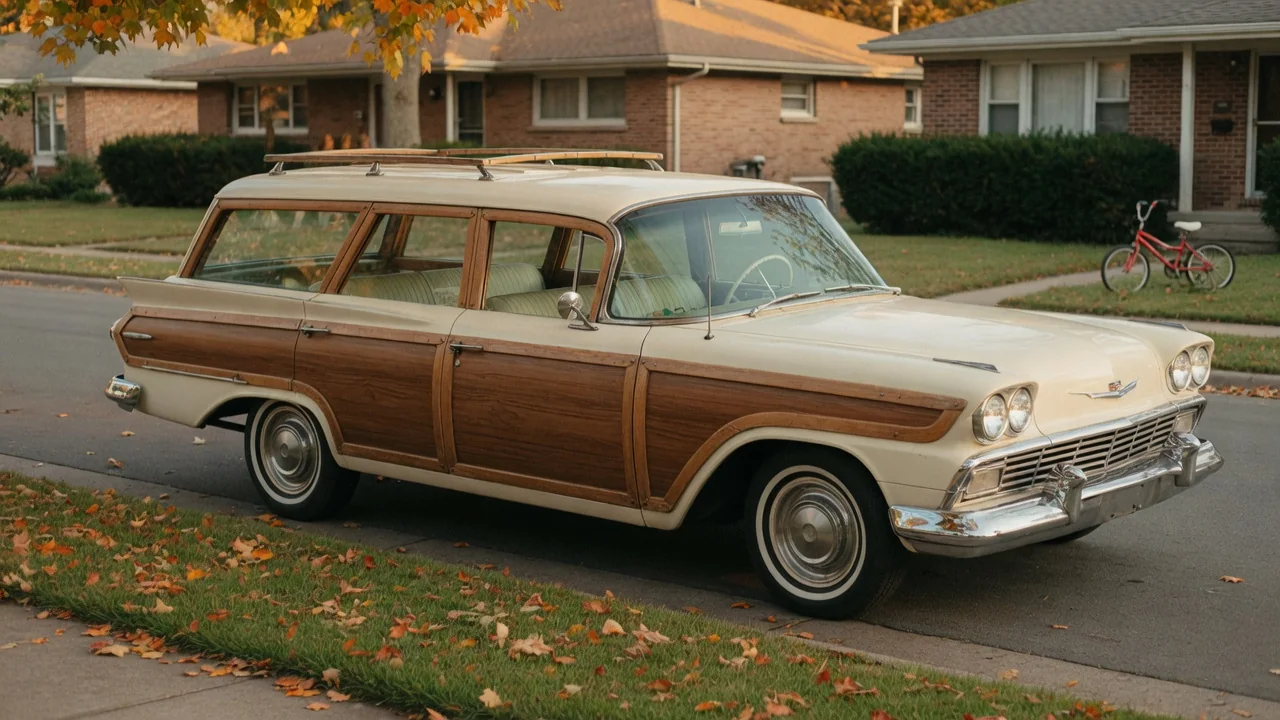
Why did station wagons use wood-look trim? The short answer is that the look came from the real thing. The earliest wagons were built largely of wood. When steel bodies took over, designers kept the woodgrain as decoration because buyers associated it with quality, leisure, and the wagon itself. Knowing that history also explains how this trim ages and what it takes to keep it presentable.
Material history
The station wagon grew out of utility vehicles that carried passengers and luggage between railroad stations, hotels, and country properties. That job gave the body style its name. These early bodies followed coachbuilding practice, which meant a hardwood frame filled with wooden panels and mounted on a car or light-truck chassis. Wood made sense at the time. Body builders already knew how to work it, it could be shaped and joined in small production runs, and it did not need the expensive stamping dies that large steel panels required.
Wood bodies had real drawbacks. Joints could loosen and squeak as the vehicle flexed. The finish needed regular revarnishing, and moisture that got past it could lead to swelling, splitting, and rot. Building the bodies also took a lot of skilled hand labor. As steel stamping and all-steel body construction matured, manufacturers moved wagons to steel. Steel was cheaper to produce in volume, more durable, quieter on the road, and far less demanding for owners.
The wooden image did not disappear with the wooden structure. Some transitional designs attached real wood framing or panels to a steel body as decoration rather than support. Later, the usual approach was a printed woodgrain film or decal applied directly to the steel side panels. It was often outlined by moldings that imitated the look of a wood frame. Depending on the manufacturer and era, those moldings might be wood, plastic, fiberglass, or metal finished to resemble wood.
Styling
Wood paneling had strong associations. Early wood-bodied wagons were often costly, hand-built vehicles linked with country estates, resorts, and outdoor recreation. Later woodgrain borrowed that sense of craftsmanship and relaxed affluence. Manufacturers commonly used simulated wood to mark a more upscale trim level or an optional package. That let buyers pay for a visible distinction without the manufacturer having to design new body panels. The trim also solved a visual problem. A wagon's long, flat sides could look plain or slab-sided, and a framed woodgrain panel broke up that surface and gave it structure.
Woodgrain also fit the domestic image of the family wagon. Wood and wood-look finishes were common in home furniture and interiors during the decades when wagons were popular, and woodgrain often appeared on car dashboards and door panels as well. On the outside, the same material helped a wagon stand apart from sedans that shared its front end and much of its sheet metal. As family buyers moved toward minivans and sport utility vehicles, wood-look exterior trim became less common. It did appear on some of those newer vehicle types before tastes shifted away from it.
Maintenance
Real wood trim needs the most attention. Moisture is the main threat, so the protective finish has to stay intact, especially at joints, end grain, and anywhere water can collect. Cracked or cloudy varnish lets water reach the wood, and damage can spread unseen beneath the surface. Repairing structural wood or replacing rotted sections is skilled work and is usually handled by specialists familiar with traditional wood body construction.
Vinyl woodgrain film fails differently. Prolonged sun exposure fades the printed grain and can make the film brittle. The film can shrink, crack, or lift at its edges as the adhesive weakens. Gentle washing with a mild automotive soap is generally safer than strong solvents, abrasive polishes, or a high-pressure spray aimed at the film edges. If you use a protectant, choose one intended for exterior vinyl and confirm it is compatible with the material before applying it widely. Waxes and compounds meant for paint can leave residue or dull the surface.
The surrounding moldings also need attention. Plastic and fiberglass frames can fade or crack, and the clips or fasteners that hold them can corrode where moisture is trapped. Replacing woodgrain film usually means removing these moldings, stripping the old film and adhesive, and preparing the steel underneath. Reproduction materials are available for some vehicles, but availability, pattern accuracy, and color matching vary.
Practical implications and limits
For anyone owning or shopping for a wagon with wood-look trim, the first practical step is to identify which type it has: a structural wood body, real wood applied over steel, or a printed film with decorative moldings. Each type affects repair cost, the skills needed, and how originality is judged on a collectible vehicle. Lifted or damaged film deserves a closer look than its appearance suggests. Gaps at the edges can hold water against the steel, so corrosion may be developing under trim that still looks acceptable from a distance. Checking along the film edges and behind removable moldings gives a better picture of the panel's real condition.
This explanation describes general patterns, not the construction of any particular vehicle. Materials, attachment methods, and molding designs varied by manufacturer, model year, and trim level, and an individual car may also have been repaired or refinished in a non-original way. For exact construction details, recommended products, and removal procedures, the factory service manual and marque-specific restoration references are the appropriate sources. A specialist inspection is advisable before buying a vehicle whose value depends on original wood or woodgrain trim.