Why Are Car Dashboards Made From Several Plastics?
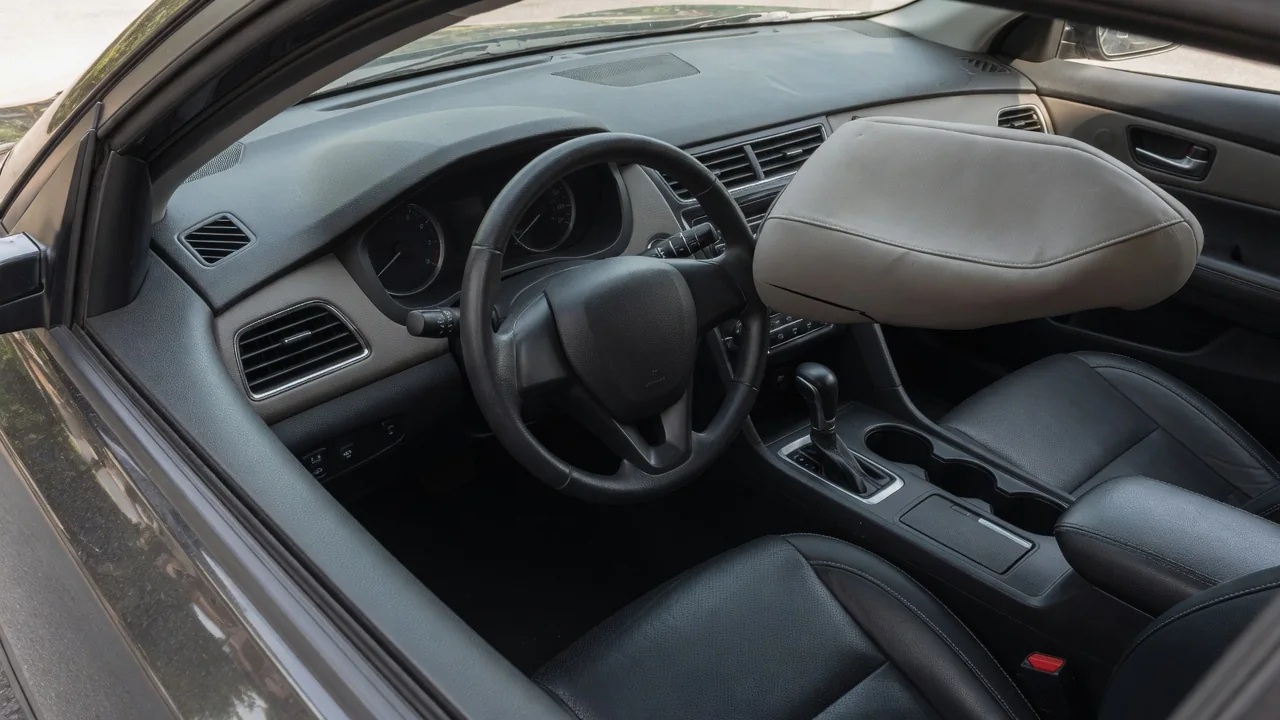
A car dashboard may look like one continuous molded piece, but it is usually an assembly of several different plastics, each selected for a particular job. The surface you touch, the hidden frame that carries gauges and vents, and the area baking under the windshield face very different demands. Looking at dashboard plastic material choices through those three jobs explains why car dashboards are made from several plastics instead of a single polymer.
Touch surfaces
The parts of a dashboard that people see and touch most often are designed first for feel and appearance. On many vehicles the upper panel uses a layered construction: a thin outer skin, a cushioning foam layer, and a rigid backing underneath. The skin is commonly a thermoplastic such as TPO, PVC, or a thermoplastic polyurethane, formed by processes like slush molding or vacuum forming so it can carry a fine grain texture. The foam, often polyurethane, gives the slight give that reads as soft-touch quality. No single rigid plastic can deliver that combination of surface texture, cushioning, and shape on its own.
Not every visible area gets that treatment. Lower dash panels, knee-level trim, and areas near the footwells are frequently molded from harder plastics such as polypropylene blends, which resist scuffing from shoes and bags and cost less to produce. Trim rings, bezels, and switch surrounds may use ABS or PC/ABS blends because those materials accept paint, plating, or a high-quality molded finish. Knobs and grips sometimes receive an overmolded layer of a softer thermoplastic elastomer for better grip. The result is a surface that changes material wherever the expected contact changes.
Appearance also drives material choice. Upper dash surfaces are usually given a low-gloss finish to limit reflections in the windshield, while decorative pieces can be glossier. Matching color and grain across parts made from different plastics is a real manufacturing challenge, which is why slight differences in sheen between adjacent pieces are common even in a well-built interior.
Structural support
Behind the visible skin sits the part that actually holds the dashboard together, often called the substrate, carrier, or retainer. It has to stay stiff and dimensionally stable while supporting the instrument cluster, center screen, vents, glovebox, and the passenger airbag module. For that reason it is commonly made from reinforced plastics, such as polypropylene filled with talc or glass fiber, or from blends like PC/ABS. Fillers and fibers raise stiffness and reduce shrinkage and warping, but they also make the surface less attractive, which is one reason the carrier is usually hidden under a separate skin or trim.
The carrier itself is typically attached to a metal cross-car beam that runs between the front pillars and supports the steering column. The plastic structure does not carry crash loads alone; it locates components, resists vibration, and keeps panel gaps consistent. Around it are many smaller parts chosen for narrower tasks. Clips and fasteners are often made from acetal (POM) or nylon (PA) because those plastics combine toughness with good spring behavior. Air ducts for the heating and ventilation system are frequently blow-molded or injection-molded from polyolefins, where low weight and easy shaping matter more than appearance.
The airbag area is a special case. The section of dashboard covering the passenger airbag must stay intact in normal use, then open along a designed tear line when the airbag deploys. Materials in that zone are typically chosen to stay tough rather than brittle across the full range of cabin temperatures, so they tear cleanly instead of shattering. That requirement alone can justify a different plastic, or a different grade, from the surrounding panel.
Heat exposure
The upper dashboard sits directly under the windshield, which makes it one of the most heat- and sunlight-exposed parts of the cabin. In a parked car on a sunny day, a dark dash top can become far hotter than the surrounding air. Plastics used there need heat-stabilized formulations that resist softening and warping, plus UV stabilizers and pigments that slow fading, chalking, and surface cracking. Grades that work well for a lower door panel or a hidden bracket may not hold their shape or color in that location.
Heat also affects what the plastic releases. Some formulations, particularly those containing plasticizers, can emit volatile compounds when hot, which may condense as a hazy film on the inside of the windshield, a problem known as fogging. Manufacturers therefore favor low-emission grades for upper surfaces. Other heat sources matter too: defroster outlets, HVAC ducts, and electronics behind screens and clusters create local hot spots, so parts nearby may use different materials from parts in cooler zones.
Temperature swings create a further reason to mix materials. Different plastics, and the metal beam behind them, expand and contract at different rates as the cabin heats and cools. Designers manage this with gaps, flexible joints, slotted mounting points, and clips that allow some movement. Choosing a softer or more flexible material at junctions can reduce stress cracking, squeaks, and rattles that would appear if every part were made from the same stiff plastic.
Practical implications and limits
For owners, the multi-material design means different parts of the dashboard tend to age in different ways. Upper surfaces exposed to sun are more likely to fade, become shiny or sticky, or crack over time, while lower hard plastics are more prone to scuffs and scratches. A windshield sunshade and parking out of direct sun reduce the heat and UV load on the most exposed areas. Cleaning products deserve care as well: strong solvents or some protectant formulas can affect certain skins or coatings, so it is sensible to follow the cleaning advice in the owner's manual and try any new product on a hidden spot first.
Repairs are also material-dependent. Adhesives, fillers, plastic welding methods, and paints that bond well to ABS may not bond to polypropylene without special primers or surface preparation. Many molded plastic parts carry a material code on the back, such as >PP< or >PC/ABS<, which helps identify the right repair approach or a compatible replacement. Any work near the passenger airbag cover or other airbag zones should follow the manufacturer's service information, because covering, cutting, or refinishing that area can change how it opens during deployment.
There are limits to what a general explanation can tell you. The exact materials in a given dashboard vary by manufacturer, model, trim level, market, and production period, and some designs use far fewer or far more distinct plastics than others. Material choices also involve trade-offs beyond performance, including tooling cost, weight, and recyclability, since separating bonded layers at end of life is harder than recycling a single material. For specific part numbers or construction details, the vehicle's service manual or official parts catalog is the reliable reference.