White Oil Burner Body Shop: What the Term Likely Means and What to Check
The Short Answer
Searches for a white oil burner for a body shop usually concern oil-fired heating equipment used to warm a collision repair or paint facility. The phrase is ambiguous, though, and the right answer depends on what "white oil" refers to in your situation. No product specifications, test results or regulatory texts were supplied for this guide, so it explains the possible meanings and the decisions involved rather than recommending a specific unit.
Why the Term Needs Clarifying
"White oil" has more than one common use, and each leads to a different answer:
Refined mineral oil: In industry, white oil usually means a highly refined, colorless mineral oil. It is not typically sold as a heating fuel, so a burner described this way may be a mislabeled or regional product description. Clean or light fuel oil: Some people use the phrase informally for light distillate heating oil, as opposed to dark used oil. In this case the question is really about a conventional oil-fired shop heater. Waste or used oil: Body and repair shops often look into heaters that burn used motor oil collected on site. If that is what you mean, the main issues are fuel quality, burner maintenance and local rules on burning used oil. A business name: The phrase may refer to a specific shop or supplier. No details about any such business were supplied, so this guide cannot confirm or describe one.
Confirming which meaning applies is the most important step, because fuel type determines burner design, maintenance needs and regulatory requirements.
Body-Shop Considerations That Apply in Any Case
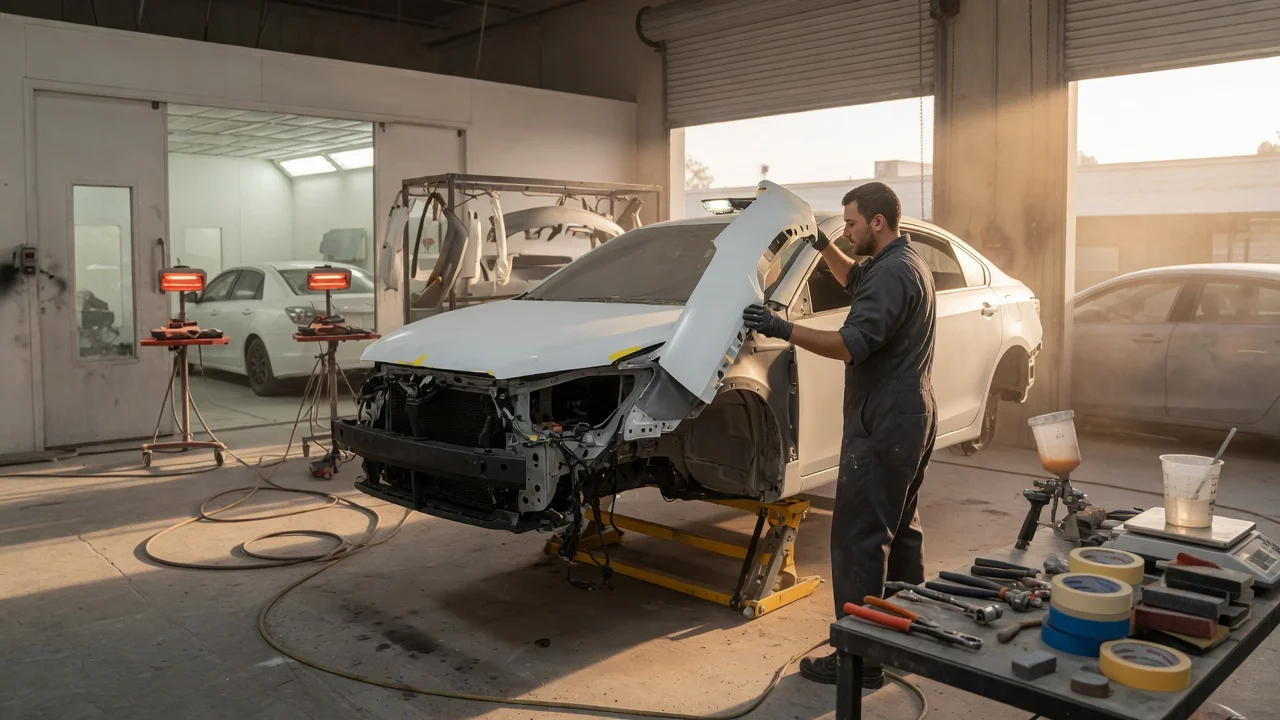
Whatever fuel is involved, a body shop is a more demanding setting for an open-flame heater than a general garage. Paint, solvents, primers and sanding dust can create flammable vapors and airborne particles. Where the heater sits, how combustion air is supplied and how exhaust is vented all matter for safety.
Spray booths are a separate case. Booth heating is usually handled by equipment designed for the booth's airflow and fire-protection requirements, not by a general-purpose space heater. Exact requirements vary by jurisdiction and equipment, and none were supplied here.
Questions to Settle Before Choosing a Unit
Which fuel will the burner actually use, and does the manufacturer approve that fuel? Is the heater meant for general shop space, or would it serve a paint booth or prep area? What do local fire codes require for clearances, venting and separation from spraying areas? If burning used oil, do local environmental rules limit which oil you may burn, where it can come from, or how large the heater can be? What filtering, nozzle cleaning and ash or sludge removal does the burner need, and who will do it? Does your property insurer have conditions on oil-fired or waste-oil heaters?
Information Gaps
This guide does not include heat output ratings, fuel consumption figures, efficiency data, prices, model comparisons or the wording of specific regulations, because none were provided. Treat any such figures you find as model- and market-specific, and verify them against manufacturer documentation and your local fire and environmental authorities before buying or installing equipment.
Next Step
Pin down what fuel you mean by "white oil," then confirm with your local fire authority and insurer what is allowed in your shop layout. With those answers, you can compare specific burners on output, approved fuels and maintenance demands, rather than on a loosely defined product category.