Which Ford Cars Have a Manual Transmission? Mustang, Focus, and More
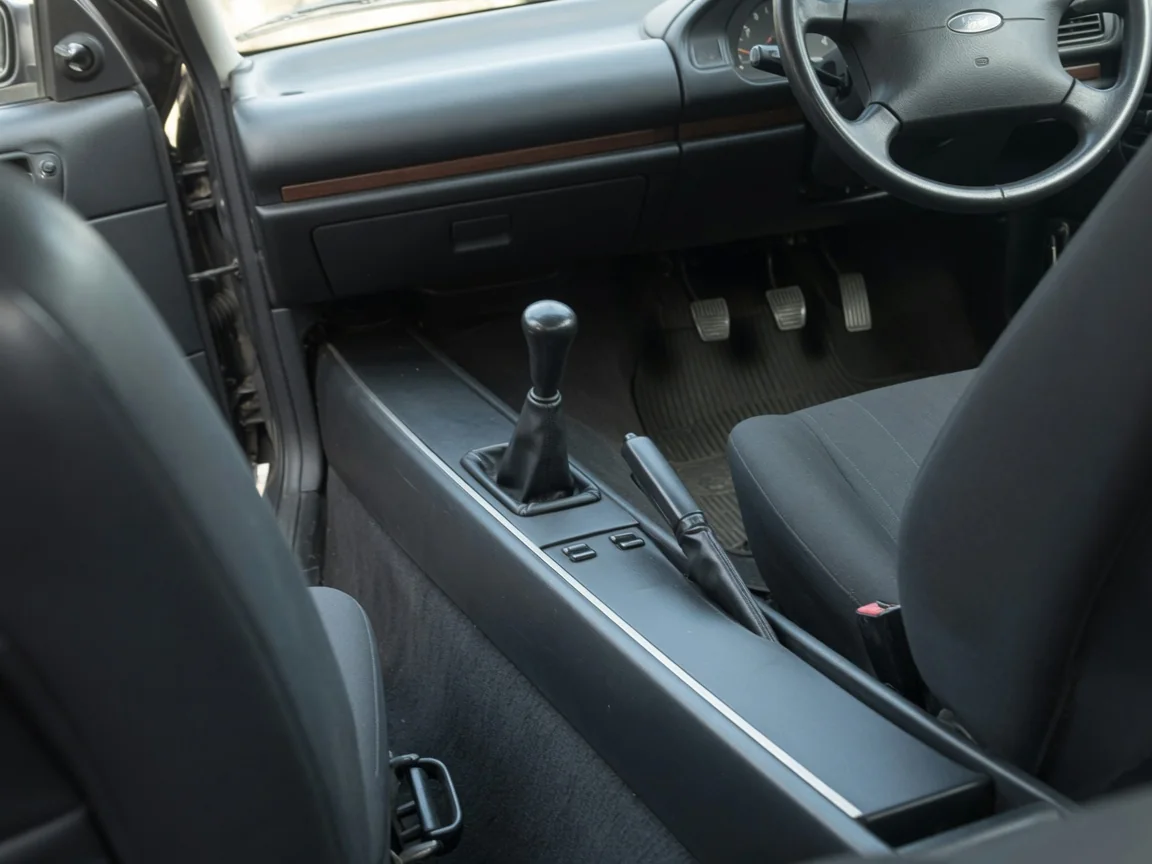
Ford's stick shift lineup is much smaller than it once was, but the manual gearbox still matters to Mustang buyers and used-car shoppers. This guide covers which US-market Ford cars came with a clutch pedal and how the Ford Mustang manual transmission has changed across model years and trims. It also explains where a manual Ford Focus fits and what to check before you buy or drive one.
Which US-Market Ford Cars Offered a Manual?
Today the Mustang is the only new Ford passenger car in the US that you can order with a manual transmission. The Focus and Fiesta both offered one, but they left the American lineup after the 2018 and 2019 model years. Older nameplates fill out the used market. The Escort and Probe offered stick shifts, and so did the Contour, whose 1998–2000 SVT version was sold only as a manual. The Fusion offered a manual on some four-cylinder versions. Trucks, SUVs, and overseas-only models aren't covered here.
A nameplate alone never proves that a car left the factory with a manual. Ford usually paired the stick shift with specific engines and trim levels, and those pairings changed from one model year to the next. For example, the Focus ST was sold only with a manual, while a regular Focus from the same years could have either transmission. Treat the year, engine, trim, and US-market specification as a set. Confirm them against the window sticker, VIN-based build data, or a dealer's factory equipment lookup.
Mustang Manual Availability by Year, Engine, and Trim
The Mustang has offered a manual gearbox in nearly every generation, but not in every configuration. From 2015 through 2023, buyers could order a six-speed manual with the turbocharged EcoBoost four-cylinder or the V8 GT. Among the special trims, the Bullitt was manual-only, and the Mach 1 offered the stick alongside an automatic. Earlier V6 and V8 Mustangs were also widely available with manuals. The Shelby GT350 came only with a manual, while the 2020–2022 Shelby GT500 used a dual-clutch automatic exclusively.
The current generation has narrowed the choice. For the 2024 and 2025 model years, the six-speed manual is offered on the Mustang GT and Dark Horse, and the EcoBoost is automatic-only. That means an entry-level manual Mustang now requires shopping used. When a listing is vague, ask for the original window sticker or a VIN-based build report, then check the cabin. A factory manual car has a clutch pedal and a shifter with a printed shift pattern. Paperwork is still the best confirmation, because conversions do happen.
Mustang GT Manuals and the Separate Ford GT Supercar
Mustang GT buyers have long had a stick shift available, and that is still true in the latest lineup. Throughout the 2015–2023 generation, the GT paired its 5.0-liter V8 with either a six-speed manual or an automatic. The 2024-and-later GT continues to offer the manual alongside a 10-speed automatic. Some option packages and special editions had their own transmission rules, so rely on the specific car's build sheet rather than general brochures for its model year.
Mustang GT is a trim level of the Mustang, while Ford GT is an entirely separate mid-engine supercar. The 2005–2006 Ford GT used a six-speed manual with a conventional clutch pedal, which makes it the collectible choice for stick-shift enthusiasts. The later Ford GT uses a seven-speed dual-clutch transmission shifted with paddles, and the driver has no clutch pedal. A GT badge, a shared engine name, or an advertised gear count tells you nothing about which gearbox is installed or whether parts interchange.
Finding a Manual Ford Focus in the US
A Ford Focus with a manual transmission is now strictly a used-car purchase, because US sales ended after the 2018 model year. Earlier Focus generations commonly offered a five-speed manual on mainstream trims, and the 2002–2004 SVT used a six-speed. From 2012 through 2018, a manual was available on selected ordinary trims, while the ST and the 2016–2018 RS came only with six-speed manuals. Overseas Focus specifications, including diesel versions, don't show what US dealers actually sold.
Confirming the gearbox matters especially with this car. Many 2012–2018 Focus automatics used the PowerShift dual-clutch unit, which includes a manual-selection mode on some trims, and listings sometimes describe it loosely. A true Focus manual transmission has a clutch pedal and a shifter you move through a gated pattern. Choosing gears with a button or a lever on an automatic doesn't make it a stick shift. Keep your reliability research tied to the transmission actually fitted, because complaints about the automatic don't apply to the conventional manual.
Confirm the Gearbox and Condition Before Buying
Before buying any manual Ford, gather the equipment records and service invoices, then have a qualified technician inspect the car. The service history can reveal a replaced clutch, a swapped gearbox, or an automatic-to-manual conversion, and each of these affects value and future parts sourcing. If you're looking for a manual transmission for a Mustang you already own, a specialist will need the VIN, model year, engine, and the ID details from the current gearbox before judging fitment. Similar-looking units can differ in ways that matter for installation.
On an ordinary, legal test drive, check whether each gear engages cleanly without grinding and whether the clutch engages smoothly at a consistent pedal height. Also listen for whining, clunking, or rattles that change when you press the clutch pedal. With the car parked, look for fresh drips only where you can see safely without going under the car. These checks can't reveal internal damage or predict how much clutch life remains. If symptoms persist, get a professional evaluation instead of using aggressive launches or hard shifts to reproduce them.
Everyday Ownership of a Manual Ford
Smooth driving in a manual Ford comes down to coordinating the clutch and throttle so the clutch engages gradually. After that, choose a gear that keeps the engine in a comfortable range, without lugging it or revving it needlessly. A driver new to three pedals should practice with an experienced companion in an empty, legal space before driving in traffic. A few habits also reduce wear: keep your left foot off the clutch pedal while cruising, and hold the car on a slope with the brakes or a hill-start aid, not the clutch.
The owner's manual for your exact vehicle explains how to select reverse and which parking procedure Ford recommends. It also tells you whether features such as hill-start assist or automatic rev-matching are fitted and how they work. Follow the maintenance guidance for your specific model and gearbox rather than generic intervals, because fluid types and service needs vary. New grinding, trouble engaging gears, a soft or sticking pedal, or any loss of drive needs prompt attention from a qualified technician before a small problem becomes a larger repair.