Which EV Cars Have the Longest Range? EPA Range Rankings
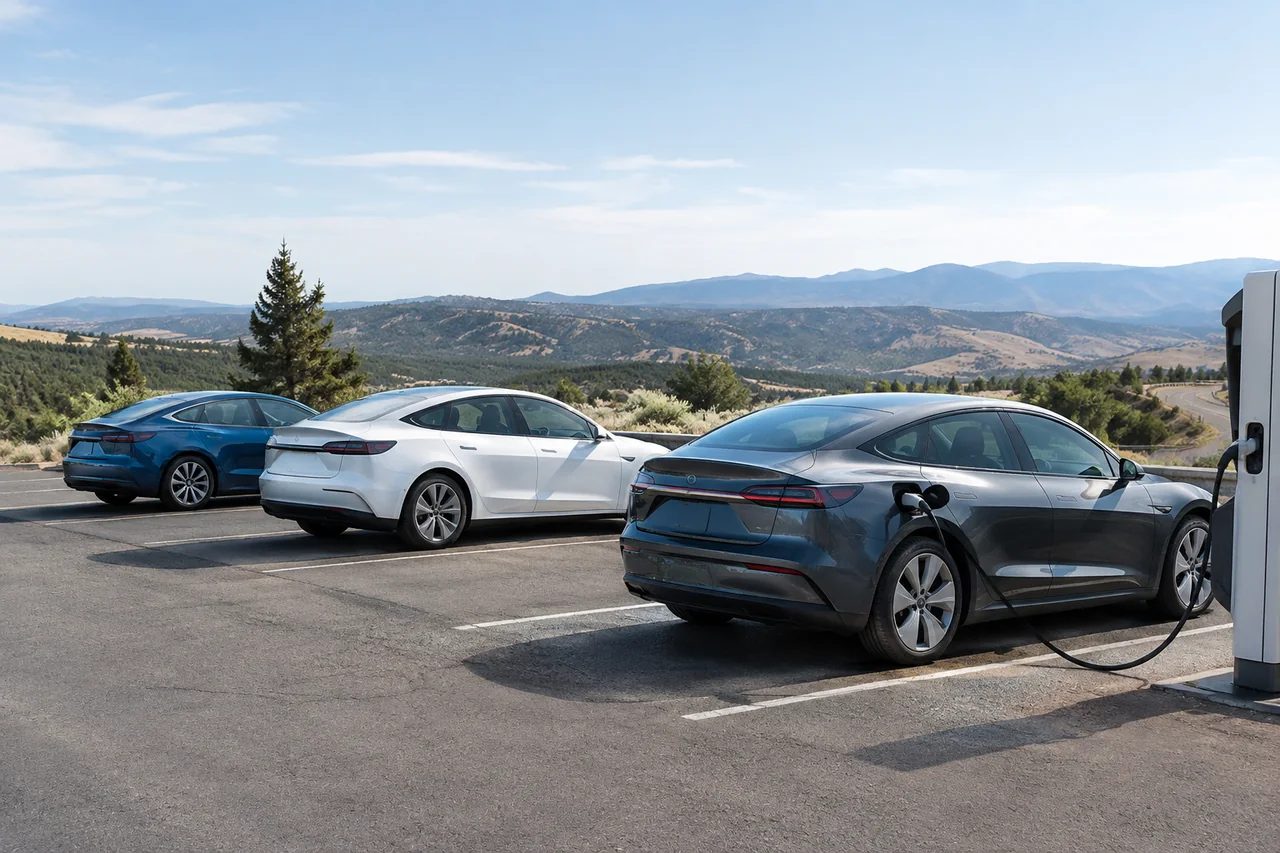
To find the electric car that goes farthest on a charge, start with its EPA rating. That number only means something when it's tied to a specific model year, trim, drivetrain and wheel size. This guide explains how the leaders are ranked and why the order changes from one model year to the next. It also shows how to turn a rated figure into realistic plans for daily driving and road trips.
Electric Cars Ranked by Verified EPA Range
Among US-market passenger cars, the dual-motor Lucid Air Grand Touring on its smallest available wheels has set the benchmark for rated range in recent model years. A reliable ranking below it lists each rival in descending order of EPA combined range. Each entry should name the model year, trim, drivetrain and wheel package that earned the figure. The same car can lose a meaningful amount of range with larger wheels, a different battery or an extra motor.
The ranking should include only one qualifying configuration per model, normally the longest-rated version a buyer can actually order. That keeps one nameplate with several near-identical trims from crowding out its competitors. Cars with the same rating share a position rather than being separated by guesswork. The ranking should also show the date its ratings were checked. Model years often go on sale months before the calendar year they carry, and dealer availability can lag behind both. SUVs and pickups are outside this comparison.
The Longest-Range Electric Cars for Model Year 2026
A 2026 ranking can include only configurations with a finalized EPA rating for that model year. A returning model doesn't automatically keep its 2025 rating, because manufacturers sometimes change battery packs, software, wheel choices or trim lineups between years. Before accepting any 2026 leader, confirm that the rating for that specific trim is labeled 2026. Also check that the top-ranked configuration can still be ordered and hasn't been dropped from the lineup.
Configurations that have been announced but aren't confirmed for US sale belong in a separate category, not in the ranking, even when the manufacturer promotes a strong estimate. Changes in the 2026 order usually have one of three documented causes. A new model arrives with a certified rating, an existing model gets a revised rating, or a configuration such as a wheel package is discontinued. Don't assume every returning model gains range each year. Some hold steady and others slip.
The 2025 EPA Range Leaders
The 2025 ranking should use only ratings issued for 2025 vehicles, not figures borrowed from an updated 2026 successor. For the long-standing leader, that means the rating for the 2025 Grand Touring trim on its standard wheels. For each rival, it means the exact trim and drivetrain that earned its number. If a manufacturer offered several battery sizes or motor layouts in 2025, the ranking should say which one it lists so shoppers can compare like with like.
Unsold new 2025 cars and used listings often include configurations that can't match the headline figure. Larger optional wheels, dual-motor versions and smaller battery packs each carry their own lower rating. The original EPA figure also doesn't tell you the current battery health of a particular used car. Charging history, climate and mileage all affect how much capacity remains. A battery check before purchase, or a health report supported by the manufacturer, tells you more than the window-sticker number.
The 2024 Long-Range Electric Cars
Treat the 2024 leaders as a historical snapshot. Each entry should keep the trim names, wheel sizes and battery options offered that year, because later updates may have renamed trims or changed equipment. A 2024 car doesn't inherit a better rating from its successor. If a used listing describes a 2024 vehicle using current-year specifications, question the seller about it before paying a deposit.
To match a listing to its original rating, decode the VIN or ask for the build sheet. Confirm the trim, drivetrain, battery and wheel size, then look up that exact combination in the federal fuel economy database. Even a correct match only describes the car when it was new. Years of battery aging, the climate where the car has been kept and how the next owner drives will all affect the range it delivers today, and that range is often below the original label.
What Is Confirmed About 2027 Electric-Car Range
Firm information about 2027 electric-car range is still limited, so check what kind of number you're looking at. An EPA rating is issued after certification testing. A manufacturer estimate, development target or launch announcement is not a rating. Until enough 2027 configurations have official ratings, no one can publish a definitive ranking for that model year. Any list that claims one is mixing projections with verified figures.
Vehicles that have only been announced should be labeled that way. If the manufacturer hasn't confirmed US sales, mark availability as unresolved. A planned launch date isn't a completed release. Early estimates can change once the final battery chemistry, gearing, software and wheel options are set. An estimate can be replaced with a rating, and the car can join the current leaders in the ranking, only after certification is complete and the exact trim is defined.
What an EPA Range Figure Actually Tells You
EPA combined range is a standardized estimate of how far a fully charged car can travel over a mix of city and highway test cycles. The lab result is adjusted to better reflect real-world driving. It gives buyers a consistent way to compare cars, not a guarantee. European WLTP figures, manufacturer claims and independent road tests use different methods. Don't mix any of them into a ranking with EPA numbers, because the differences between methods can be larger than the differences between cars.
Range drops in cold weather, when both the battery and the cabin need heating. It also drops at sustained highway speeds, where aerodynamic drag rises sharply. Climbing hills, running the air conditioning hard and carrying heavy passengers or cargo cut range further. Range is also different from efficiency. A car with a very large battery can post a long range while using more energy per mile than a smaller, more aerodynamic rival. That's why battery capacity alone can't decide the ranking.
Using a Long-Range Rating to Plan Everyday Driving
Start by comparing your longest regular day, including errands and detours, with a conservative share of the rated range rather than the full number. Then consider whether you can charge at home or at work. A driver who charges overnight rarely uses more than part of a long-range car's battery. On road trips, each leg usually runs from a partial fast charge down to a comfortable reserve on arrival. Charging tends to slow as the battery fills, so topping up to full adds time.
For trip times, the number of chargers along your routes can matter as much as rated range. So can each car's charging behavior, including how quickly it accepts power and how long it holds high charging rates. Weigh these factors in your own planning rather than folding them into a single overall score. Before relying on a headline figure, confirm the exact configuration of the car you're considering. Use a route planner that accounts for temperature, speed and elevation.