Which Cars Have Regenerative Braking? Do All EVs Have It?
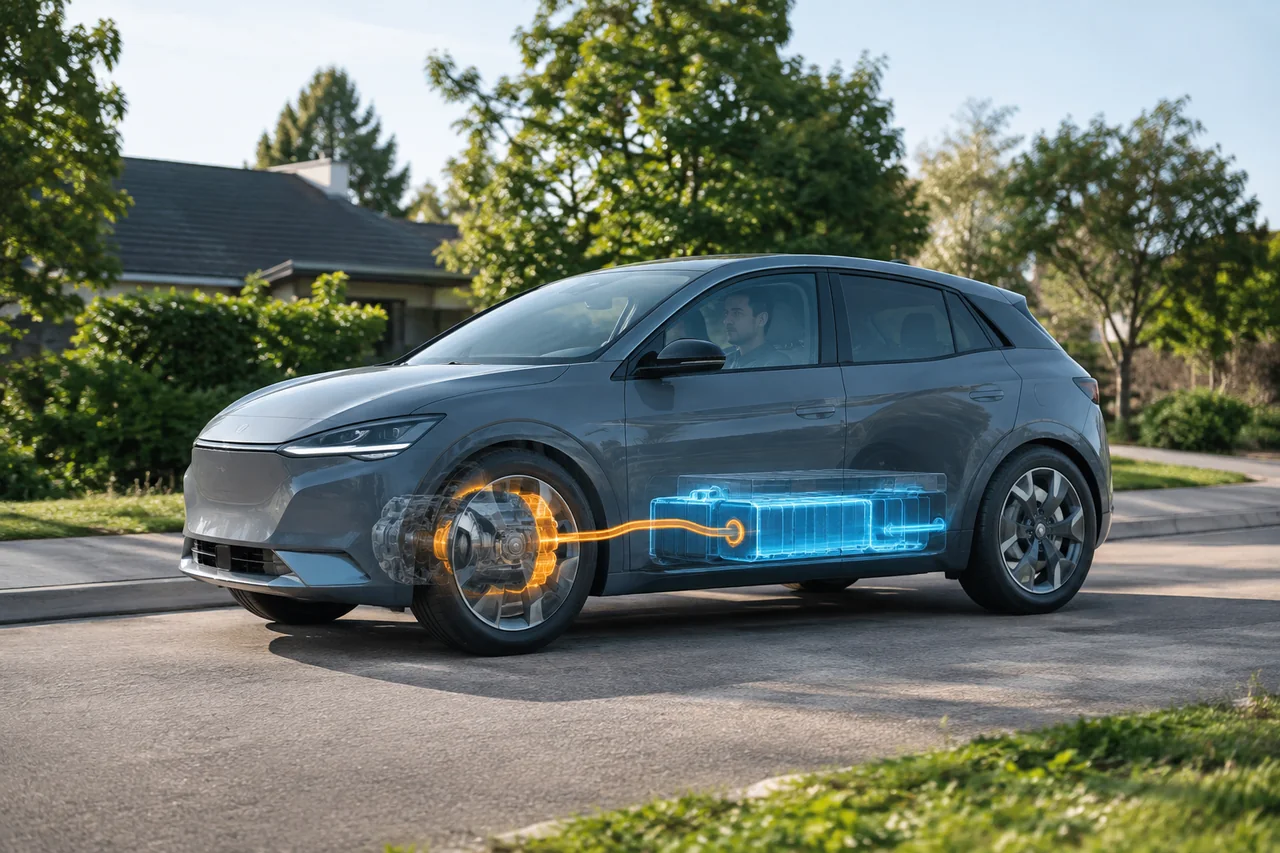
Regenerative braking is a common feature in modern electrified vehicles, capturing energy normally lost as heat during deceleration. Many shoppers ask which cars have regenerative braking and whether every EV includes it by default. The answer is not universal, but the technology is standard in most current production battery-electric and hybrid models. Understanding how energy recovery behaves in different vehicles helps drivers recognize normal operation and limits of the system.
Do All Electric Cars Use Regenerative Braking?
Regenerative braking is standard practice in current production electric vehicles. Nearly every modern EV uses the drive motor as a generator during deceleration, converting kinetic energy into electricity that returns to the traction battery. This process is integrated into the vehicle's normal braking behavior. While it is rare to find a new electric car without some form of energy recovery, older conversions or limited-production models may not include the feature, so a blanket statement covering every EV ever made would be inaccurate.
Having regenerative braking does not mean it is active at every moment. When the battery is nearly full or very cold, the energy-return pathway may be restricted to protect the pack. The system may reduce or disable regenerative deceleration, relying more on friction brakes. Regenerative braking also does not recover all the energy used to accelerate; losses occur in the motor, power electronics, and battery chemistry. The system improves efficiency but cannot recover 100 percent of the energy put into motion.
Car Types and Familiar Models With Regenerative Braking
Battery electric vehicles, plug-in hybrids, and full hybrids are the categories most commonly equipped with regenerative braking. The Nissan Leaf, Tesla Model 3, and Ford Mustang Mach-E are established examples among EVs, while the Toyota Prius demonstrates the technology in a full hybrid. These vehicles do not have identical controls or recuperation behavior; some emphasize one-pedal driving, others blend regeneration into the brake pedal. Shopping by category can narrow the search, but the actual driving feel varies by manufacturer and model year.
Some mild hybrids also recover braking energy, storing it in a small battery to assist the engine during acceleration or stop-start operation. The presence of energy recovery alone does not establish electric-only driving capability; mild hybrids cannot drive on electricity alone. To confirm a particular vehicle's equipment, consult the model-year owner's manual. Look for sections on braking, energy recovery, regenerative braking, and driving modes. The manual describes controls, displays, and any limitations for that specific model.
How Regenerative Braking Works in Hybrid Cars
In hybrid cars, regenerative braking stores recovered energy in the traction battery for later use by the electric drive system. When the driver releases the accelerator or presses the brake pedal, the electric motor operates as a generator and creates resistance, slowing the vehicle while charging the battery. That stored energy can then power the motor during low-speed driving or assist the gasoline engine, reducing fuel consumption. This process happens automatically and does not require the driver to select a special mode in most hybrids.
Normal brake-pedal use in a hybrid can request both regenerative and friction braking without needing a dedicated one-pedal mode. The brake control unit decides how much deceleration comes from the generator and how much from the hydraulic friction brakes. When shopping for a hybrid, practical checks include predictable pedal response, understandable controls, and documented energy-recovery behavior. Avoid ranking hybrids based solely on regenerative braking; the feature alone does not establish fuel economy, comfort, or braking performance.
Does the Ford Mustang Mach-E Have Regenerative Braking?
The Ford Mustang Mach-E does have regenerative braking. The system operates in two ways: as part of the vehicle's normal braking system and through one-pedal driving. In one-pedal mode, releasing the accelerator requests strong regenerative deceleration, often allowing the driver to slow and stop without touching the brake pedal. This mode is selectable and can be turned off. Regardless of the one-pedal setting, regenerative braking remains active whenever the vehicle decelerates under normal conditions and the battery can accept charge.
Switching off one-pedal driving does not mean regenerative braking is absent. The Mach-E still blends energy recovery into the brake pedal in its default driving modes. The amount of deceleration from motor resistance may change based on mode, battery state, and speed. Drivers should review the applicable model-year owner's manual for controls, display indicators, and stopping behavior. Always remain ready to use the brake pedal; regenerative braking may be limited when the battery is full or cold, and the friction brakes must provide the necessary stopping force.
What Determines Regenerative Braking Feel and Energy Recovery?
Searches for the 'best' regenerative braking often reflect a desire for strong one-pedal driving, but that is only one characteristic. Useful attributes include smooth deceleration, predictable operation, clear controls, and effective brake blending between regenerative and friction braking. A system that slows aggressively may feel sporty but can be less comfortable for passengers. No universal winner exists because driver preference and driving environment heavily influence what feels best. Evaluation should focus on how the system behaves in daily traffic and highway conditions.
Accelerator-release deceleration, recovered energy, and emergency stopping capability are separate attributes. Strong regenerative braking when lifting off the pedal does not necessarily mean the vehicle recovers more energy overall. Energy recovery depends on the trip profile, including speed, traffic, and braking frequency. Motor and battery limits, software calibration, vehicle speed, and selected settings all influence the feel and amount of energy returned. Strong one-pedal deceleration alone does not establish overall efficiency.
When Regenerative Braking May Be Limited
A nearly full traction battery can restrict regenerative braking because there is little spare capacity to store returned energy. The vehicle reduces or disables regeneration and relies on friction brakes to slow down. Battery temperature outside its preferred operating range also limits energy recovery. Cold batteries accept charge more slowly, so the system may reduce regenerative deceleration until the pack warms up. These limitations are normal and designed to protect battery life and ensure predictable braking.
Traction conditions and very low speed can affect regenerative braking. On slippery surfaces, the system may reduce motor braking to help maintain stability. At walking speeds, the motor may not generate enough resistance to stop the vehicle completely, so friction brakes take over. To understand a specific vehicle, check energy displays and dashboard messages while parked and review the manual before driving. Unexpected changes in regenerative braking accompanied by warnings or impaired stopping need professional assessment; do not attempt road experiments or repairs.