Where to Get a Tire Rotation and What to Ask Before Booking
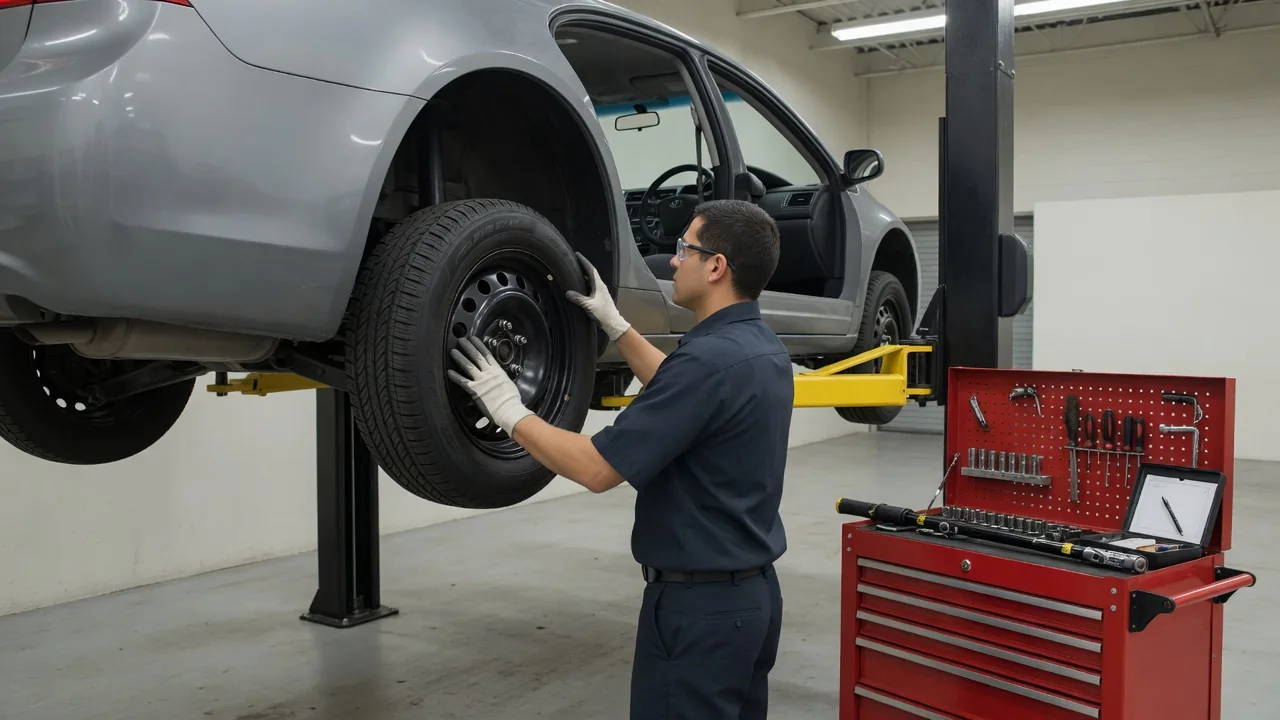
Choosing where to get a tire rotation starts with matching the shop to your vehicle, tires, and documentation needs rather than picking the first nearby bay. Dealerships, independent repair shops, dedicated tire rotation shops, and some quick lube locations can all move tires when they have the right equipment and instructions. Before booking, confirm what the visit includes, how wheels will be tightened, and whether the provider can follow your rotation pattern.
Find a Provider That Can Follow Your Vehicle’s Rotation Requirements
A useful first step is listing the kinds of providers that may offer rotation rather than searching for a single brand. New-vehicle dealerships, independent repair shops, and a dedicated tire rotation shop can typically lift the vehicle, move the wheels, and retighten the lugs. Some quick lube tire rotation bays participate as well, but participation is location-specific. Ask whether the facility actually rotates tires on your vehicle type before you drive in. Supplying year, make, and model at booking helps the shop confirm lift clearance, wheel-lock tools, and whether your setup is routine or restricted.
When you call, mention any nonstandard wheels, aftermarket rims, or unusual tire sizes so the shop can decide whether a standard four-tire swap still applies. Directional tires must keep their rolling direction, which often limits movement to front-to-rear on the same side. Staggered tire sizes, with different diameters or widths front and rear, can make a routine cross-rotation unsuitable. Vehicle instructions may also restrict patterns or specify a particular sequence. If the shop cannot follow those limits, look elsewhere rather than accepting a generic rotation.
Confirm What a Tire Shop’s Rotation Service Includes
At a tire rotation shop, the appointment should follow the vehicle maker's rotation pattern and the tire maker's position rules, not a one-size wall chart. Before you book, ask what inspection is included and whether the shop will note the work on a written record you can keep. A complete visit typically includes a tire wear inspection of each tire, not only swapping positions. Confirm that technicians will check tire pressure and reset it to the vehicle placard after the wheels are remounted.
Ask whether the service includes recording tread depth at several points on each tire and noting cuts, punctures, or irregular wear such as feathering or a high outer shoulder. Balancing, alignment checks, puncture repairs, and tire pressure monitoring system sensor work are separate jobs unless the estimate expressly includes them. If you bought tires with a rotation benefit, review eligibility, remaining visits, and how the shop must log the service. Missing service records can complicate a later tire warranty claim even when the tread still looks usable.
Check Tire Rotation Availability at a Quick Lube
Quick lube tire rotation is not automatic at every oil-change bay. Availability depends on lifts or jacks, torque tools, staffing, and whether the location can service your wheel locks or low-profile wheels. Call the specific site rather than assuming a chain-wide policy. Ask whether rotation requires an appointment and whether it can be booked on its own, without an oil change. Independent scheduling matters if your oil interval and tire interval do not line up, or if you already had fluid service elsewhere.
Confirm that technicians will use the required rotation pattern and the vehicle's wheel lug torque rather than a generic air-gun setting. If a tire pressure monitoring system is fitted, ask how inflation and any reset or relearn are handled after the wheels go back on. Also ask how the location handles findings that need puncture repair, an alignment evaluation, or further diagnosis. A bay that cannot repair a damaged tire should still document the issue and decline to rotate a tire that should be taken out of service.
Use a Dealer Visit to Address Documentation and Vehicle Questions
A dealer appointment is worth considering when you need vehicle-specific rotation restrictions explained, not merely a four-tire swap. Service advisors can often confirm whether the maintenance plan covers rotation, what documentation the plan requires, and whether a particular pattern applies to your drivetrain or spare-tire setup. If you already have a scheduled dealer visit for inspection or campaign work, adding rotation can save a second trip, provided the shop has time and the correct tires are on the vehicle. Bring any prior service records so the advisor can see the last rotation date and mileage.
A dealer receipt can document maintenance for your files, but it does not automatically satisfy every warranty condition. Read the actual vehicle warranty or prepaid maintenance terms before assuming dealer-only service is required for rotation. Tire warranty documentation is a separate matter, usually tied to the tire maker or the selling shop rather than the vehicle manufacturer. Keep one file for the car's scheduled maintenance and another showing rotation dates if a treadwear tire warranty later needs proof of care.
Ask About Wheel Torque and Inspection Findings
Before the wheels come off, ask whether final tightening follows the vehicle's specified wheel lug torque and sequence using a calibrated torque wrench or equivalent equipment, not only an impact gun. Uneven or excessive clamp load can damage studs, warp brake rotors, or leave a wheel under-clamped. Also ask whether technicians inspect accessible wheel fasteners, studs, and mounting surfaces and will stop if they find rounded nuts, cracked rims, or corrosion that prevents a clean seat. Reporting that damage before proceeding is more useful than finishing a rotation on hardware that should be repaired first.
Visible wear patterns from a tire wear inspection can justify further testing, but they do not by themselves prove an alignment, suspension, or balance fault. Cupping or a worn inner shoulder are clues that deserve measurement, not automatic parts replacement. Bulges, exposed cords, or substantial damage call for a tire safety assessment rather than a routine rotation. Moving a compromised tire to another corner does not make it roadworthy and can place a weaker tire where the vehicle needs more grip.
Review the Estimate, Service Record, and Pickup Notes
Ask for the total estimated charge before work starts, including shop supplies if they apply, and for the approval rule if technicians find extra work. You should know who will call, and that rotation will not expand into balancing without consent. Request a receipt that lists the date, mileage, the rotation performed, and any inspection findings or recommended follow-up. If a rotation benefit or tire warranty depends on logged visits, make sure the description is specific enough that another shop can understand what was done.
Confirm whether the vehicle or wheel manufacturer specifies a follow-up torque check after the first drive cycle or a set mileage, and ask the provider to explain the applicable instructions rather than guessing. Some shops offer a complimentary retorque window; others expect you to return or to have another technician verify clamp load. After pickup, new vibration, pulling, unusual wheel noise, or a warning light warrants prompt contact with the provider. Severe vibration or suspected wheel looseness is different: stop in a safe place and arrange assistance instead of continuing to drive.